Chemistry lab utensils buying guide for safer and more accurate work
Start with the work, not the catalog
Chemistry lab utensils should be specified against the work a lab performs every day: measuring, heating, transferring, holding, separating, cleaning, and protecting people from exposure. A beaker, volumetric flask, crucible tong, spatula, wash bottle, or pipette is not a generic line item. Each one has limits for accuracy, heat exposure, chemical compatibility, cleaning, and safe handling. A well-built purchase list reduces breakage, measurement error, chemical contamination, and unnecessary stock. For more procurement articles, visit our Buying Guides.
This guide focuses on practical buying decisions for chemistry lab utensils, not brand rankings. It draws on commonly used laboratory safety and glassware references, including OSHA laboratory safety requirements, NIOSH school chemistry lab guidance, ACS safety guidance, National Academies prudent practices, ISO volumetric glassware standards, and ASTM laboratory apparatus specifications. Always confirm the latest standard edition and local EHS requirements before final procurement.
Common chemistry lab utensils and what they are actually for
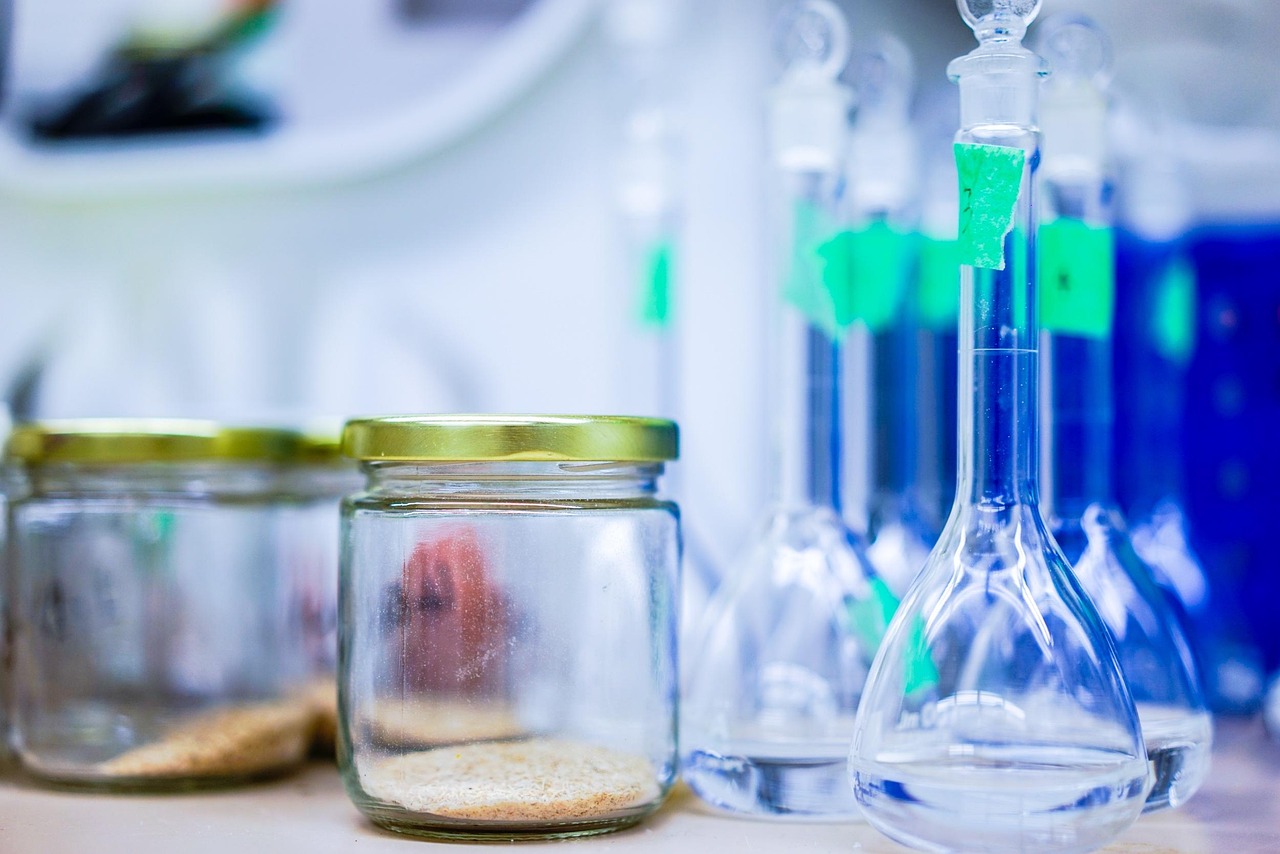
A useful buying list starts by separating general handling utensils from measuring utensils and reaction apparatus. Many purchasing mistakes happen when an item is used outside its intended function, such as using a beaker for precise volume measurement or a measuring cylinder for high-accuracy analytical preparation.
| Utensil or apparatus | Main use | Buying checks | Common limitation |
|---|---|---|---|
| Beakers | Mixing, approximate volume holding, heating liquids | Borosilicate glass, spout quality, graduation readability, wall thickness | Not for precise volume measurement |
| Erlenmeyer flasks | Swirling, titration receiving vessels, temporary solution holding | Neck size, base stability, stopper compatibility | Graduations are approximate |
| Volumetric flasks | Preparing solutions to a defined volume | Class A or B, certificate needs, stopper fit, standard temperature marking | Not suitable for direct heating |
| Graduated cylinders | Routine volume measurement | Base stability, clear scale, glass or chemical-resistant plastic | Less accurate than volumetric flasks or pipettes |
| Pipettes and burettes | Controlled liquid transfer and titration | Accuracy class, delivery type, stopcock material, calibration record | Require correct technique and cleaning |
| Test tubes and racks | Small-scale reactions, heating, observation | Heat resistance, rim quality, rack chemical compatibility | Limited volume and splash control |
| Spatulas and scoops | Solid chemical transfer | Stainless steel, PTFE, or disposable material based on chemical compatibility | Can cross-contaminate if shared carelessly |
| Tongs and clamps | Handling hot vessels and securing apparatus | Grip design, coating, jaw shape, corrosion resistance | Wrong size can increase breakage risk |
| Funnels and filter funnels | Liquid transfer and filtration | Stem length, angle, material, paper size match | Can overflow if undersized |
| Watch glasses and evaporating dishes | Covering, evaporation, small sample handling | Thermal compatibility, edge quality, size range | Not a pressure or sealed cover |
The table shows why a single starter kit rarely fits every lab. Teaching labs often need durable, replaceable utensils in multiple bench sets. Quality control labs may buy fewer items but require tighter calibration control. Research labs may need specialized joints, inert materials, and smaller-volume tools for sensitive procedures.
Choose materials by chemical compatibility and temperature
Material selection is one of the most important buying decisions because chemistry lab utensils may contact heat, solvents, acids, bases, salts, and cleaning agents. Borosilicate glass is widely used because it provides useful resistance to heat and many chemicals. ISO 3585 defines borosilicate glass 3.3 as a material type used for laboratory glassware and related glass plant applications. In practice, it is a strong default for beakers, flasks, test tubes, condensers, and many reaction vessels.
Borosilicate glass is not universal. Hydrofluoric acid attacks glass, strong alkali solutions can damage glass surfaces over time, and scratched or stressed glassware is more likely to fail under heat or vacuum. For those conditions, buyers should evaluate compatible plastics, PTFE-lined components, metal utensils, or purpose-built apparatus.
Plastic utensils are useful when breakage risk matters, especially for wash bottles, funnels, graduated cylinders, sample containers, and transfer tools. Polypropylene is common for general laboratory use, while PTFE offers broad chemical resistance for stir bars, liners, and some spatulas. The trade-offs are temperature range, solvent compatibility, dimensional stability, and sterilization method. Do not assume all plastics tolerate organic solvents, oxidizers, or high heat.
Metal utensils such as stainless-steel spatulas, forceps, rings, clamps, and tongs are durable and easy to handle. Their main risks are corrosion, sample contamination, and unwanted reaction with certain chemicals. Nickel-containing stainless steels may be unacceptable in trace metal analysis, while coated or plastic tools may be better for sensitive samples. For high-temperature handling, check whether coatings, grips, and insulation are rated for the expected conditions.
Match measurement accuracy to the procedure
Not every utensil needs high accuracy. Buying only premium volumetric ware can waste budget, but using low-accuracy utensils for analytical work creates hidden quality problems. A practical purchase list separates approximate, routine, and quantitative measurement needs.
- Approximate measurement: beakers, Erlenmeyer flasks, and many reagent bottles may have graduations, but those marks are mainly for estimation.
- Routine measurement: graduated cylinders and general pipettes are suitable where moderate precision is acceptable and the method allows it.
- Quantitative measurement: volumetric flasks, volumetric pipettes, burettes, and calibrated dispensers are used when concentration or delivered volume affects the result.
ISO 4787:2021 covers testing, calibration, and use methods for volumetric instruments made from glass and plastic, including pipettes, burettes, volumetric flasks, and graduated cylinders in the 100 microliter to 10,000 milliliter range. ASTM E694 covers general requirements for laboratory glass volumetric apparatus of Class A and Class B. These references matter because accuracy is not just a marketing label; it depends on how the utensil is made, marked, tested, used, and maintained.
For purchasing, specify Class A volumetric glassware when analytical accuracy is required, especially for standard solution preparation and formal testing methods. Class B or general-purpose volumetric ware may be acceptable for teaching, rough preparation, demonstration, or non-critical process checks. If the lab operates under ISO/IEC 17025, GMP, GLP, or internal quality systems, request certificates, serial numbers, calibration traceability, and acceptance criteria before ordering.
Safety requirements should shape the utensil list
Safe procurement is broader than the utensil itself. OSHA’s laboratory standard, 29 CFR 1910.1450, requires a Chemical Hygiene Plan for covered laboratories using hazardous chemicals. That plan addresses procedures, equipment, personal protective equipment, and work practices for protecting workers from chemical hazards. In buying terms, a lab should not purchase utensils for a procedure unless the required ventilation, shielding, PPE, spill control, and emergency equipment are also available.
Fume hoods are not chemistry lab utensils, but they directly influence which utensils can be used safely. OSHA guidance emphasizes that fume hoods and other protective equipment must function properly when used. A volatile solvent transfer kit, heated acid digestion setup, or open reaction vessel should not be evaluated separately from ventilation and exposure controls.
Emergency equipment also affects purchasing decisions. OSHA 29 CFR 1910.151(c) requires suitable quick drenching or flushing facilities where eyes or body may be exposed to injurious corrosive materials. Many facilities use ANSI/ISEA Z358.1 when specifying emergency eyewash and safety shower performance, but buyers should verify the applicable local interpretation. If a process requires corrosives, the utensil list should include compatible carriers, secondary containment, splash shields, and clearly labeled waste vessels, not only reaction glassware.
For glassware, safety checks should include chips, cracks, star marks, etched stress points, frozen joints, and poor-fitting stoppers. For heating utensils, confirm whether the item is suitable for direct flame, hot plate use, oven drying, or autoclaving. For vacuum use, select glassware designed for vacuum service, inspect it before use, and add shielding where the procedure requires it.
Build a purchasing checklist that reduces waste
A good buying process turns general needs into a controlled list. Start with the experiments or procedures performed most often, then define each utensil by function, size, material, accuracy, and quantity. This reduces duplicate inventory and prevents small missing items from delaying work.
Define the use case
Record whether the utensil is for teaching, sample preparation, titration, organic synthesis, inorganic analysis, cleaning, storage, or waste handling. The same item name may require different specifications in each setting. A 250 mL beaker for a classroom demonstration may not need the same documentation as a volumetric flask used for preparing a certified calibration solution. See also: Storage Systems.
Specify sizes and quantities realistically
Buy a limited range of sizes that match common work volumes. Too many sizes increase storage and cleaning burden. Too few sizes lead users to overfill vessels, increase splash risk, or heat liquids inefficiently. For shared labs, calculate bench sets and breakage allowance separately from reserve inventory.
Check compatibility before price
A low unit cost is not a saving if the utensil reacts with the chemical, cracks during heating, or fails during cleaning. Record contact chemicals, expected temperature, pressure or vacuum exposure, cleaning method, and disposal pathway. Ask suppliers for material data where compatibility is uncertain.
Control standardization
Standardizing neck sizes, ground joints, stopper types, clamp sizes, and rack dimensions saves time. Mixed, incompatible accessories create workarounds, and workarounds increase risk. This is especially important for condensers, separatory funnels, filter setups, burettes, and reaction flasks.
Plan labeling and storage
Utensils should have a defined storage location and labeling approach before they arrive. Separate general glassware from calibrated volumetric ware. Keep corrosive-compatible tools near corrosive handling areas only if storage conditions are safe. Provide broken-glass containers and disposal labels where glass utensils are used.
Maintenance and replacement are part of the buying decision
Cleaning, inspection, and replacement costs can exceed the initial purchase price over time. Before buying, decide whether utensils will be manually cleaned, machine washed, acid washed, solvent rinsed, oven dried, autoclaved, or disposed of after use. Not every material tolerates every cleaning method.
Volumetric glassware needs special care. Heating, harsh abrasion, chipped rims, and residue films can affect performance or usability. Calibrated items should not be treated like general beakers. Store them separately, avoid unnecessary heat, and establish a review schedule based on the lab’s quality requirements. If the laboratory uses formal methods, the method or quality system should determine calibration intervals and acceptance checks.
Routine utensils also need replacement rules. Replace glassware with cracks, deep scratches, damaged lips, or unreadable markings. Replace tongs with poor grip alignment, corroded joints, or degraded insulation. Replace plastic wash bottles and funnels if they discolor, swell, embrittle, or retain incompatible residues. The lowest-risk inventory system is one in which users know when an item is acceptable, when it must be cleaned, and when it must be removed from service.
A practical starter list by lab type
The exact list should be method-driven, but the following framework helps buyers avoid under-ordering basics or over-ordering specialty utensils.
Teaching chemistry lab
- Durable beakers, Erlenmeyer flasks, test tubes, racks, funnels, stirring rods, watch glasses, and wash bottles.
- Graduated cylinders and a limited number of volumetric flasks for measurement training.
- Tongs, clamps, ring stands, heat-resistant pads, and splash protection matched to experiments.
- Clearly labeled waste containers, broken-glass containers, and cleaning tools.
Quality control or analytical lab
- Class A volumetric flasks, pipettes, burettes, and calibrated dispensers where methods require them.
- Dedicated utensils for standards, samples, acids, solvents, and trace-level work to reduce contamination.
- Documentation-ready procurement records, certificates, and calibration or verification schedules.
- Storage that separates calibrated ware from general-purpose utensils.
Research and synthesis lab
- Borosilicate reaction flasks, condensers, addition funnels, adapters, clamps, and compatible ground joints.
- Special materials such as PTFE, stainless steel, or coated tools for reactive or contamination-sensitive work.
- Vacuum-rated apparatus and shielding where reduced pressure is used.
- Procedure-specific accessories rather than broad, unused starter kits.
Frequently asked questions
What are the most essential chemistry lab utensils?
The essentials usually include beakers, Erlenmeyer flasks, test tubes, racks, funnels, stirring rods, spatulas, tongs, wash bottles, graduated cylinders, pipettes, and appropriate storage or waste containers. Labs doing quantitative work also need volumetric flasks, burettes, and calibrated transfer tools.
Are beakers accurate enough for measuring liquids?
Beakers are useful for approximate volume estimates, mixing, and heating, but they are not the right choice for accurate volume measurement. Use graduated cylinders for routine measurement and volumetric flasks or pipettes for quantitative preparation and analysis.
Should a lab buy glass or plastic utensils?
Glass is often preferred for heat resistance, visibility, and broad chemical use, especially borosilicate glass. Plastic is useful where lower breakage risk is important and for some chemical handling tasks. The right choice depends on solvent compatibility, temperature, cleaning method, accuracy needs, and contamination risk.
What does Class A glassware mean?
Class A indicates a tighter accuracy class for volumetric glassware under applicable standards. It is typically chosen for analytical procedures where volume error affects results. Buyers should check the relevant standard, certificate, and calibration requirements rather than relying on the label alone.
How often should lab utensils be replaced?
Replace utensils when damage, contamination, unreadable markings, corrosion, poor fit, or quality system rules make them unsuitable. Calibrated volumetric ware may require scheduled verification, while general utensils are often replaced based on inspection and use conditions.
Final buying advice
The best chemistry lab utensils are not simply the most expensive items or the largest set. They are the items that match the lab’s procedures, chemicals, temperatures, accuracy requirements, safety controls, and maintenance capacity. Build the list from actual work, specify material and accuracy clearly, separate calibrated ware from general utensils, and check safety requirements before approving any procedure-dependent item. That approach supports a leaner inventory and a safer, more reliable laboratory.