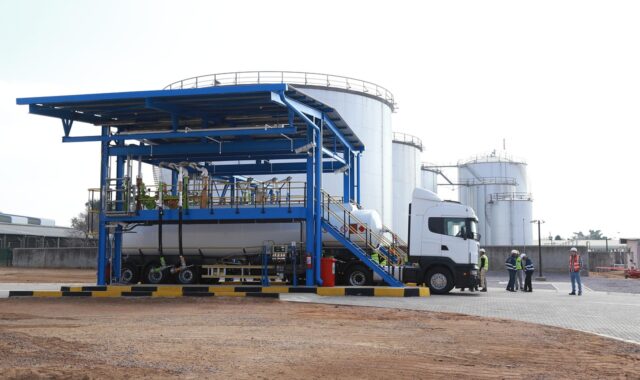
Silo storage design factors for bulk solids in chemical plants
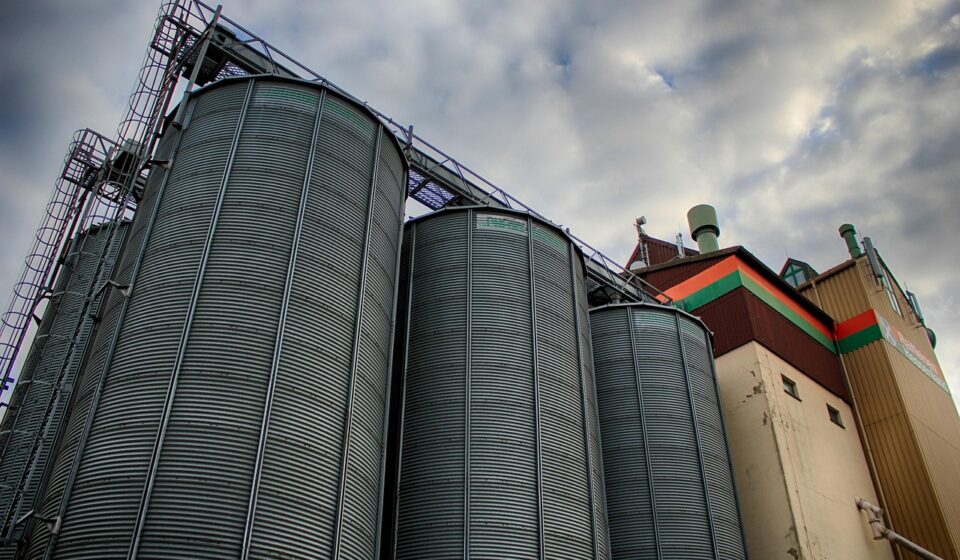
What silo storage is meant to solve
Silo storage is used when a plant needs controlled vertical storage for dry bulk solids such as cement, lime, plastic resin, fertilizer, carbon black, starch, minerals, catalysts or powdered chemicals. A well-specified silo does more than hold material. It protects product quality, buffers upstream and downstream process variations, reduces manual handling, and helps feed conveyors, mixers, reactors, packaging lines or truck loading systems at a predictable rate.
A poorly specified silo can create the opposite result: unstable discharge, dust releases, caking, segregation, unsafe entry conditions and production interruptions. For chemical and process plants, the main question is not only how many cubic meters are required. The silo, hopper, discharge device, venting, instrumentation and safety measures must also match the material being stored.
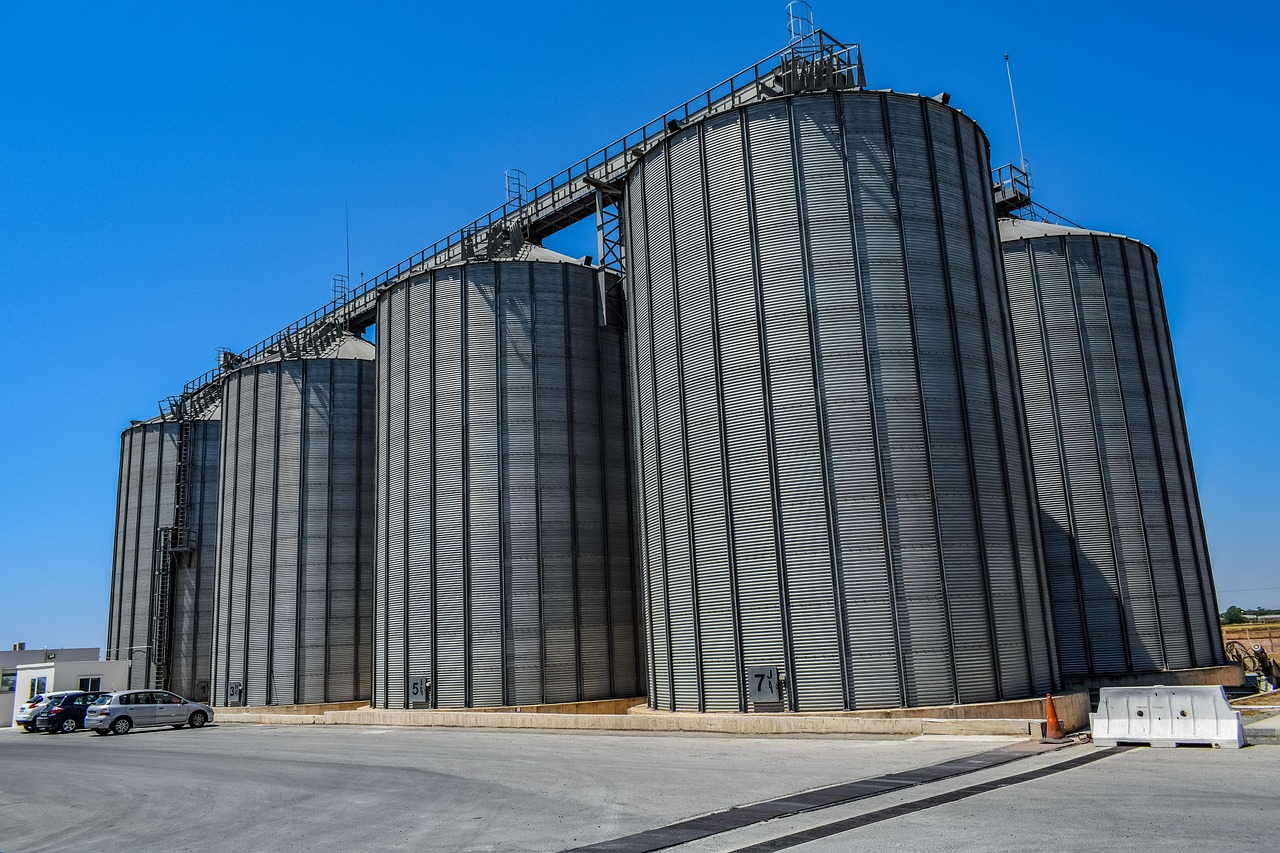
This article focuses on practical design and operating factors for silo storage in bulk solids service. It is intended as an engineering overview for readers comparing equipment concepts within Storage Systems, not as a substitute for site-specific design, code review or hazard analysis.
Start with the material, not the vessel
Many silo problems begin when the vessel is selected before the powder or granule is properly characterized. Bulk solids are not like water. Two materials with similar names can behave very differently depending on particle size distribution, moisture content, temperature, aeration, storage time and handling history. A dry, free-flowing pellet may discharge through a steep hopper with little assistance. A fine cohesive powder can arch over the outlet or form a stable rathole even in a large silo.
At minimum, a specification should identify the normal and maximum bulk density, particle size distribution, moisture range, temperature range, angle of repose, wall friction, compressibility and tendency to cake. For hazardous or combustible materials, the data set should also include relevant safety properties such as explosibility, minimum ignition energy, electrostatic behavior, toxicity, reactivity and compatibility with construction materials. If the material can absorb moisture, degrade, oxidize or agglomerate during storage, residence time becomes a design parameter, not only an inventory target.
Independent bulk solids testing is often justified for powders that are cohesive, abrasive, hygroscopic, heat sensitive or new to the plant. Flow testing can support decisions on hopper angle, outlet size and wall liners. Without this information, engineers may have to rely too heavily on rules of thumb that work for one product but fail for another.
Capacity planning should include usable volume and operating rhythm
The apparent volume of a silo is not the same as its practical operating capacity. Design teams should account for material bulk density, fill angle, hopper geometry, minimum heel, level instrument locations, venting constraints and whether the site needs room for a full truck, railcar, big bag campaign or upstream production batch. A nominally large vessel can still create logistics problems if usable capacity does not match receiving schedules or process consumption.
For continuous plants, capacity is usually based on demand rate, supply reliability and acceptable safety stock. For batch plants, a better starting point may be campaign size, cleaning frequency and the risk of cross-contamination. Seasonal raw materials, imported minerals and commodity chemicals with long delivery lead times may justify larger inventory buffers. Materials with a short safe storage period, by contrast, may require smaller silos, more frequent turnover or first-in first-out flow behavior.
| Specification question | Why it matters | What to verify |
|---|---|---|
| What is the required usable capacity? | Prevents under-sizing based only on gross shell volume. | Daily consumption, delivery lot size, bulk density and minimum heel. |
| How long can the material remain stored? | Limits caking, spoilage, oxidation or quality drift. | Maximum residence time, moisture sensitivity and temperature limits. |
| What discharge rate is required? | Determines outlet, feeder and downstream conveyor sizing. | Peak rate, average rate and turndown requirements. |
| Can the product segregate? | Affects blend consistency and downstream process quality. | Particle size spread, filling method and flow pattern. |
| Is the dust combustible or toxic? | Drives venting, containment, housekeeping and worker protection. | Dust test data, exposure limits and applicable standards. |
| How will the silo be cleaned? | Controls downtime and entry risk. | Access points, isolation, cleaning method and confined-space procedure. |
Flow pattern is a core design decision
In bulk solids handling, the two flow patterns most often discussed are mass flow and funnel flow. In mass flow, the material is intended to move along the silo walls during discharge, so the contents progress more uniformly toward the outlet. In funnel flow, a central channel empties while material near the walls can remain stagnant. AIChE and other bulk solids references commonly describe mass flow as more uniform, while warning that funnel flow can contribute to erratic discharge, segregation, ratholing, caking or stale material in dead zones.
Mass flow is often preferred when product consistency, first-in first-out behavior, limited residence time or reduced stagnant inventory is important. It usually requires a hopper angle, outlet size and wall finish matched to the measured properties of the stored solid. Funnel flow may be acceptable for coarse, free-flowing, non-degrading materials where simplicity and lower structural height are priorities. It can also provide some buffering of wall pressure in certain applications, but it should be selected deliberately, not accepted by default.
Common flow failures
Bridging occurs when material forms a stable arch above the outlet and stops discharge. Ratholing occurs when flow continues through a narrow channel while surrounding material remains in place. Segregation can occur during filling, storage or discharge when particles separate by size, density or shape. Flooding may occur when a fine powder becomes aerated and behaves more fluid-like than expected.
Each failure mode has different causes, so adding a vibrator or air pad is not always the correct fix. In some cases, these devices can worsen segregation, compact material or increase dust suspension if they are used without proper evaluation.
Safety and regulatory context for silo storage
Silo storage can involve structural, mechanical, dust, fire, explosion, confined-space and exposure hazards. The applicable rules depend on the country, jurisdiction, material and industry. In the United States, OSHA addresses grain handling facilities in 29 CFR 1910.272, including hazards related to grain dust fires and explosions and employee entry into bins, silos and tanks. The grain standard is not a universal chemical silo rule, but it illustrates issues that are relevant across bulk solids storage: housekeeping, emergency planning, hot work control, preventive maintenance, safe bin entry and avoiding entry under bridging conditions.
Combustible dust is a broader concern beyond grain. OSHA revised its Combustible Dust National Emphasis Program in January 2023 to continue inspections of facilities that generate or handle combustible dusts capable of fire, flash fire, deflagration or explosion hazards. OSHA materials note that finely divided combustible material can become explosible when suspended in air at the right concentration under suitable conditions. Chemical plants handling organic powders, plastic dusts, sulfur, metal powders, resins or other combustible particulates should not assume that silo storage is low risk simply because the material is not a liquid fuel.
NFPA 660, the Standard for Combustible Dusts and Particulate Solids, has consolidated several earlier NFPA combustible-dust documents, including standards historically used for agricultural, chemical, metal, sulfur and wood-related dust hazards. In practice, facilities often use NFPA guidance, dust hazard analysis, manufacturer documentation and local code requirements together. The key point is straightforward: explosion protection, deflagration venting, suppression, isolation, grounding, bonding and dust collection should be engineered from material hazard data and site layout, not added late as accessories.
Structural, environmental and instrumentation details matter
For process plants, silo structure must account for vertical loads, eccentric flow, wind, seismic conditions, thermal expansion, access platforms, roof equipment and dynamic loads from filling or discharge. Foundation and support design should be handled by qualified engineers using the governing local codes. Silo shell material is commonly selected from carbon steel, stainless steel, aluminum, reinforced concrete or specialized lined construction, depending on strength, corrosion resistance, contamination risk, cleaning requirements and economics. See also: Pumps and Valves.
Environmental control is closely connected with filling and venting. Pneumatic filling can displace large volumes of air and dust, requiring properly sized filters, vents or dust collectors. If the product is moisture sensitive, the system may need dry air, sealed connections, desiccant breathers or nitrogen blanketing where justified by the hazard analysis. Outdoor silos may need insulation, heat tracing or sun-load evaluation if temperature swings affect flow or product quality.
Instrumentation should be treated as part of the storage system, not a minor add-on. Common devices include continuous level radar, guided wave radar, load cells, rotary paddle point-level switches, vibrating fork switches, pressure sensors, temperature monitoring and filter differential pressure instruments. A high-level alarm can help prevent overfilling, but critical applications may need independent high-high protection and a defined response in the control system. For combustible or hazardous dust, instrument selection must also consider the electrical area classification and enclosure requirements.
Operation and maintenance decide long-term performance
Even a well-designed silo can fail if operating practices are inconsistent. Filling rates, aeration settings, feeder speed, vibration use and cleaning intervals should be documented. Operators should understand the signs of flow restriction: irregular feeder draw, sudden level changes, unusual vibration, dust leakage, changing motor load or repeated need for manual intervention. A recurring blockage should trigger an engineering review rather than become accepted routine.
Maintenance programs should cover roof vents, filters, pressure relief devices, feeders, valves, screw conveyors, rotary valves, access doors, gaskets, level sensors, grounding connections, structural corrosion, wear liners and support steel. OSHA grain-handling guidance specifically emphasizes scheduled inspections of mechanical and safety control equipment in covered facilities, and the same maintenance logic applies to chemical and mineral silos even where a different regulation governs the site.
Manual entry into a silo should be avoided whenever practical. When entry is unavoidable, the work may involve confined-space hazards, engulfment, hazardous atmosphere, moving equipment and stored-energy risks. The site procedure should address isolation, lockout, atmospheric testing, rescue planning, attendant duties, communication and prevention of material collapse. No production schedule should depend on workers entering a silo to break material loose.
How to compare silo storage options
When comparing silo storage concepts, the lowest purchase price can be misleading. A small difference in hopper geometry, outlet size, surface finish or discharge equipment can determine whether the silo runs reliably for years or becomes a recurring bottleneck. A practical comparison should include installed cost, structural work, dust collection, explosion protection, instrumentation, cleaning access, spare parts, energy use, maintenance labor and downtime risk.
For many plants, the best option is not the largest silo or the most complex discharge system. It is the configuration that matches the material behavior, inventory strategy, safety requirements and downstream process. If material data are incomplete, the responsible choice is to test before finalizing the design. If the dust hazard is uncertain, the responsible choice is to evaluate it before the layout is frozen. If operators repeatedly fight bridging, ratholing or dust leakage, the system is showing that the original design assumptions need review.
Frequently asked questions
Is silo storage suitable for all powders?
No. Some powders are too cohesive, hygroscopic, reactive, explosive, abrasive or contamination-sensitive for a simple standard silo. They may still be stored in silos, but the design may require testing, special materials, controlled atmosphere, mass-flow geometry, agitation, conditioning or alternative packaging.
What is the difference between a silo and a hopper?
Industry usage varies. A silo usually refers to a larger vertical storage vessel, while a hopper often refers to the sloped discharge section or a smaller storage bin. In engineering discussions, the important point is not the name but whether the storage volume and discharge geometry support reliable flow.
How large should a silo be?
Capacity should be based on usable volume, bulk density, delivery size, process consumption, safety stock and allowable residence time. Gross volume alone is not enough because the hopper, fill profile, minimum heel and operating limits reduce practical capacity.
Do chemical silos need explosion protection?
Some do and some do not. The answer depends on whether the dust is combustible or explosible, how it is handled, whether dust clouds can form, ignition sources, confinement and applicable codes. A dust hazard analysis and qualified engineering review are the proper basis for decisions.
What causes bridging in silo storage?
Bridging is usually linked to cohesive strength, moisture, consolidation pressure, poor outlet sizing, unsuitable hopper geometry or product caking during storage. Increasing vibration or aeration may help in limited cases, but it can also create new problems if the root cause is not understood.