Multi process welding machine guide for process equipment fabrication
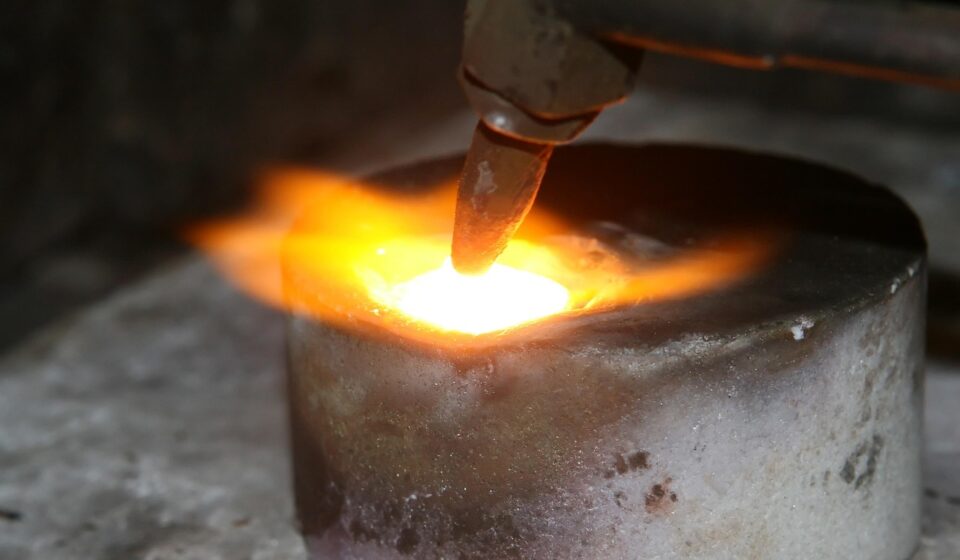
A multi process welding machine can be useful in process equipment shops that move between fabrication, repair, stainless work, structural attachments, skid assembly, and field maintenance. Its value is not just that one power source can run MIG, TIG, stick, and often flux-cored welding. The real issue is whether the machine supports the welding procedures, amperage range, duty cycle, accessories, and safety controls required for the work. For chemical and process equipment applications, the better buying decision is usually process-first rather than brand-first: confirm the weld process, material, thickness, qualification requirements, and work environment before comparing machine features.
This guide explains how to evaluate multiprocess welders for industrial process equipment work without treating them as a universal replacement for dedicated welding systems.
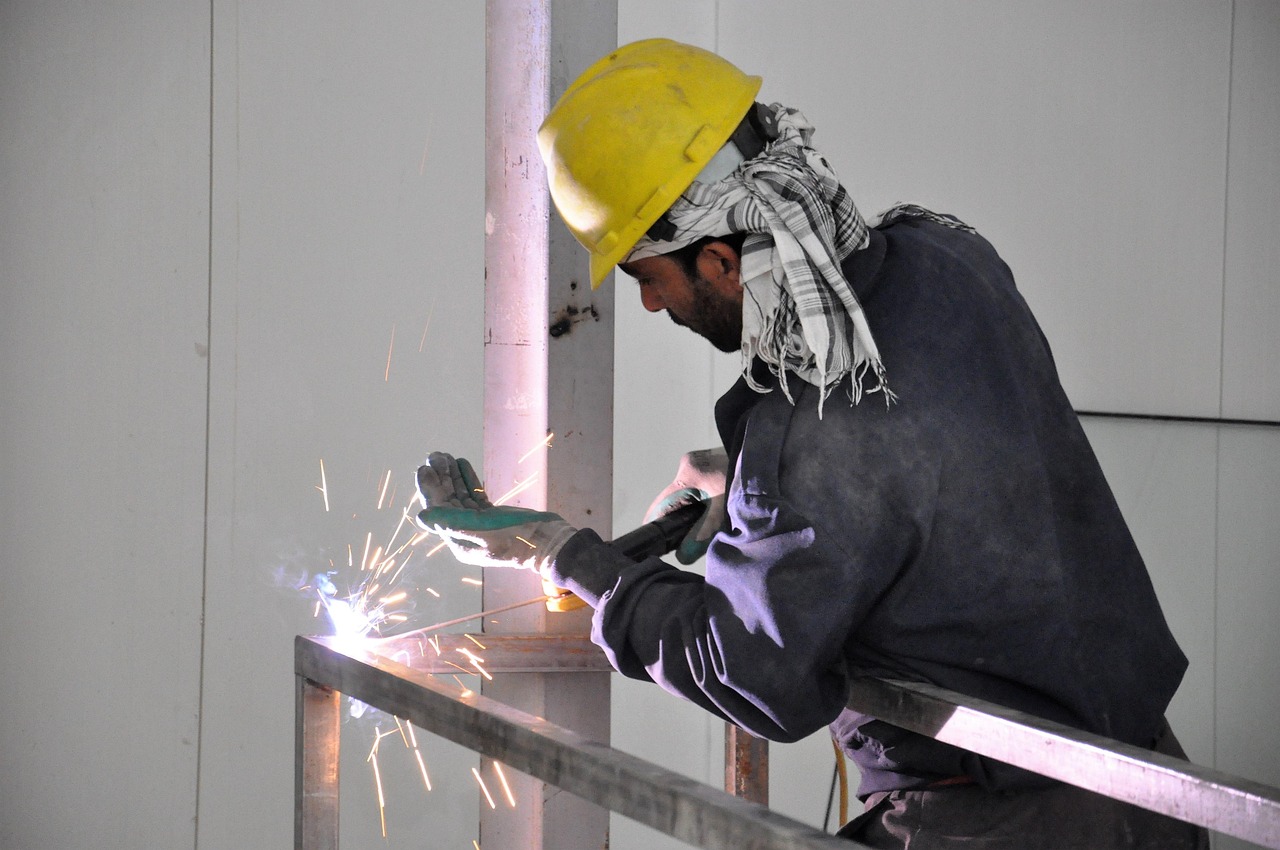
What a multi process welding machine actually combines
A multiprocess welder is one welding power source designed to support more than one arc welding process. In the industrial market, that commonly means some combination of GMAW, GTAW, SMAW, and FCAW. In everyday shop language, those processes are usually called MIG, TIG, stick, and flux-cored welding.
The important point is that these processes do not all use the same electrical behavior or accessories. MIG and many flux-cored applications generally need constant-voltage output and wire feeding. Stick and TIG generally use constant-current output. A capable multiprocess machine therefore has to do more than show several process labels on the front panel. It must provide the right output mode, control range, connectors, gas control, torch compatibility, wire-feed support, and arc characteristics for each process.
For readers following broader fabrication and plant equipment topics, related articles are grouped under Process Equipment.
Why process equipment shops consider multiprocess welders
Process equipment work often involves mixed tasks rather than one repeated weld all day. A shop may fabricate support frames, repair a stainless bracket, tack components during fit-up, and later handle maintenance on a skid or auxiliary structure after installation. In that setting, the appeal of a multiprocess machine is practical: it can reduce the number of power sources in the area and give a small fabrication or maintenance team more flexibility.
Common use cases include:
- Maintenance repair: Stick welding can be useful where surfaces are less ideal or where portability matters.
- General fabrication: MIG or flux-cored welding can support faster deposition on carbon steel frames, platforms, guards, and non-pressure attachments.
- Stainless and thin components: TIG can provide better heat control for small parts, tubing, and clean visible welds when the machine has suitable TIG functions.
- Site work: A compact machine may reduce equipment transport if the available input power and duty cycle match the job.
These benefits are strongest in low-to-medium volume environments where versatility is more valuable than maximum continuous output. They are weaker on production lines that run one process all day, especially where the line needs automation, high deposition rates, water-cooled torches, remote feeders, or redundancy.
The process match matters more than the number of modes
The phrase “3-in-1” or “4-in-1” can be misleading if it hides process limitations. A machine may technically support TIG but only offer DC lift-start TIG, which is very different from an AC/DC TIG system with high-frequency start and advanced balance controls. Another unit may advertise flux-cored capability but require a specific polarity setup, drive-roll size, and gun arrangement that is not included in the package.
| Process | Typical role in process equipment work | Machine requirements to check |
|---|---|---|
| GMAW / MIG | Carbon steel fabrication, frames, brackets, guards, skids, and general shop welding | Constant-voltage output, stable wire feed, correct gas setup, drive-roll support, voltage and wire-speed control |
| FCAW | Heavier carbon steel work, outdoor repair where self-shielded wire may be specified, higher deposition work | Correct polarity, wire-feed capacity, suitable gun, adequate duty cycle, fume control planning |
| SMAW / stick | Field repair, maintenance, fit-up work, and areas where portability is important | Constant-current output, open-circuit voltage range, hot start, arc force, electrode compatibility |
| GTAW / TIG | Stainless components, small fittings, thin sections, clean repair work, controlled heat input applications | Constant-current output, lift or high-frequency start, gas solenoid, foot pedal or remote support, AC capability if aluminum is required |
For pressure-retaining components, sanitary connections, coded piping, or critical alloy work, the welding procedure specification should drive the equipment decision. A multiprocess welder does not make a weld acceptable by itself. Procedure qualification, welder qualification, filler metal control, inspection, preheat or interpass limits, shielding gas, and documentation may still be required depending on the governing code and project specification.
Duty cycle is a production limit, not a footnote
Duty cycle is one of the most important specifications for industrial buyers. It is commonly stated as the percentage of a 10-minute period that a machine can weld at a specified output before it must cool. For example, a 40% duty cycle at a stated amperage means about four minutes of welding in a 10-minute window under the manufacturer’s rating conditions.
When comparing machines, do not compare duty-cycle percentages in isolation. Check amperage, voltage, input power, ambient rating assumptions, and process mode at the same time. A welder rated 60% at a lower output may not outperform another machine rated 40% at a much higher output. Likewise, a machine that is adequate for short TIG repair may be undersized for long flux-cored welds on thicker support steel.
For process equipment fabrication, the practical questions are:
- What amperage is required for the material thickness and welding procedure?
- How long are the welds, and how much arc-on time is expected per hour?
- Will the operator run near maximum output or in the middle of the machine range?
- Does the shop need one machine to support multiple operators or long shifts?
- What happens if the thermal overload trips during a repair window or shutdown job?
For occasional repair, a moderate duty cycle may be acceptable. For repeated production welds, it can become a bottleneck. In that case, a larger dedicated power source may be more economical than stopping work while a compact multiprocess unit cools.
Power input and plant conditions can decide the purchase
A multiprocess welder must match the electrical supply available in the shop or at the job site. Light industrial machines often advertise dual-voltage input, while larger systems may require higher-capacity single-phase or three-phase service. The nameplate, manual, and electrical installation instructions should be reviewed before purchase, not after delivery.
Key checks include input voltage, breaker and conductor requirements, plug type, generator compatibility, extension-cord limits, grounding requirements, and whether the machine derates on lower input voltage. A unit that performs well on a full industrial supply may have reduced output on a lower-voltage circuit. That difference matters when welding thicker carbon steel or running wire processes for longer periods.
Plant environment also matters. Dust, grinding particles, humidity, corrosive vapors, and rough handling can shorten equipment life. If the welder will be used around chemical process equipment, buyers should consider enclosure protection, cooling-air paths, storage conditions, and how the unit will be isolated from washdown or corrosive areas. The welding machine should not be treated as process-area equipment unless it is specifically suitable for that environment and the site safety team approves its use. See also: Storage Systems.
Safety and compliance checks before use
Welding around process equipment is not only an equipment-selection issue. It can involve hot work controls, fire watch requirements, gas cylinder handling, fume exposure, confined-space rules, and energy isolation. OSHA’s welding, cutting, and brazing requirements for general industry are organized under 29 CFR 1910 Subpart Q, and construction activities may involve separate OSHA construction provisions. Employers still need to apply the regulations and site procedures that match the work location and task.
Before using a multiprocess welder in a plant, the checklist should include:
- Hot work permit requirements and combustible material controls
- Ventilation or local exhaust for welding fumes and shielding gases
- Fire watch, spark containment, and post-work monitoring where required
- Verification that vessels, lines, or equipment are cleaned, isolated, and safe for hot work
- Correct personal protective equipment for arc radiation, spatter, fumes, and noise
- Gas cylinder storage, regulators, hoses, and leak checks
- Electrical safety, grounding, cable condition, and dry working surfaces
A multiprocess machine can make work more flexible, but it can also encourage quick process changes. That convenience should not bypass procedure control. Changing from MIG to TIG or stick may also change filler metal, shielding, fume profile, polarity, arc characteristics, and inspection expectations.
When a dedicated welder is still the better option
The strongest argument for a dedicated machine is repeatability under a narrow, demanding workload. If a shop mainly performs one process on similar materials every day, a specialized power source may offer better ergonomics, higher duty cycle, simpler operator training, and more process-specific controls. Dedicated TIG machines, for example, may provide advanced AC waveforms and precise start control that basic multiprocess TIG modes do not offer. Dedicated MIG systems may pair more easily with industrial feeders, larger wire packages, push-pull guns, and automation.
A multiprocess machine is usually a better fit when the work is varied, floor space is limited, and the buyer understands the compromises. A dedicated setup is usually better when output, uptime, code-driven repeatability, and operator specialization matter more than flexibility.
| Buying situation | Better fit | Reason |
|---|---|---|
| Mixed maintenance tasks across several processes | Multi process welding machine | Reduces equipment count and supports flexible repair work |
| High-volume MIG fabrication on similar parts | Dedicated MIG system | Higher productivity, feeder options, and easier standardization |
| Precision stainless TIG work with strict heat control | Dedicated TIG or advanced multiprocess unit | Requires better start control, remote control, and gas management |
| Shutdown repair with unknown site power | Portable multiprocess unit, if properly rated | Useful only if input power and duty cycle are confirmed before mobilization |
| Critical code work under a qualified procedure | Procedure-dependent | The WPS, qualification records, and inspection plan should decide the equipment |
A practical selection framework
Instead of starting with price or advertised process count, buyers can use a structured review. This approach is especially useful for process equipment fabricators, repair teams, and maintenance departments that need to document why a machine is suitable.
- List the real weld processes. Identify whether the work requires GMAW, FCAW, SMAW, GTAW, or a combination. Do not pay for modes that will not be used, and do not assume a mode is fully featured.
- Confirm material and thickness range. Carbon steel frames, stainless sheet, aluminum guards, and alloy piping may need very different capabilities.
- Check procedure requirements. For qualified work, confirm that the machine can support the current, voltage, polarity, shielding gas, and filler metal required by the WPS.
- Compare duty cycle at the required output. Use the amperage and voltage you expect to run, not only the headline maximum rating.
- Review accessories. Include torch, gun, electrode holder, work clamp, gas hose, regulator, drive rolls, liner, foot pedal, spool gun, and remote controls where needed.
- Assess serviceability. Consider availability of consumables, repair support, manuals, calibration or verification needs, and downtime risk.
- Plan safe use. Include hot work controls, ventilation, electrical setup, and operator training before the first job.
For many shops, the right answer is not one machine or the other. A small multiprocess welder can support repair and fit-up, while dedicated systems handle repeated production work. That split can preserve flexibility without forcing a compact machine into continuous service it was not designed to handle.
Frequently asked questions
Is a multi process welding machine suitable for chemical process equipment?
It can be suitable for support fabrication, maintenance, and some qualified welds if the machine matches the required welding procedure and site controls. For pressure-retaining or code-governed components, suitability depends on the WPS, welder qualification, inspection requirements, and project specification rather than the machine label alone.
Can one multiprocess welder replace separate MIG, TIG, and stick machines?
Sometimes, but not always. It may replace several machines in a maintenance area or small fabrication shop with varied work. It is less likely to replace dedicated systems in high-duty-cycle production, precision TIG work, automated welding, or applications that need specialized controls.
What is the most common mistake when buying a multiprocess welder?
The most common mistake is comparing the number of processes instead of the real capability of each process. Buyers should check duty cycle, TIG start type, AC versus DC TIG, wire-feed quality, polarity changes, accessory compatibility, and available input power.
Does a multiprocess welder make welding procedure qualification unnecessary?
No. The machine is only one part of the welding system. Procedure qualification, welder qualification, filler metal control, shielding gas, heat input, inspection, and documentation may still be required for regulated or customer-specified work.
Should a process equipment shop choose portability or duty cycle first?
Choose based on the job pattern. Portability is valuable for field repair and shutdown work. Duty cycle is more important when welds are long, output is high, or the machine will be used repeatedly through a shift. If both are required, the shop may need a larger portable unit or separate machines for field and production work.
Bottom line
A multi process welding machine is a flexible tool, not a shortcut around welding engineering. It can improve maintenance response and reduce equipment clutter when the workload changes frequently. For process equipment fabrication, however, the decision should be based on process requirements, duty cycle, input power, accessories, safety controls, and the applicable welding procedure. If those checks support the purchase, a multiprocess unit can be a practical addition to the shop. If the work is continuous, specialized, or code-critical, a dedicated welding system may still deliver better consistency and lower operational risk.