List of chemistry laboratory apparatus and uses for safer lab setup
A practical list of chemistry laboratory apparatus should connect each item to the work it supports: measuring, heating, separating, transferring, containing, supporting, observing, or protecting people from chemical exposure. This guide groups common chemistry lab apparatus by function, explains typical uses, and highlights selection factors such as material compatibility, measurement accuracy, heat resistance, cleaning, storage, and safety controls. It is written for buyers, lab planners, teachers, and technicians preparing to build or update a small chemistry laboratory. For more purchasing and equipment planning articles, visit our Buying Guides section.
How to read a chemistry apparatus list
Chemistry laboratories vary widely. A secondary school teaching lab, a university research lab, a quality control room, and a pilot-scale process lab may all use glassware and balances, but they do not need the same quantities, grades, or safety systems. Before purchasing equipment, define the experiments, chemicals, temperature range, sample volume, and required measurement uncertainty.
It also helps to separate apparatus from consumables. Apparatus generally refers to reusable equipment such as beakers, burettes, clamps, balances, hot plates, condensers, funnels, and fume hoods. Consumables include filter paper, gloves, weighing boats, pipette tips, labels, and many single-use containers. Some items fall between the two categories. For example, glass Pasteur pipettes may be reusable in some settings and disposable in others.
Safety should be built into the list, not added at the end. OSHA’s Laboratory standard, 29 CFR 1910.1450, applies to employers engaged in laboratory use of hazardous chemicals and requires employee information, training, and a Chemical Hygiene Plan where applicable. OSHA also notes that the standard was created specifically for non-production laboratories. The NIOSH hierarchy of controls places elimination, substitution, and engineering controls ahead of administrative controls and personal protective equipment. In equipment planning, this means a fume hood, splash shield, closed container, or compatible transfer device can be more important than simply buying additional PPE.
Measuring and volume apparatus
Measurement apparatus is central to chemistry because most procedures depend on mass, volume, temperature, pH, or time. NIST describes the International System of Units as the international standard for measurement, and chemistry labs commonly report mass, volume, temperature, concentration, and pressure using SI units or accepted related units. For buying decisions, the key question is not only “What does it measure?” but also “How accurate does the measurement need to be?”
| Apparatus | Main use | Buying note |
|---|---|---|
| Analytical balance | Accurate weighing of reagents and samples | Choose readability and capacity based on sample size; plan for calibration and draft protection. |
| Top-loading balance | Routine weighing where ultra-fine readability is not required | Useful for teaching, preparation, and general bench work. |
| Graduated cylinder | Measuring liquid volume with moderate accuracy | Glass offers chemical and heat resistance; plastic reduces breakage risk. |
| Volumetric flask | Preparing solutions to a fixed volume | Select Class A or equivalent tolerance when accurate solution preparation matters. |
| Burette | Delivering measured liquid volumes in titration | Check stopcock material, scale readability, and chemical compatibility. |
| Volumetric pipette | Transferring one precise volume | Best for fixed-volume analytical work. |
| Micropipette | Transferring microliter volumes | Requires compatible tips and routine performance checks. |
| Thermometer or temperature probe | Monitoring reaction, bath, or sample temperature | Choose range, response time, and chemical protection for the application. |
| pH meter | Measuring acidity or alkalinity | Requires appropriate electrode storage, calibration buffers, and maintenance. |
For basic teaching or demonstration work, graduated cylinders and general-purpose balances may be sufficient. For analytical chemistry, volumetric flasks, pipettes, burettes, and analytical balances become essential. Beakers should not be used as precision measuring tools; their graduations are generally intended for approximate volume checks, not quantitative analysis.
Glassware and containers for reactions
Glassware is often the most visible part of a chemistry lab. Borosilicate glass is commonly selected for general laboratory use because it tolerates many chemicals and temperature changes better than ordinary soda-lime glass. However, no glass type is universal. Hydrofluoric acid, strong alkaline solutions at high temperature, pressure buildup, and mechanical shock can all create hazards.
| Apparatus | Main use | Practical note |
|---|---|---|
| Beaker | Mixing, holding, heating, and rough volume estimation | Versatile but not a precision measuring vessel. |
| Erlenmeyer flask | Swirling, mixing, titration receiving, and temporary storage | Narrow neck helps reduce splashing during swirling. |
| Round-bottom flask | Heating reactions, reflux, and distillation setups | Requires proper support, heating mantle, or bath. |
| Florence flask | Boiling and heating liquids | Useful where even heating is desired. |
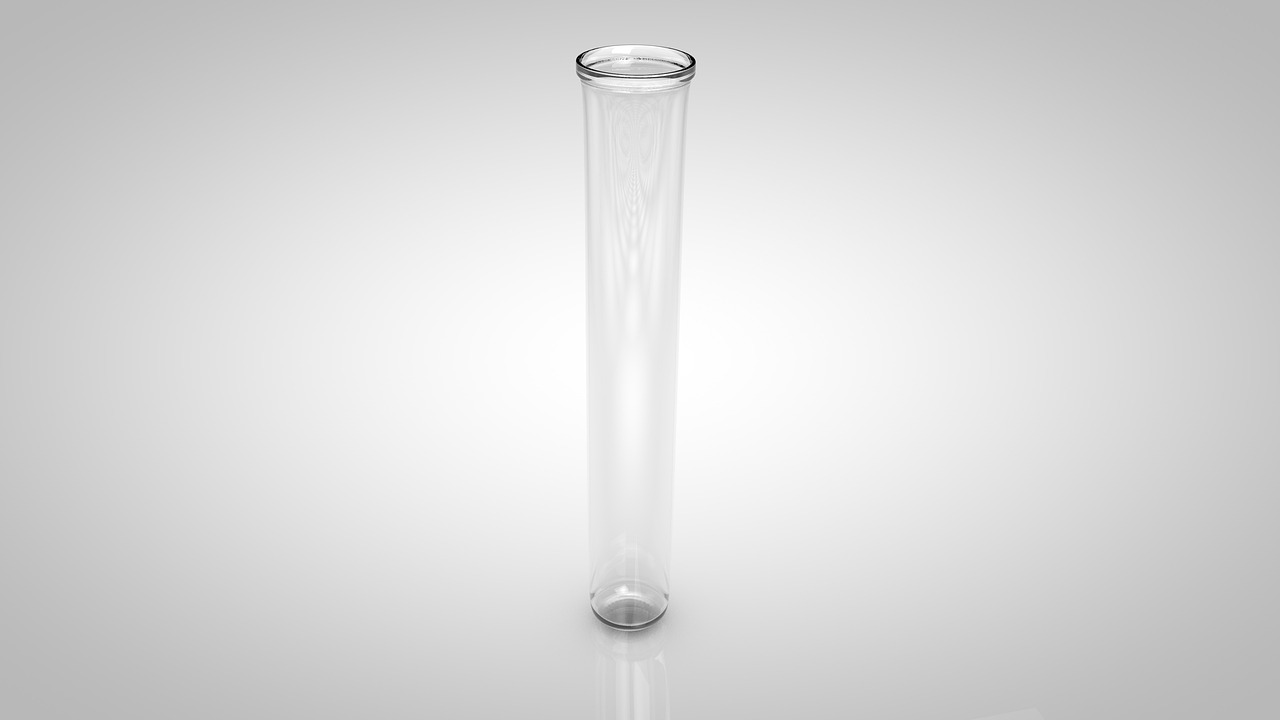
| Test tube | Small-scale reactions and observations | Use racks and holders to reduce burn and spill risk. |
| Watch glass | Evaporation, sample covering, and small solid handling | Not designed as a sealed cover. |
| Reagent bottle | Storage of prepared solutions or chemicals | Label clearly and choose glass or plastic based on compatibility. |
| Crucible | Heating solids to high temperature | Material may be porcelain, quartz, nickel, or platinum depending on chemistry. |
When planning a purchase, match glassware to the operating condition. A round-bottom flask is better for uniform heating than a flat-bottom container, but it needs clamps or a ring stand. A reagent bottle is not automatically suitable for pressure, vacuum, light-sensitive chemicals, or long-term storage. Labels should include chemical identity, concentration where relevant, hazard information, preparer, and date according to the lab’s internal procedures.
Heating, cooling, and temperature control apparatus
Many chemistry procedures need controlled heating or cooling. The main buying issue is control, not just maximum temperature. Open flames may still appear in some teaching labs, but modern laboratories often prefer electric hot plates, heating mantles, oil baths, water baths, sand baths, or block heaters because they can offer more controlled operation and reduce ignition risks when used correctly.
- Bunsen burner: Produces a gas flame for heating, flame tests, and demonstrations. It requires gas supply control, ventilation, and clear separation from flammable vapors.
- Hot plate: Provides bench-top electric heating. Models with magnetic stirring are useful for solution preparation and controlled mixing.
- Heating mantle: Supports and heats round-bottom flasks more evenly than direct flame.
- Water bath: Maintains gentle temperatures for samples that should not contact direct heat.
- Oil bath: Allows higher temperatures than a water bath, but requires fluid selection and spill control.
- Ice bath: Provides simple cooling for exothermic reactions or temperature-sensitive steps.
- Reflux condenser: Cools vapor back to liquid during heated reactions, helping maintain solvent volume.
- Thermostatic circulator: Controls liquid bath temperature for more repeatable work.
For flammable solvents, heating decisions should be reviewed against the lab’s chemical hygiene or safety procedure. A spark-free or explosion-protected system may be required in some hazardous atmospheres, depending on local codes, chemical quantities, ventilation, and equipment certification. Buyers should not assume that a general-purpose hot plate is acceptable for every solvent or enclosure.
Separation, filtration, and transfer apparatus
Separation apparatus helps isolate solids, liquids, vapors, or dissolved components. These tools are common in teaching laboratories, quality control, synthesis, and sample preparation. Selection depends on particle size, solvent compatibility, pressure or vacuum use, and required recovery.
| Apparatus | Main use | When it matters most |
|---|---|---|
| Glass funnel | Liquid transfer and gravity filtration | Basic solution handling and coarse separation. |
| Buchner funnel | Vacuum filtration | Faster solid-liquid separation when paired with a filter flask and vacuum source. |
| Filter flask | Receiving filtrate under vacuum | Must be designed for vacuum use, unlike ordinary flasks. |
| Separatory funnel | Liquid-liquid extraction | Requires compatible stopcock and careful pressure venting. |
| Distillation apparatus | Separating liquids by boiling point differences | Used for purification, solvent recovery, and teaching vapor-liquid behavior. |
| Chromatography column | Separating compounds by interaction with a stationary phase | Useful in organic chemistry and purification workflows. |
| Centrifuge | Separating suspended solids or phases by rotation | Requires tube compatibility, balancing, and speed control. |
| Dropping funnel | Controlled reagent addition | Important for exothermic or moisture-sensitive reactions. |
Vacuum work deserves special attention. Glass vessels used under vacuum should be designed for that service, inspected for chips or cracks, and shielded where implosion could injure users. A standard Erlenmeyer flask should not be substituted for a filter flask unless the procedure and vessel rating clearly support that use.
Support, handling, and workspace apparatus
Support apparatus may look simple, but it often prevents spills, burns, and broken glass. A distillation setup, reflux reaction, burette titration, or vacuum filtration assembly can become unsafe if it is poorly supported. For this reason, clamps, stands, holders, and secondary containment should be included in any realistic list of chemistry laboratory apparatus. See also: Storage Systems.
- Ring stand: Vertical support for clamps, rings, burettes, funnels, and heating setups.
- Iron ring: Supports funnels, wire gauze, clay triangles, or glassware above a heat source.
- Utility clamp: Holds flasks, condensers, thermometers, and other components in a fixed position.
- Burette clamp: Holds one or two burettes vertically during titration.
- Test tube rack: Keeps test tubes upright and organized.
- Test tube holder: Allows safer handling of heated test tubes.
- Tongs: Used for hot crucibles, evaporating dishes, or other heated items.
- Spatula or scoopula: Transfers small quantities of solid chemicals.
- Wash bottle: Dispenses distilled water or compatible solvents for rinsing.
- Lab tray: Groups materials and provides limited secondary containment for small work.
Benchtop layout should allow users to reach valves, switches, eyewashes, spill materials, and exits without crossing active hazards. Heavy items should be placed low enough to lift safely. Frequently used glassware should be stored where it will not be knocked down during normal movement.
Safety apparatus and protective equipment
A chemistry apparatus list is incomplete without safety equipment. The American Chemical Society’s RAMP framework summarizes safety thinking as recognizing hazards, assessing risks, minimizing risks, and preparing for emergencies. In practice, buyers should consider the experiment, the chemical, the equipment, the user, and the emergency response before approving a setup.
| Safety item | Main role | Planning note |
|---|---|---|
| Chemical fume hood | Engineering control for fumes, vapors, and aerosols | Must be selected, installed, and maintained according to facility requirements. |
| Safety goggles | Eye protection from splashes and particles | Choose splash-rated protection for wet chemistry work. |
| Lab coat or apron | Body and clothing protection | Material should match chemical and flame risks. |
| Chemical-resistant gloves | Hand protection | No single glove material protects against all chemicals; check compatibility. |
| Eyewash station | Emergency eye flushing | Location, access, and maintenance are as important as purchase. |
| Safety shower | Emergency body flushing | Needed where significant chemical splash exposure is possible. |
| Fire extinguisher | Initial response to suitable fire classes | Type and placement should follow local fire safety requirements. |
| Spill kit | Controls small spills within trained limits | Contents should match acids, bases, solvents, mercury, or other hazards present. |
PPE is important, but it is not a substitute for proper apparatus design. Following the NIOSH hierarchy of controls, a safer chemical, closed transfer system, local exhaust ventilation, or lower-temperature method may reduce risk more reliably than relying only on gloves and goggles. OSHA also requires laboratory employees to receive information and training about chemical hazards in their work area where the Laboratory standard applies.
Buying checklist for a chemistry lab setup
Use the following checklist to turn a general apparatus list into a practical purchase plan:
- Define the application: Teaching demonstration, wet chemistry, analytical testing, synthesis, sample preparation, or pilot support.
- List chemicals and hazards: Include corrosives, flammables, oxidizers, toxins, compressed gases, temperature extremes, and waste streams.
- Set measurement needs: Decide which tasks require approximate, routine, or analytical accuracy.
- Check material compatibility: Match glass, plastic, metal, rubber, and seals to the chemicals and temperatures used.
- Review heating and pressure conditions: Identify vacuum, pressure, reflux, distillation, and high-temperature steps.
- Plan safety controls: Include ventilation, shielding, eyewash access, PPE, spill response, and training requirements.
- Standardize where possible: Consistent joint sizes, bottle types, clamp systems, and pipette tips simplify maintenance and replacement.
- Budget for maintenance: Calibration, replacement glassware, electrodes, seals, tubing, filters, and cleaning supplies should be part of ownership cost.
The most common buying mistake is treating apparatus as isolated items. A burette needs a stand and clamp. A Buchner funnel needs filter paper, a filter flask, tubing, and a suitable vacuum source. A condenser needs water connections, secure clamping, and compatible glass joints. A fume hood needs facility support, maintenance, and user training. Buying complete working systems reduces improvisation and improves repeatability.
Frequently asked questions
What are the most basic chemistry laboratory apparatus for beginners?
A beginner setup commonly includes beakers, Erlenmeyer flasks, test tubes, a test tube rack, graduated cylinders, funnels, wash bottles, spatulas, a balance, thermometer, hot plate, ring stand, clamps, safety goggles, gloves, and appropriate storage containers. The exact list should match the experiments and chemicals being used.
What is the difference between glassware and apparatus?
Glassware is a subset of laboratory apparatus. Beakers, flasks, test tubes, pipettes, burettes, and condensers are glassware when made of glass. Apparatus is broader and includes balances, hot plates, centrifuges, clamps, stands, fume hoods, safety showers, and other equipment used to perform laboratory work.
Which apparatus is used for accurate liquid measurement?
Volumetric flasks, volumetric pipettes, burettes, and calibrated micropipettes are used when accurate liquid measurement is important. Graduated cylinders provide moderate accuracy. Beakers and Erlenmeyer flasks are better treated as mixing and holding vessels, not precision measuring devices.
How should a lab choose between glass and plastic apparatus?
Glass is often preferred for heat resistance, visibility, and compatibility with many solvents. Plastic is useful where breakage reduction, light weight, or specific chemical resistance is needed. The correct choice depends on the chemical, temperature, cleaning method, mechanical risk, and whether the item must be disposable or reusable.
Is safety equipment part of a chemistry apparatus list?
Yes. A practical chemistry lab list should include safety apparatus such as fume hoods, eyewash stations, safety showers, spill kits, shields, gloves, goggles, and lab coats. These items support the safe use of chemical apparatus and should be planned before experiments begin, not added after incidents occur.