Beaker chemistry guide to lab materials, sizes, and standards
What a chemistry beaker is meant to do
In beaker chemistry work, the beaker is a general-purpose laboratory vessel for holding, mixing, heating, cooling, and transferring liquids. It is not a precision measuring instrument. The right choice usually comes down to five practical questions: what chemicals will contact the beaker, whether it will be heated, how much working volume is needed, whether visibility matters, and whether the lab requires compliance with a recognized glassware specification such as ISO 3819 or ASTM E960.
For most teaching, preparation, and routine quality-control tasks, borosilicate glass remains the common choice for heated aqueous work. Polypropylene and other plastics are useful when breakage resistance, low weight, or specific chemical compatibility is more important than direct heating.
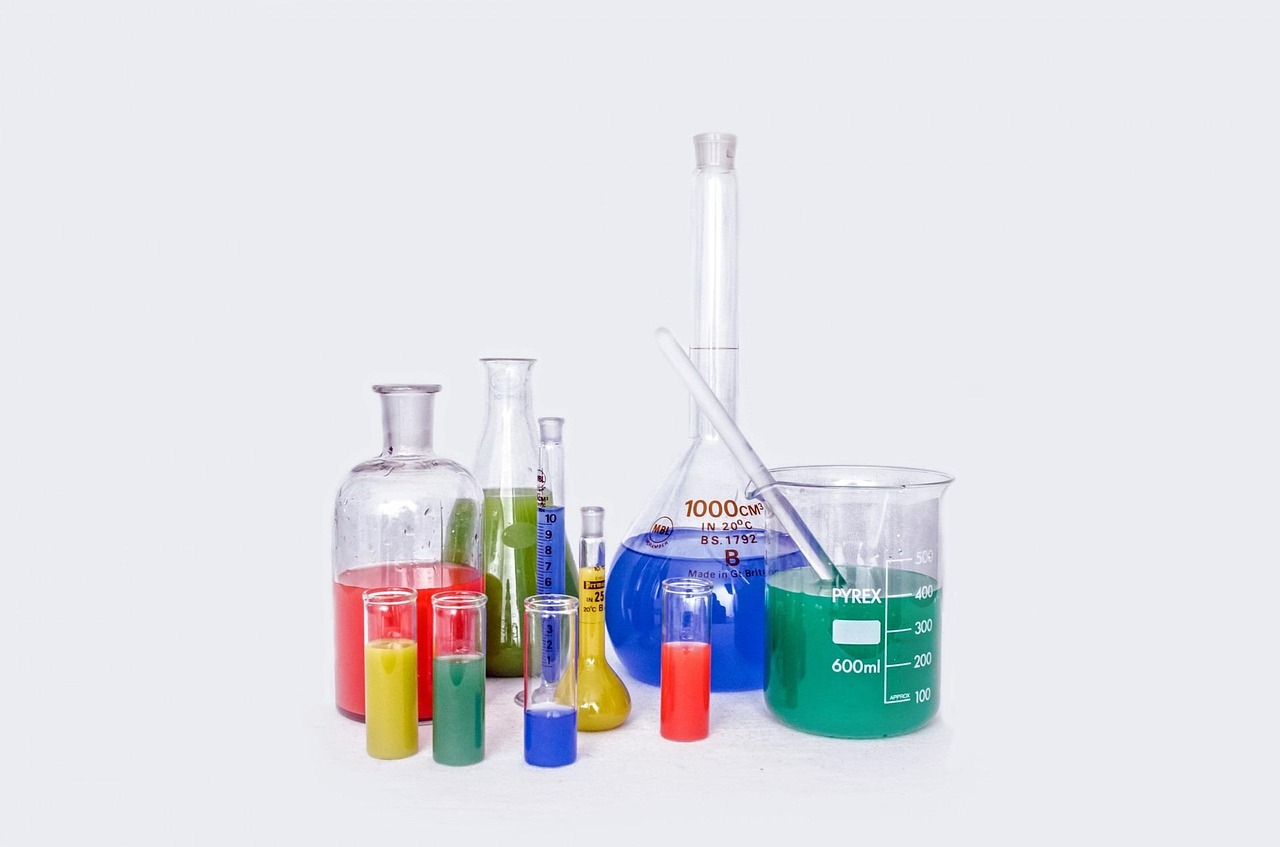
A beaker looks simple, but the wrong specification can create avoidable problems: poor pouring, inaccurate volume assumptions, cracked glass on a hot plate, chemical attack, or inefficient workflows. This guide focuses on selection criteria rather than brand claims, so laboratory managers, educators, procurement teams, and technicians can compare specifications across suppliers.
Beakers are not volumetric glassware
The first purchasing rule is to treat beaker graduations as approximate. A beaker may have printed or molded volume marks, but those marks are intended for rough estimation, not analytical measurement. If a method requires a defined volume, choose a volumetric flask, pipette, burette, or graduated cylinder appropriate to the required tolerance.
This distinction matters because many laboratory errors come from using a convenient vessel for the wrong purpose. A beaker can help a technician prepare a solution before transferring it to volumetric glassware. It can also be used to dissolve solids, combine reagents, rinse equipment, collect filtrate, or support a stir bar. It should not be the final measuring device when concentration, dilution ratio, or a regulatory method depends on accurate volume.
When writing a procurement specification, describe beakers as containers for preparation and handling, not as calibrated measuring devices. If approximate graduations are required, state that clearly. If traceable volume accuracy is required, a beaker is usually the wrong category.
Choose the material before choosing the size
Material selection is the core decision because it affects heat tolerance, transparency, breakage risk, chemical compatibility, cleaning method, and useful service life. Supplier catalogues commonly list beakers made from borosilicate glass, soda-lime glass, polypropylene, polymethylpentene, PTFE, stainless steel, or other specialty materials. The correct choice is application-specific.
Borosilicate glass
Borosilicate glass is widely used in chemistry labs because it has good chemical resistance for many common aqueous reagents and better thermal shock resistance than ordinary soda-lime glass. It is appropriate for many heating, mixing, and observation tasks when used within the manufacturer’s limits. Corning Life Sciences documentation for PYREX lab glassware, for example, emphasizes borosilicate glass for heat and chemical resistance and describes the importance of low thermal expansion in laboratory use.
However, borosilicate does not mean unbreakable. It can crack from scratches, point impacts, rapid uneven heating, localized flame exposure, or sudden temperature changes beyond its rated limits. A beaker with chips around the rim or scratches at the base should not be used for heating or critical chemical work.
Soda-lime glass
Soda-lime glass may be acceptable for lower-cost display, storage, classroom demonstration, or non-heated general handling where chemical and thermal demands are modest. It is generally not the preferred choice for repeated heating or thermal cycling. If a supplier simply says “glass beaker” without stating borosilicate or a relevant standard, buyers should verify the material before approving it for chemistry use.
Polypropylene and other plastics
Polypropylene beakers are common where breakage resistance and low weight matter. They are useful for many aqueous solutions, sample handling, and teaching environments. Some plastic beakers are autoclavable or chemically resistant to selected reagents, but those claims must be checked against the specific supplier data sheet. Plastics are usually not appropriate for direct hot-plate heating unless they are explicitly rated for the method and temperature.
Polymethylpentene is often selected when visibility and plastic durability are both useful. PTFE beakers are specialty items for aggressive chemicals and higher-value workflows. They are more expensive and should be purchased only when chemical compatibility justifies the cost.
Compare common beaker types by application
Beaker form affects stability, evaporation rate, stirring behavior, and pouring. The two most common shapes in chemistry settings are low-form and tall-form beakers.
| Beaker type | Typical use | Buying note |
|---|---|---|
| Low-form beaker | General mixing, dissolving, heating, and routine preparation | Often the default choice for teaching labs and general chemistry benches |
| Tall-form beaker | Reduced splashing, deeper liquid column, titration support, and some heating tasks | Check height clearance under stirrers, probes, and fume hood setups |
| Heavy-duty glass beaker | Frequent handling, training labs, or workflows with higher mechanical stress | Heavier walls may improve durability but do not remove thermal shock risk |
| Plastic beaker | Non-heated handling, sample collection, field use, and breakage-sensitive areas | Confirm chemical and temperature compatibility before use |
| PTFE or specialty beaker | Highly corrosive or contamination-sensitive applications | Specify exact reagent, temperature, and cleaning requirements before purchase |
For more equipment selection articles, see the Buying Guides section.
How to select the right capacity
Nominal capacity is not the same as comfortable working volume. A 250 ml beaker does not mean 250 ml is the ideal working level for stirring, boiling, or adding powder. In routine chemistry, a safer planning assumption is to leave headspace for mixing, splashing, foam, thermal expansion, and additions. Many labs choose a beaker with a nominal capacity roughly 1.5 to 3 times the expected working volume, depending on the operation.
For quiet storage or simple mixing, less headspace may be acceptable. For vigorous stirring, gas evolution, exothermic addition, boiling, or foaming liquids, more headspace is needed. If the beaker will sit on a hot plate with a magnetic stir bar, the base diameter must also match the plate and stirrer. A very tall, narrow beaker may reduce splashing, but it can be less convenient for some stir bars and probes.
| Expected liquid volume | Practical beaker range | Reason |
|---|---|---|
| 25 to 50 ml | 50 to 100 ml | Allows small additions and easier handling |
| 100 ml | 150 to 250 ml | Leaves room for stirring and dissolving solids |
| 250 ml | 400 to 600 ml | Better headspace for mixing, heating, or foaming |
| 500 ml | 800 ml to 1 L | Useful for preparation work and safer manual transfer |
| 1 L or more | 2 L or larger when vigorous mixing is expected | Reduces spill risk and improves process control |
These ranges are practical planning guidance, not formal capacity rules. The correct choice still depends on the liquid, temperature, stirring speed, and safety controls in the laboratory method. See also: Storage Systems.
Standards and specifications worth checking
For procurement, standards help reduce ambiguity. ISO 3819:2015 covers requirements for an internationally acceptable series of glass beakers for laboratory use. ASTM E960 is a standard specification for laboratory glass beakers. These standards are useful reference points when a buyer needs dimensional consistency, recognized terminology, or comparable quality expectations across suppliers.
A purchase description might say “borosilicate glass beakers conforming to ISO 3819 or ASTM E960, with approximate graduations and pouring spout.” That wording is more useful than a vague request for “chemistry beakers” because it gives the supplier a technical basis for comparison. If the lab has no formal standard requirement, it is still helpful to ask suppliers which standard, if any, their beakers are designed to meet.
For heat-related work, check the supplier’s maximum use temperature, thermal shock guidance, and heating method restrictions. For plastic beakers, check chemical compatibility charts, temperature limits, sterilization limits, and whether the graduations are molded or printed. For regulated or audited laboratories, retain supplier certificates and product data sheets with purchasing records.
Safety checks before using a beaker
Safe use begins before the beaker touches a chemical. Inspect glass beakers for chips, star cracks, deep scratches, damaged rims, worn graduations, and clouding that may hide defects. Do not heat damaged glassware. A small rim chip can become a failure point when the beaker is clamped, poured, cleaned, or heated.
Match the beaker to the heat source. Many borosilicate beakers are suitable for hot plates when used properly, but users should avoid sudden temperature shock, dry heating, uneven contact, and direct flame unless the manufacturer permits it. A beaker should not be used as a sealed pressure vessel. If a reaction may generate pressure, gas, or aerosol, use apparatus designed for that purpose and work under the required engineering controls.
Chemical compatibility is just as important as heat compatibility. Hydrofluoric acid attacks glass and requires specialized containment. Strong oxidizers, concentrated alkalis, organic solvents, or aggressive cleaning solutions may restrict material choices. When compatibility is uncertain, follow the chemical safety data sheet, the lab’s standard operating procedure, and the beaker manufacturer’s compatibility guidance.
A practical buying checklist
Before ordering, convert the intended use into a short technical specification. This helps avoid overbuying expensive specialty items while also preventing under-specified glassware from entering critical workflows.
- Application: mixing, heating, dissolving, sample collection, transfer, classroom demonstration, or corrosive chemical handling.
- Material: borosilicate glass, polypropylene, polymethylpentene, PTFE, stainless steel, or another specified material.
- Form: low-form for general use, tall-form for deeper liquid columns or reduced splashing.
- Capacity range: choose nominal size based on working volume plus headspace.
- Graduations: approximate marks only, unless another calibrated vessel is specified for measurement.
- Heat use: confirm hot plate, water bath, autoclave, or non-heated use as applicable.
- Chemical exposure: list the main acids, bases, solvents, salts, or cleaning agents.
- Standard reference: ISO 3819, ASTM E960, or the supplier’s stated equivalent, if required.
- Durability needs: standard wall, heavy-duty wall, plastic, or specialty material.
- Documentation: product data sheet, certificate, lot information, and compatibility notes for audited labs.
For a teaching lab, the likely priorities are durability, visibility, reasonable cost, and easy replacement. For a quality-control laboratory, dimensional consistency, traceable purchasing records, and compatibility with written methods may matter more. For corrosive or contamination-sensitive work, the cheapest beaker may become the most expensive choice if it causes breakage, leaching, sample loss, or repeat testing.
Frequently asked questions
What is a beaker used for in chemistry?
A beaker is used to hold, mix, heat, cool, dissolve, and transfer liquids or slurries. It is a versatile preparation vessel, not a precision measuring device.
Is a glass beaker better than a plastic beaker?
Neither is universally better. Borosilicate glass is often preferred for visibility, heating, and broad chemical use. Plastic beakers are useful where breakage resistance, low weight, or certain compatibility needs are more important. The right choice depends on the chemical, temperature, and workflow.
Can a chemistry beaker be heated directly?
Some borosilicate glass beakers can be heated on a suitable hot plate under controlled conditions, but users must follow the manufacturer’s limits. Plastic beakers and damaged glassware should not be heated unless specifically rated for the method.
Are beaker graduations accurate?
Beaker graduations are approximate. They are useful for quick estimates, but they should not replace volumetric glassware when accurate measurement is required.
Which beaker size should a lab buy first?
For a general chemistry setup, a practical starter range often includes 100 ml, 250 ml, 400 or 600 ml, and 1 L beakers. The exact mix should be based on the lab’s most common working volumes, heating methods, and storage space.