How to choose a beaker for chemistry labs
What a beaker for chemistry is actually meant to do
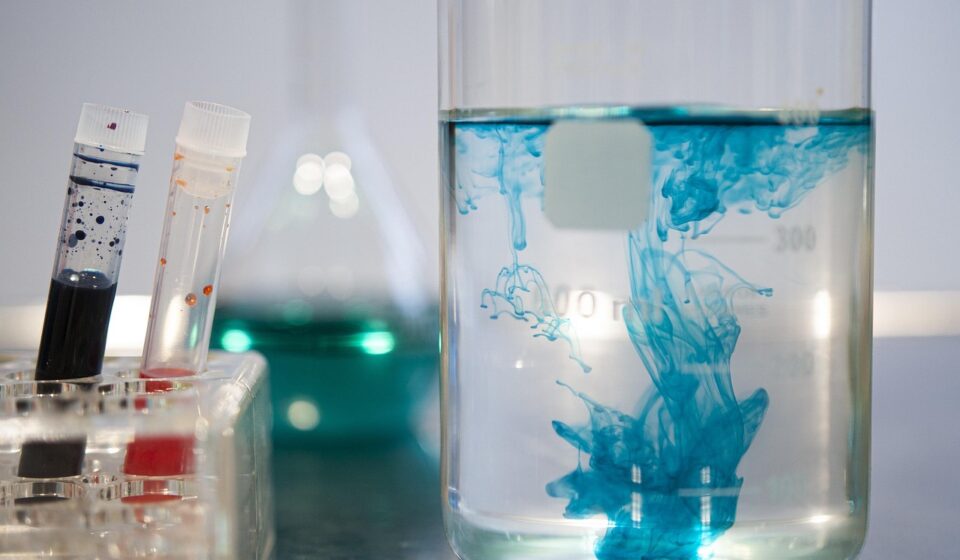
A beaker for chemistry is a general-purpose laboratory container used for mixing, heating, dissolving, cooling, transferring, and temporarily holding liquids or slurries. It is one of the most familiar items in a lab, but it is also easy to specify incorrectly. The graduations printed on many beakers are approximate, not precision volume measurements. For purchasing teams, the main questions are not limited to capacity and price. A suitable beaker must fit the chemical exposure, temperature range, handling method, cleaning process, and documentation requirements of the work it will support.
In practical use, a beaker is best treated as a process vessel rather than a measuring instrument. It allows operators to see a reaction, stir a solution, add reagents, pour through a spout, or heat a mixture on a hot plate. If a procedure depends on an exact volume, the correct choice is usually a volumetric flask, burette, pipette, or calibrated measuring cylinder, not a beaker.
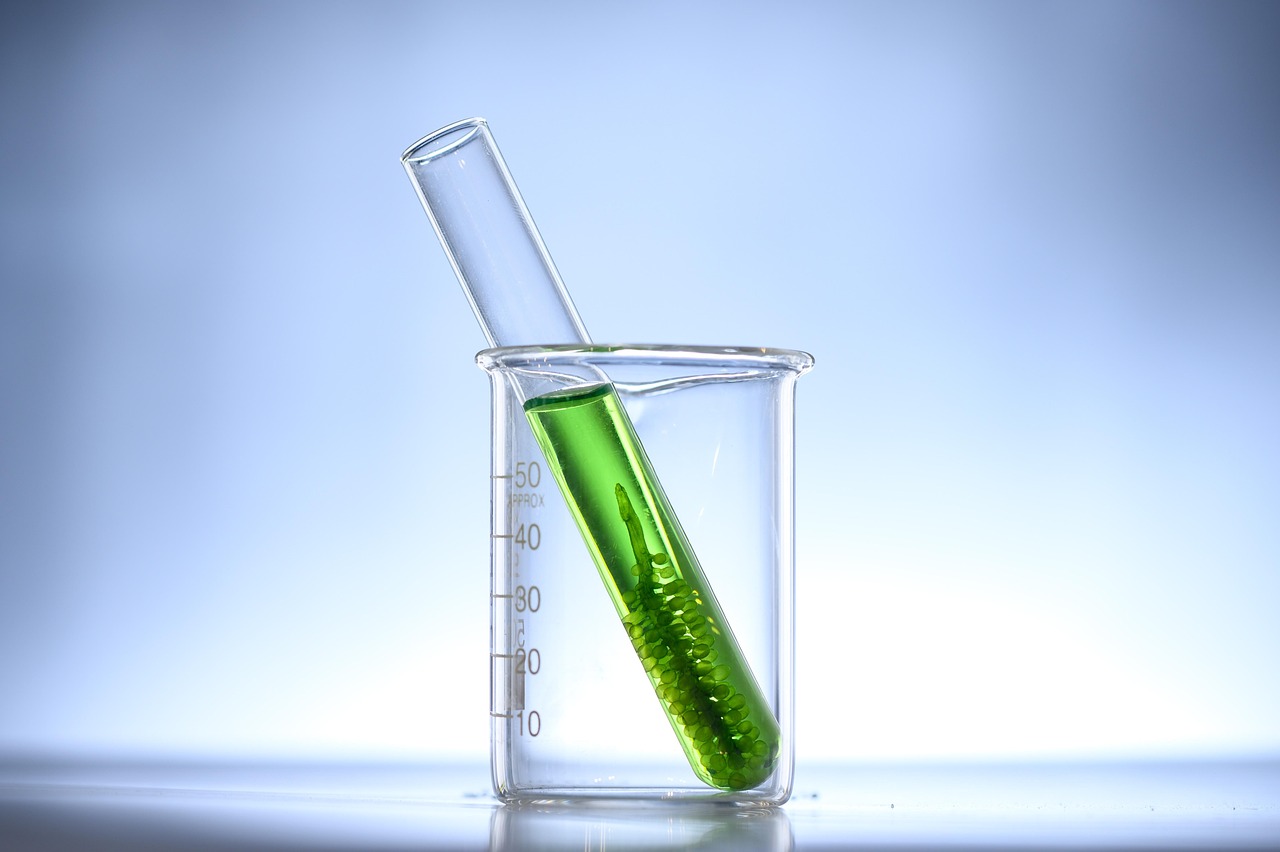
This guide focuses on how to specify and purchase beakers for chemistry labs, pilot plants, quality control rooms, and industrial testing areas. For related purchasing topics, see the Aizhika buying guides.
Key beaker types and when to use them
Many purchasing mistakes happen because beakers look similar in a catalog. In daily use, however, shape, wall thickness, material, rim design, and graduation style all affect handling and performance.
Low-form beakers
Low-form beakers, often called Griffin-style beakers, are wide relative to their height. They are popular because they are stable on a bench, easy to stir, and convenient for evaporating or heating moderate volumes. The wider opening also makes it easier to add solids, use a spatula, insert a thermometer, or rinse the inside wall.
Choose a low-form beaker when the main tasks are solution preparation, routine mixing, sample dilution, or general heating. They are usually the default option for teaching labs, QC benches, and maintenance laboratories.
Tall-form beakers
Tall-form beakers, often called Berzelius-style beakers, are narrower and taller. They can reduce splash risk during stirring and are useful when a deeper liquid column is needed. The narrower opening may also help limit evaporation compared with a wide vessel, although a watch glass or proper cover is still needed when contamination control matters.
Choose a tall-form beaker for titration support, deeper immersion of probes, magnetic stirring of lower-volume samples, or situations where bench space is limited. Before ordering, confirm that the beaker fits the hot plate, stirrer, clamp, or bath used in the method.
Special-purpose beakers
Some beakers are designed for heavier service, easier pouring, or special materials. Examples include heavy-wall glass beakers, handled beakers, jacketed beakers, electrolytic beakers, PTFE beakers, and stainless steel beakers. These are not universal upgrades. A heavy-wall vessel may resist mechanical abuse better, while a thinner laboratory beaker may respond more evenly to heating. A PTFE beaker may tolerate aggressive chemicals better than glass, but it is usually less transparent and more expensive.
Material selection matters more than capacity
Capacity is easy to compare, but material compatibility is usually the more important buying factor. The same 500 ml beaker can perform very differently depending on whether it is made from borosilicate glass, soda-lime glass, polypropylene, PTFE, or metal.
| Material | Typical strengths | Important limitations | Common use cases |
|---|---|---|---|
| Borosilicate glass | Good thermal shock resistance, clear visibility, broad chemical resistance | Can break from impact; not suitable for all chemicals such as hydrofluoric acid | Heating, mixing, solution preparation, general lab work |
| Soda-lime glass | Low cost, clear, suitable for simple non-heated tasks | Lower thermal shock resistance than borosilicate glass | Basic storage, demonstrations, low-risk aqueous work |
| Polypropylene | Lightweight, low breakage risk, good resistance to many aqueous chemicals | Not suitable for high-temperature direct heating; lower clarity than glass | Sample handling, field work, non-heated mixing |
| PTFE | Excellent chemical resistance, useful with aggressive media | Higher cost, opaque or translucent, may deform under poor heating conditions | Highly corrosive chemicals, specialized analytical preparation |
| Stainless steel | Durable, impact resistant, suitable for rugged handling | Not transparent; chemical compatibility depends on alloy and reagent | Industrial sampling, powders, non-corrosive process liquids |
For routine chemistry, borosilicate glass is often the most versatile choice because it combines visibility, heat resistance, and chemical compatibility. It is not automatically the safest option for every reagent. Hydrofluoric acid can attack glass, strong hot alkali can damage glass over time, and some solvent or acid mixtures require specific compatibility checks. When a procedure involves aggressive chemicals, verify compatibility with the chemical supplier, the labware manufacturer, and the internal safety procedure before purchase.
How to size a chemistry beaker correctly
A beaker should not be filled to its nominal capacity during normal use. A 1000 ml beaker is marked as a 1000 ml vessel, but filling it to the top leaves little room for stirring, boiling, foaming, adding solids, or safe pouring. In many routine tasks, the working volume should be well below the stated capacity.
For purchasing purposes, choose a beaker with enough headspace for the process rather than simply matching the liquid volume. If a method needs to stir 250 ml of liquid and solids will be added later, a 400 ml or 600 ml beaker may be more practical than a 250 ml beaker. If the liquid foams, boils, or releases gas, even more headspace may be needed.
Common capacity planning questions
- Will the beaker be heated? Leave space for boiling, bumping, and thermal expansion.
- Will solids be added? Allow room for displacement and splashing.
- Will a magnetic stir bar be used? Select a base size that supports stable stirring without vortex overflow.
- Will probes or electrodes be inserted? A tall-form beaker may provide better immersion depth.
- Will the beaker be carried by hand? Very large glass beakers become heavy and fragile when filled.
For small labs, a practical starter set often includes several sizes rather than many duplicates of one size: 50 ml, 100 ml, 250 ml, 400 ml, 600 ml, and 1000 ml. Industrial and QC environments may also need 2 L, 3 L, or 5 L beakers, but handling risk increases as size increases.
Graduations, accuracy, and measurement limits
The printed scale on a beaker is useful for quick estimates, but it should not be treated as an analytical measurement. Beaker graduations can help an operator add approximately 300 ml of water, check whether a process volume is rising, or divide a non-critical solution into rough portions. They should not be used where a specification, formulation, or test result depends on a controlled volume.
This distinction matters in regulated and quality-sensitive work. Standards organizations and laboratory good practice documents generally separate general labware from volumetric measuring instruments. Volumetric flasks, pipettes, burettes, and measuring cylinders are designed around defined measuring functions and tolerances. Beakers are designed mainly for containment and handling.
When ordering beakers for a controlled environment, look for the following information in supplier documentation:
- Material type, such as borosilicate glass or polypropylene.
- Nominal capacity and approximate graduation interval.
- Temperature limits or recommended heating restrictions.
- Chemical resistance notes and exclusions.
- Whether the product references a recognized labware standard.
- Batch, lot, or certificate information if traceability is required.
If a catalog claims compliance with a standard such as ISO laboratory glassware requirements, verify the exact product line and certificate before treating that claim as part of your purchasing specification. A statement on one product family does not automatically apply to every similar-looking beaker from the same supplier. See also: Storage Systems.
Heating and chemical compatibility checks
Heating is one of the most common reasons buyers choose glass beakers, and it is also a frequent cause of breakage. A beaker can fail if it is chipped, heated unevenly, exposed to sudden temperature change, placed on an unsuitable heat source, or used outside the manufacturer’s recommended limits.
Safe heating considerations
- Use beakers intended for heating when hot plates, water baths, or oil baths are part of the procedure.
- Avoid direct flame unless the beaker type and method specifically allow it.
- Do not heat a chipped, scratched, or cracked beaker.
- Avoid rapid transfer from hot conditions to a cold bench, cold water, or a cold metal surface.
- Do not seal a beaker during heating; pressure buildup can create a serious hazard.
- Use boiling chips, stirring, or controlled heating when bumping is possible.
Plastic beakers require a different approach. Polypropylene can be useful for many wet chemistry tasks, but it should not be treated like borosilicate glass on a hot plate. PTFE can handle more demanding chemical environments, yet it still has temperature and mechanical limits. For any plastic beaker, check the maximum service temperature, softening behavior, and chemical exposure time before use.
Chemical compatibility is not one-size-fits-all
Chemical resistance depends on concentration, temperature, exposure time, and mechanical stress. A beaker that is acceptable for a dilute acid at room temperature may be unsuitable for the same acid when hot and concentrated. Solvents, oxidizers, strong bases, and fluoride-containing solutions all require attention. Buyers should avoid vague specifications such as “chemical resistant” unless the supplier explains which chemicals, concentrations, and temperatures the statement covers.
Procurement checklist for labs and industrial buyers
A good purchasing specification should be short, clear, and tied to actual use. The following checklist can help avoid under-specified orders and mismatched labware.
Specify the work before the product
- Define the main task: heating, mixing, sampling, dissolving, decanting, or temporary storage.
- List the main chemicals or chemical families expected in use.
- State the approximate working volume, not only the nominal capacity.
- Identify the maximum expected temperature and heating method.
- Confirm whether the beaker must fit a stirrer, hot plate, bath, clamp, or storage rack.
Check physical design details
- Spout quality: A poor spout can cause dripping, sample loss, and contamination.
- Rim and edge finish: Smooth rims reduce chipping and improve handling.
- Base flatness: Important for stable heating and magnetic stirring.
- Wall thickness: Match durability needs with heating performance.
- Graduation visibility: Printed marks should remain readable after normal cleaning.
Plan for cleaning and replacement
Beakers are consumable lab assets. Even high-quality glassware should be replaced when it becomes chipped, etched, badly stained, or difficult to clean. In shared labs, it is useful to standardize a few common beaker sizes and materials so replacements are easier to manage. For corrosive or contamination-sensitive work, separate beakers by application and avoid moving them between incompatible processes.
Cleaning methods should match both the residue and the beaker material. A detergent wash followed by suitable rinsing may be enough for routine aqueous work. Trace analysis, biological work, oil residues, polymer residues, and strong oxidizer residues may require separate procedures. Avoid abrasive cleaning that scratches glass or plastic, because scratches can trap contaminants and weaken the vessel.
Common buying mistakes to avoid
The lowest-cost beaker is not always the lowest-cost option over time. Breakage, contamination, poor pouring, unreadable graduations, and chemical attack can cost more than the purchase price difference.
- Using beakers as accurate measuring tools: This can introduce avoidable error into formulations and tests.
- Buying one material for every chemical: No material is universally compatible with all reagents.
- Ignoring headspace: Overfilled beakers increase spill, splash, and boil-over risk.
- Choosing large glass beakers without handling controls: Large filled beakers are heavy, slippery, and fragile.
- Relying only on catalog photos: Photos may not show wall thickness, spout quality, base shape, or graduation durability.
- Skipping documentation needs: QC and regulated labs may need certificates, lot traceability, or standard references.
For most buyers, the practical approach is to create a small matrix by task: routine heated mixing, non-heated sample handling, corrosive preparation, large-volume transfer, and training use. Each task can then be matched with material, form, capacity, and documentation requirements.
Frequently asked questions
Is a beaker for chemistry accurate enough for measuring volume?
Usually no. Beaker graduations are best for approximate volume checks. If the volume affects a test result, formulation, or compliance record, use appropriate volumetric glassware or a calibrated measuring instrument.
What is the most versatile beaker material for general lab work?
Borosilicate glass is often the most versatile for routine chemistry because it is transparent, heat resistant, and compatible with many common lab chemicals. It is still not suitable for every reagent, so compatibility must be checked for aggressive chemicals.
Can plastic beakers be heated?
Some plastic beakers can tolerate warm liquids or autoclave conditions, depending on the material and manufacturer’s limits, but they should not be treated like glass heating vessels. Always check the specified temperature range and avoid direct high-heat exposure unless the product is designed for it.
Should a lab buy low-form or tall-form beakers?
Low-form beakers are a practical default for mixing, heating, and general handling. Tall-form beakers are useful when deeper liquid depth, reduced splashing, or probe immersion is important. Many labs keep both styles in the most common capacities.
When should a beaker be replaced?
Replace a beaker when it is chipped, cracked, deeply scratched, chemically etched, badly stained, or no longer cleanable for its intended use. Damaged beakers are especially risky when heated or used with hazardous chemicals.
Bottom line for buyers
The right beaker is the one that fits the chemistry, not just the shelf space. Start with the task, chemical exposure, temperature, working volume, and documentation needs. Then choose the material, shape, size, and supplier specification that match those conditions. For general chemistry, borosilicate low-form beakers cover many everyday jobs, while specialized work may require tall-form designs, plastic materials, PTFE, stainless steel, or documented compliance. Treat beakers as reliable handling vessels, not precision measuring tools, and the purchasing decision becomes safer and clearer.