Tool storage systems for safer and more efficient industrial work areas
Why tool storage systems matter in industrial work areas
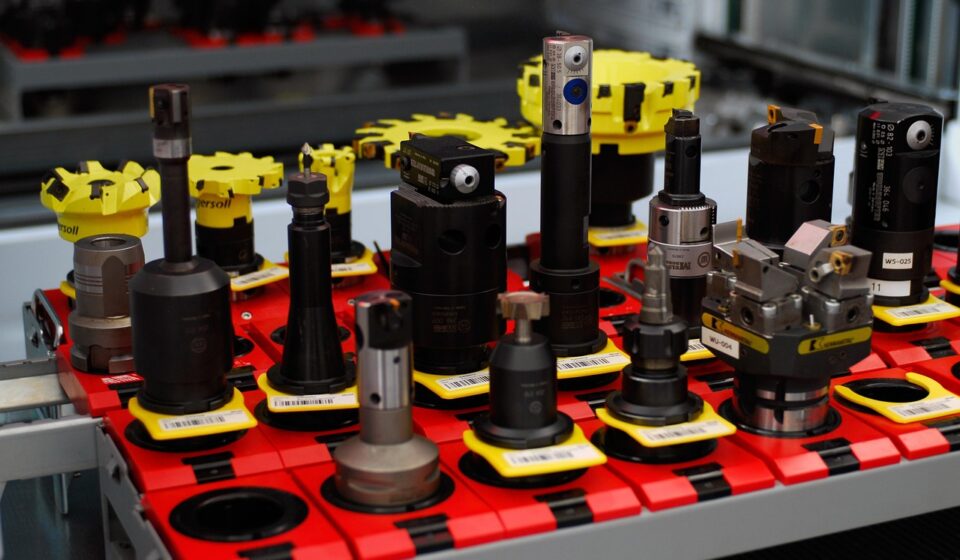
Tool storage systems are planned combinations of cabinets, drawers, racks, carts, shadow boards, bins, lockers, labels, and control routines that keep tools available without allowing the work area to become cluttered. In maintenance shops, fabrication areas, and chemical equipment workspaces, their value is not limited to a tidy appearance. A well-designed system reduces search time, separates clean and contaminated items, keeps heavy tools within safer reach, and supports routine housekeeping.
It also gives supervisors a clearer view of abnormal conditions: a missing wrench, a damaged gauge, a torque tool that is overdue for calibration, or a tool stored in the wrong zone. Before choosing a cabinet size or rack type, industrial teams should look at workflow, tool condition, handling risk, and how people actually move through the work area.
What an industrial tool storage system includes
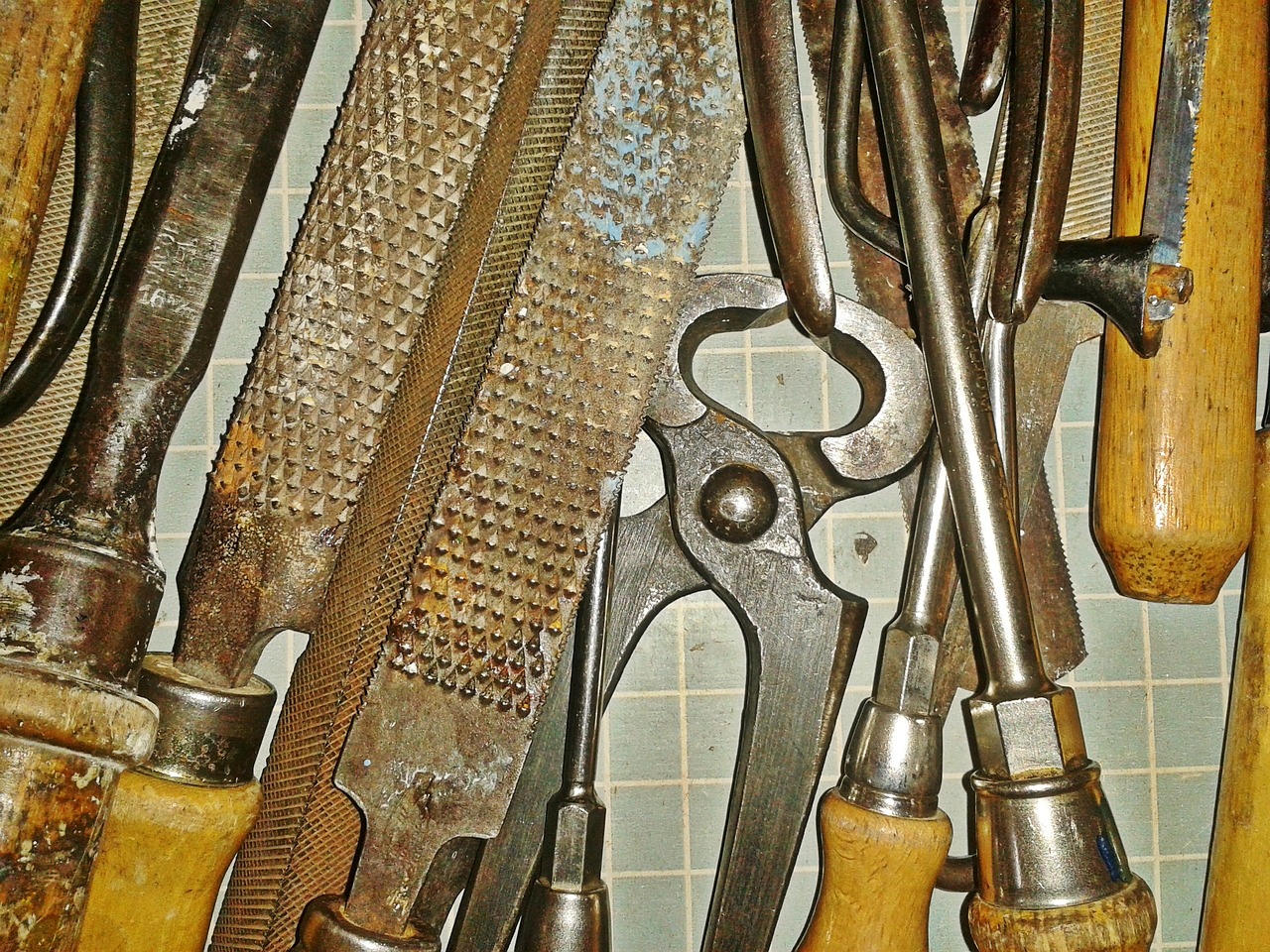
A complete storage system usually has three layers. The first is the physical storage layer: steel cabinets, drawer units, shelving, pegboards, pipe and hose racks, mobile carts, tote bins, and lockable compartments. The second is the visual management layer: labels, color coding, drawer maps, shadow outlines, floor markings, and defined return locations. The third is the control layer: ownership, check-in and check-out rules, inspection schedules, calibration records, and minimum stock levels for consumable tooling.
These layers need to work together. A drawer cabinet without labels can still waste time. A shadow board without ownership may look effective at first and then lose discipline. A mobile cart without a return point can become a wandering toolbox. In many facilities, the strongest arrangement is a mix of fixed storage for shared inventory and point-of-use storage for tools needed at a specific machine, pump skid, reactor platform, valve bench, or maintenance bay.
For more articles on industrial storage planning, the Storage Systems section covers related storage and organization topics.
Safety and housekeeping should guide the layout
In the United States, OSHA 29 CFR 1910.22 requires workplaces, passageways, storerooms, service rooms, and walking-working surfaces to be kept clean, orderly, and sanitary. It also addresses dry floors, surface hazards, safe access, and repair of hazardous conditions. OSHA 29 CFR 1910.176 adds that aisles and passageways used with mechanical handling equipment must remain clear, and that stored materials must be stable and secure against sliding or collapse. These rules are not tool cabinet specifications, but they show why storage decisions often become safety decisions.
In practice, tool storage should keep aisles open, prevent tools from being left on floors or stairs, avoid unstable stacks, and make housekeeping easier to maintain. Chemical and process equipment environments add further concerns. Wrenches, torque tools, gasket cutters, sampling tools, hose fittings, and maintenance accessories may move between clean, dirty, wet, oily, or corrosive areas. Storage planning should separate tools by use condition and cleaning status. A simple clean-tool zone, dirty-return zone, and inspection point can help prevent a cabinet from becoming a hidden source of contamination.
Match the storage type to the tool and the task
No single storage format fits every tool. A maintenance team that handles heavy valve tools, precision measuring instruments, and small consumables will usually need several storage formats in the same room. The table below summarizes common choices.
| Storage type | Best use | Main limitation |
|---|---|---|
| Drawer cabinets | Hand tools, sockets, gauges, small parts, and grouped tool sets | Items can disappear inside drawers without clear labels or inserts |
| Shadow boards | Frequently used shared tools where missing items must be visible | Less suitable for tools that need dust, moisture, or impact protection |
| Mobile carts | Maintenance tasks that move between equipment zones | Require return points and loading discipline |
| Heavy-duty racks | Large fixtures, lifting accessories, hose reels, and bulky tools | Must be selected for load capacity and stable access |
| Lockable cabinets | High-value tools, controlled instruments, blades, and special tooling | Can slow work if access rules are unclear |
| Small bins and totes | Consumables, fasteners, tags, fittings, and replacement items | Need min-max rules to prevent overstock or stockouts |
The key question is not whether a system looks organized on the first day. It is whether the storage form matches tool weight, frequency of use, contamination risk, replacement cost, and the route employees take during real work.
Design details for chemical equipment and process facilities
Chemical equipment areas may expose tools to moisture, washdown water, powders, oils, solvents, vapors, temperature changes, and corrosive residue. Storage systems should be selected with those conditions in mind. Painted steel may be adequate for a dry workshop, while stainless steel, coated steel, sealed plastic bins, or corrosion-resistant shelving may be more suitable near wet or corrosive processes. Drawer slides, hinges, locks, and casters also deserve attention because they often fail before the cabinet body does.
Facilities should not treat a tool cabinet as a general chemical storage cabinet. If small quantities of flammable cleaners, solvents, or maintenance liquids are used, they should be managed under the facility’s hazardous material procedures and stored in approved locations. OSHA 29 CFR 1910.106 states that flammable liquid storage cabinets have capacity limits: not more than 60 gallons of Category 1, 2, or 3 flammable liquids, and not more than 120 gallons of Category 4 flammable liquids. That requirement applies to flammable liquids, not ordinary hand tools, but it becomes relevant when maintenance chemicals start accumulating in tool rooms.
Cleanability is another practical design issue. Open shelving is easy to inspect but may collect dust and overspray. Closed cabinets protect tools but can hide leaks, rust, and obsolete items. For areas near powder handling, corrosive chemicals, or sanitary processes, choose storage that can be wiped down, inspected, and clearly separated from production materials.
Use 5S principles without turning storage into decoration
The U.S. Environmental Protection Agency describes 5S as sort, set in order, shine, standardize, and sustain. This framework is useful for tool storage because it starts by removing unnecessary items before organizing what remains. In many plants, the largest improvement comes from eliminating duplicate, broken, unassigned, or obsolete tools that take up prime drawer and bench space.
After sorting, set tools in order by workflow. Place daily-use tools close to the task. Store occasional tools in shared cabinets. Put rarely used fixtures in labeled reserve storage. Then clean and inspect the storage area so leaks, rust, missing parts, cracked handles, and damaged cords become visible. Standardize labels, drawer maps, and return rules across departments where practical. Finally, sustain the system with short audits instead of relying on occasional large cleanups.
5S should not force every tool onto a wall display. Precision tools may need padded drawers. Heavy tools may belong on lower shelves or lift-assisted racks. Sensitive instruments may require controlled storage and calibration tracking. The principle is visibility and reliable return, not decoration. See also: Pumps and Valves.
Ergonomics, access, and load control
Tool storage also affects manual handling. OSHA ergonomic guidance for racks and shelves notes that shelf systems can reduce excessive lifting, carrying, and awkward postures when configured for manual access. It recommends keeping manually lifted items roughly between knuckle and shoulder height, with heavy and frequently used items in that range. Lightweight and infrequently used items can be placed higher or lower when access remains safe.
For a tool room, this means heavy torque multipliers, chain wrenches, pump alignment tools, and large fixtures should not be stored on top shelves simply because they are used less often. If they are too heavy or awkward to lift safely, use lower racks, pull-out shelves, lift tables, or mechanical handling aids. Frequently used small tools should be visible and reachable without bending, stretching, or opening several containers.
Load control deserves the same attention. Shelves, drawer slides, casters, wall boards, and brackets should have suitable load ratings for the tools placed on them. When a cabinet is mobile, weight distribution matters; heavy items stored high can increase instability during movement. If a supplier claims a high total capacity, check whether that capacity applies to the whole cabinet, each drawer, or a static test condition.
Controls that keep the system working
A tool storage system fails when it depends on memory alone. Assign each area an owner, define what belongs there, and make abnormal conditions easy to see. Common controls include drawer photos, engraved labels, color-coded zones, barcode or sign-out sheets for high-value tools, red tags for damaged items, and return bins for tools awaiting cleaning or inspection.
For maintenance and reliability teams, storage should connect to preventive maintenance. Torque tools, pressure gauges, calipers, electrical meters, lifting accessories, and other controlled tools may need inspection or calibration records. The storage location should make status clear: in service, due for inspection, out of service, or quarantine. This helps prevent reliable tools from being mixed with questionable ones.
Inventory discipline is also important. Small consumables such as blades, bits, gaskets, cable ties, fittings, tags, and marking supplies often create hidden waste. Use simple minimum and maximum quantities so teams do not overfill bins or run out during shutdown work. A storage system should make reordering obvious before a shortage stops a job.
A practical selection checklist
- Map the work areas where tools are actually used before selecting cabinets or racks.
- Separate shared tools, personal tools, controlled tools, consumables, and dirty-return items.
- Keep aisles, doors, electrical panels, emergency equipment, and exits clear.
- Store heavy and frequently used tools at safer working heights whenever possible.
- Select materials and finishes based on moisture, corrosion, dust, and cleaning requirements.
- Use labels, drawer maps, or shadow outlines so missing tools are visible.
- Confirm shelf, drawer, wall-mount, and caster load ratings.
- Keep chemicals and flammable liquids under the facility’s chemical storage procedures, not mixed casually with tools.
- Assign ownership and audit the system on a fixed routine.
The right tool storage systems are not defined by one cabinet style. They are defined by safer access, cleaner separation, visible status, and consistent return behavior.
Frequently asked questions
What are tool storage systems?
They are organized combinations of physical storage, labels, visual controls, and management routines used to store, find, inspect, and return tools. In industry, they may include cabinets, racks, carts, bins, shadow boards, lockers, and check-out procedures.
Are shadow boards better than drawer cabinets?
Neither is always better. Shadow boards work well for frequently used shared tools where visibility matters. Drawer cabinets are better for precision tools, small parts, protected sets, and tools that should be shielded from dust, moisture, or accidental impact.
Should maintenance chemicals be stored in a tool cabinet?
Generally, chemicals should follow the facility’s hazardous material and safety data sheet procedures. Flammable liquids, solvents, aerosols, and oily waste should not accumulate casually in ordinary tool storage. Use approved storage where required.
How often should a tool storage system be audited?
High-use areas may need brief daily or weekly checks, while reserve storage may only need scheduled monthly or quarterly review. The audit should verify missing tools, damaged items, excess inventory, unclear labels, blocked access, and tools awaiting cleaning or inspection.