Locker systems for industrial facilities and chemical work areas
Why locker systems matter in industrial storage
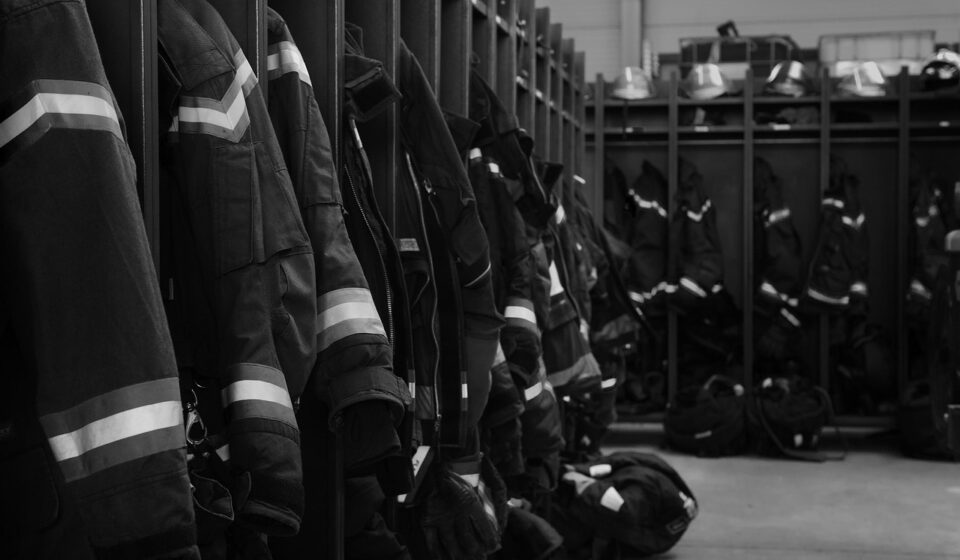
Locker systems are more than employee conveniences. In industrial facilities, laboratories, maintenance rooms and chemical work areas, they help keep personal items, PPE, tools, consumables and controlled supplies separated and easy to find. A well-planned system can improve housekeeping, reduce search time, support shift handovers and make access responsibilities clearer. A poor layout can do the opposite by creating blocked aisles, weak ventilation, unidentified contents or a false sense of compliance.
For readers comparing broader storage options, this article focuses on lockers as one part of an industrial storage plan. Related equipment categories can be explored through the Storage Systems section.
What counts as a locker system?
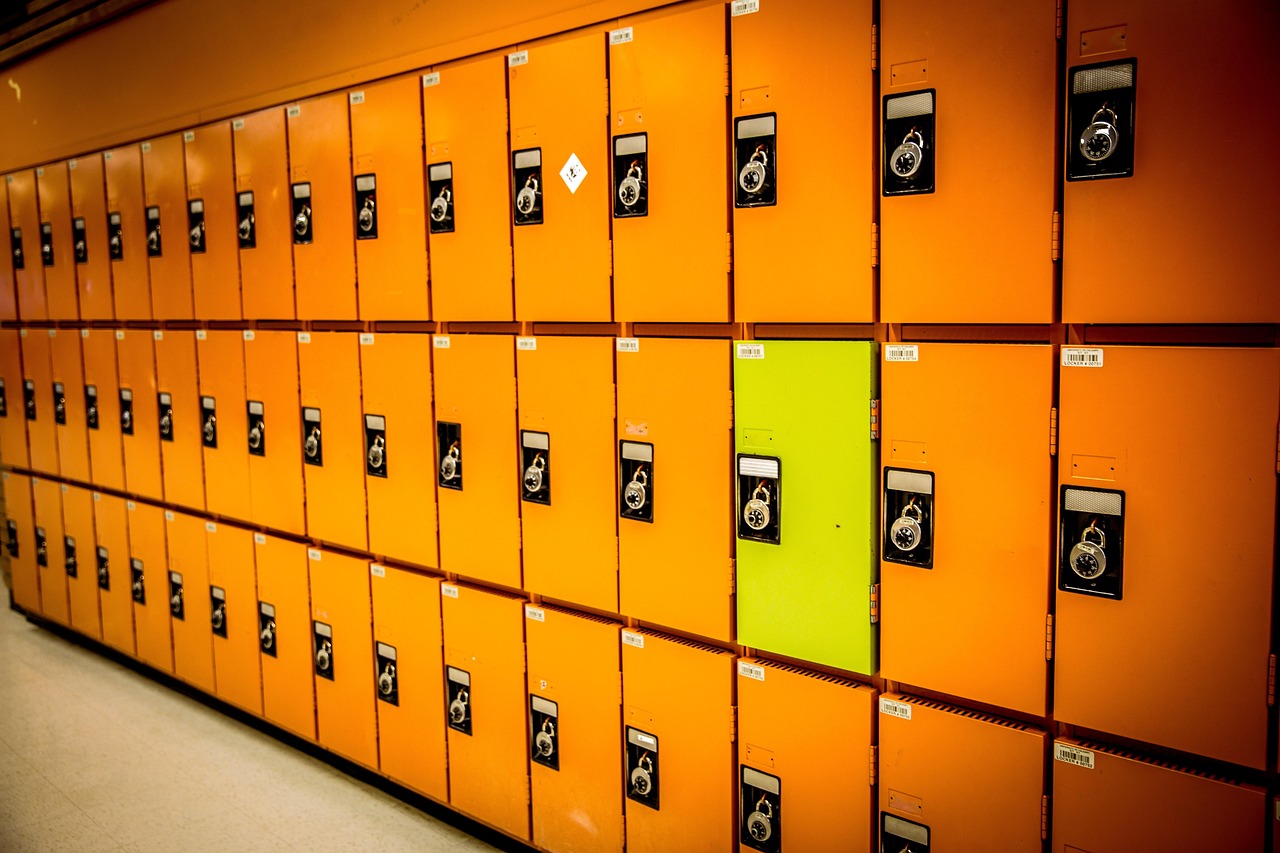
A locker system is a planned group of lockable compartments combined with frames, doors, identification, ventilation, access hardware and, in some cases, digital management. The word “system” matters because the value is not only in the metal box. It comes from how compartments are assigned, labeled, cleaned, inspected and connected to the facility workflow.
In a plant environment, locker systems may be used for:
- Personal belongings and uniforms in changing rooms.
- PPE such as gloves, respirators, goggles, face shields and chemical-resistant aprons.
- Maintenance tools and small spare parts.
- Shift-specific kits for operators, technicians or contractors.
- Controlled issue of meters, radios, keys, test equipment or calibrated instruments.
- Cleanroom or laboratory garments where separation and traceability are important.
A standard locker is not automatically a safe place for flammable liquids, hazardous waste, reactive materials or pressurized containers. Those applications may require approved cabinets, rated rooms, secondary containment, ventilation, segregation rules and documented procedures. A sound locker specification starts by defining what will be stored, not by choosing a door style.
Common locker types and where they fit
Most industrial sites use more than one locker type because storage needs vary by department. A maintenance area may need heavy-duty steel compartments with tool hooks. A wet processing zone may need corrosion-resistant materials and sloped tops. A contractor entrance may need short-term smart lockers with audit records. The table below summarizes common options and practical limits to review.
| Locker type | Typical use | Strengths | Limits to check |
|---|---|---|---|
| Powder-coated steel lockers | General employee storage, uniforms, light tools | Durable, widely available, cost-effective | Coating damage can expose steel to corrosion; not ideal for harsh chemical splash zones unless specified carefully |
| Stainless steel lockers | Washdown areas, laboratories, food and chemical-adjacent spaces | Better corrosion resistance and cleanability | Higher cost; grade selection matters in chloride or acidic environments |
| Plastic or HDPE lockers | Humid rooms, pool areas, some corrosive environments | Moisture resistant, easy to clean | May have lower heat resistance or load capacity than metal alternatives |
| Phenolic or laminate lockers | Changing rooms, laboratories, high-use facilities | Good moisture resistance and smooth surfaces | Edge details, impact resistance and repairability should be reviewed |
| Wire mesh lockers | Tool rooms, maintenance cages, visual inventory control | High visibility and airflow | Limited privacy; not suitable when dust protection or splash protection is required |
| Smart locker systems | Shared equipment issue, parcel pickup, shift kits, contractor access | Credential-based access and possible audit trails | Requires power, software support, cybersecurity review and backup procedures |
The best choice is often a hybrid layout. A site may use ventilated steel lockers for everyday PPE, stainless units near washdown areas and controlled electronic lockers for instruments that must be checked in and out.
Key specification factors before purchasing
Stored contents and hazard profile
The first design question is simple: what will be inside? PPE, dry tools and personal clothing have different requirements than chemicals, batteries, contaminated garments or gas detection equipment. If the contents can leak, off-gas, react, ignite or contaminate other materials, the locker must be evaluated as part of a wider hazard control plan.
Facilities should avoid using ordinary employee lockers as informal chemical cabinets. OSHA’s Hazard Communication Standard expects hazardous chemical information to be communicated through labels, safety data sheets and training, while OSHA flammable liquid rules and fire codes may require specific storage methods for quantities of flammable liquids. EPA hazardous-waste generator rules may also affect how waste containers are accumulated and managed. In practical terms, lockers can support organization, but they do not replace compliant chemical storage equipment and written procedures.
Environment and material compatibility
Industrial storage has to work in real operating conditions: humidity, dust, vapors, forklift traffic, cleaning chemicals, temperature swings and occasional impact. Powder-coated steel may be suitable for dry interior rooms, but damaged coating can become a corrosion point. Stainless steel can perform better in washdown or chemical-adjacent areas, but the grade and surface finish must match the environment. Plastic or HDPE can resist moisture, yet may not be the right choice near heat sources or heavy mechanical abuse.
Before selecting a material, review expected exposure, cleaning method, ventilation, drainage, load and repair options. A locker that looks inexpensive at purchase can become costly if doors bend, locks fail, labels peel off or corrosion spreads within the first maintenance cycle.
Access control and accountability
Access control should match the value and risk of the contents. Personal lockers may only need a padlock hasp or built-in combination lock. Shared tool lockers may need assigned keys, supervisor override and a sign-out procedure. Smart lockers may be useful when the site needs time-stamped records for radios, meters, instruments or contractor kits.
Digital access is not automatically better. Electronic locker systems add software administration, power dependence, user support and data governance. Mechanical locks are simpler and often more resilient, but they provide less visibility when items are shared. The decision should be based on the cost of lost items, the importance of traceability and the facility’s ability to maintain the system.
Ventilation, visibility and cleaning
Ventilation matters when stored items are damp, odorous or recently used. Perforated doors, louvered panels or mesh sides can support air movement, but they also affect privacy and dust protection. In chemical work areas, ventilation should not be improvised as a substitute for engineered controls. If contents require exhaust, containment or segregation, the storage design should be reviewed by qualified safety and engineering personnel.
Cleaning is another practical issue. Sloped tops discourage the accumulation of boxes, bottles and dust. Raised bases or legs can make floor cleaning easier. Smooth surfaces reduce dirt traps. Removable shelves can simplify inspection. These small details often determine whether lockers stay organized after the first month of operation.
Layout decisions that affect safety and workflow
A locker system improves order only when the layout supports how people move through the area. Crowding lockers into a narrow corridor may save floor space on a drawing but create congestion during shift changes. Placing PPE lockers too far from the point of use may encourage workers to skip required items or store them informally near the process. Good layouts balance storage density with access, visibility and emergency movement. See also: Pumps and Valves.
Useful layout checks include:
- Keep aisles clear and avoid door swings that interfere with walkways.
- Separate clean clothing from contaminated or wet gear when the risk justifies it.
- Place frequently used PPE near the task area, but outside splash, heat or traffic hazards.
- Use numbering, color coding or department zones to reduce search time.
- Provide a clear process for abandoned contents, broken locks and unassigned compartments.
- Anchor tall or narrow locker banks where tip-over risk exists.
- Coordinate locker rooms with exits, emergency showers, eyewash stations and change procedures where applicable.
Accessibility should be considered early. The 2010 ADA Standards and related guidance address accessible storage, reach ranges and operable parts in covered facilities. For locker areas serving employees, visitors or the public, design teams should confirm which accessibility requirements apply before ordering fixed banks or custom sizes.
Where locker systems help chemical and manufacturing operations
In chemical and manufacturing settings, lockers are most useful when they reduce ambiguity. Workers should know where clean PPE is kept, where used PPE goes, who may access shared instruments and which items are not allowed in ordinary lockers. That clarity supports housekeeping and can make inspections more consistent.
Typical operational benefits include:
- PPE readiness: Assigned compartments can protect gloves, goggles and face shields from damage, dirt and accidental mixing.
- Tool control: Maintenance teams can reduce missing tools by assigning compartments to jobs, shifts or work cells.
- Shift handover: Lockers can hold prepared kits for routine inspections, sampling rounds or production changeovers.
- Contractor management: Temporary lockers can separate visitor belongings and issued site equipment from employee storage.
- Housekeeping: Clear storage points reduce loose items on benches, floors and control-room surfaces.
These benefits depend on management discipline. A locker system with no owner, no inspection routine and no labeling standard can quickly become another hidden storage problem. The specification should therefore include operating rules, not just dimensions and finishes.
Selection checklist for industrial locker systems
Before approving a locker purchase, facility teams can use the following checklist to reduce specification gaps:
- Define contents: List exactly what will and will not be stored in the lockers.
- Screen for hazards: Identify flammable, corrosive, reactive, contaminated, pressurized, battery-powered or regulated items.
- Confirm standards: Check applicable OSHA, EPA, fire code, accessibility and company requirements before finalizing the design.
- Select materials: Match steel, stainless steel, plastic, phenolic or mesh construction to the environment and cleaning method.
- Plan access: Decide whether keyed, padlock, combination, RFID or software-controlled access is appropriate.
- Design layout: Review aisle clearance, door swing, shift-change traffic, visibility and emergency access.
- Plan identification: Use durable numbering, labels, color coding or digital assignment records.
- Include maintenance: Specify replaceable locks, hinges, shelves and doors where possible.
- Document rules: Create instructions for inspection, cleaning, abandoned contents and prohibited materials.
This checklist is especially important when lockers are added during a renovation or capacity expansion. Small storage changes can affect people flow, fire protection assumptions, sanitation practices and maintenance responsibilities.
Frequently asked questions
Can locker systems be used for chemical storage?
Only in limited and carefully reviewed situations. Ordinary lockers are generally intended for personal items, PPE, tools or supplies. Flammable liquids, hazardous waste, reactive chemicals and leaking containers may require approved cabinets, containment, segregation, labeling and specific procedures. Facility safety personnel should review the contents before chemicals are placed in any locker.
Are smart locker systems worth it for industrial sites?
They can be worthwhile when the site needs controlled issue, audit trails or shared access for valuable equipment. They may be less suitable where power reliability, software support, cybersecurity review or user training cannot be maintained. Mechanical systems are often better for simple personal storage.
What locker material is best for chemical work areas?
There is no universal best material. Stainless steel may suit washdown and corrosion-prone areas, powder-coated steel may work in dry rooms, and plastic or HDPE may help in humid environments. The right choice depends on the specific chemicals, cleaning agents, temperature, impact risk and expected service life.
How often should industrial lockers be inspected?
The interval depends on use and risk, but lockers in high-traffic or chemical-adjacent areas should be inspected on a planned schedule. Checks should cover damaged doors, failed locks, corrosion, blocked ventilation, unapproved contents, missing labels and housekeeping problems.
Bottom line
Locker systems are most effective when they are treated as managed industrial storage, not furniture. The right system separates clean and dirty items, supports PPE and tool control, improves access discipline and fits the physical environment. The key is to define the contents first, then choose materials, access methods, layout and operating rules that match the risk. For chemical work areas, lockers can support safer organization, but they should never be used as a shortcut around approved chemical storage, hazardous-waste handling or fire-code requirements.