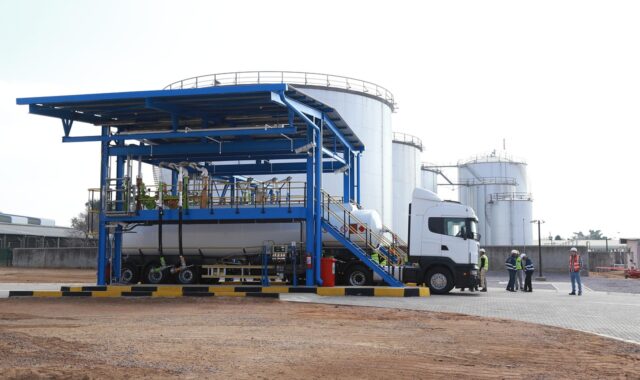
How Can Modular Storage Systems Make Chemical Storage Safer and Easier to Expand?

Why Are Modular Storage Systems a Strong Fit for Chemical Equipment Sites?
On a chemical equipment site, storage is almost never a side issue. Drums arrive before a batch change, totes move between process areas, spare valves sit next to gasket kits, and one pallet in the wrong place can block an aisle when people are already under pressure. Well-planned modular storage systems give you a practical way to split, extend, and service storage areas without rebuilding the whole room each time production changes. The Storage Systems guidance on this site covers storage tanks, containment, and handling, which is the usual mix when chemicals, equipment parts, and site traffic share the same floor.
Changeable Capacity for Moving Project Loads
Fixed storage can look cheaper at the start, but chemical projects do not always stay the same. A pilot line may start with twenty drums, move to intermediate bulk containers, and later add returnable containers after the customer changes the packing method. A modular layout lets you add racks, bunded pallets, cabinets, transfer stands, or labeled bays step by step. You can keep fast-moving items close to the process and move slow stock to a rear zone, and that saves real walking time during shift handover when operators still need to check labels, lot numbers, and expiration dates.

Better Segregation for Incompatible Materials
Segregation is not just something written in the safety file. Acids, caustics, oxidizers, solvents, oils, and water-reactive materials need clear distance, different trays, or separate cabinets. Modular storage helps you set up physical breaks that workers can see without guessing. Color-coded spill decks, cabinet groups, and aisle signs also reduce the chance that a new delivery is placed in the nearest open space, which is often the wrong space in a chemical plant.
Cleaner Access for Handling and Inspection
Inspection becomes more important when stock moves in and out often. A modular system can leave small working gaps for visual checks, valve access, sump cleaning, and label scanning. If pumps, hoses, gaskets, and portable tanks are stored near raw materials, clean spare parts and dirty returns should sit in separate modules. A small return cage may look ordinary, but it keeps contaminated hoses off clean shelves and can save a lot of troubleshooting later.
What Safety Numbers Should Shape Your Storage Layout?
Good storage design starts with the hazard, not with the furniture. Public data cannot describe the exact risk inside your plant, but it does show why layout, access, and handling deserve attention. Use the numbers below as reference, then check every decision against your chemicals, containers, floor slope, fire code, and local rules.
BLS Injury Data Shows the Cost of Poor Flow
The U.S. Bureau of Labor Statistics industry profile for Warehousing and Storage, NAICS 493, reported 32 fatalities in 2024 and a total recordable injury and illness rate of 4.8 cases per 100 full-time workers. Source: U.S. Bureau of Labor Statistics, Warehousing and Storage industry profile, data reviewed August 2026. Chemical storage is not the same as general warehousing, but the comparison still has value. Many injuries come from daily actions that look routine: lifting, turning, reversing vehicles, reaching, stacking, and clearing blocked aisles, so a storage system that cuts travel, keeps loads at better heights, and separates people from forklifts is doing more than making the floor look tidy.
EPA Containment Rules Point to Spill Planning
For oil storage facilities subject to SPCC rules, the U.S. Environmental Protection Agency states that bulk storage container installations need secondary containment for the full capacity of the largest single container plus freeboard for precipitation. Source: U.S. EPA SPCC guidance, updated May 11, 2026. This rule does not cover every chemical in every country, but it gives buyers a useful design principle: plan containment before a leak happens. With modular systems, you can group containers by risk and add common collection areas, bunded pallets, sump modules, or drain isolation where they are needed. Do not wait until equipment is bolted down before asking where leaked liquid will run.
OSHA Flammable Liquid Limits Set Clear Boundaries
For flammable liquids in U.S. workplaces, OSHA 29 CFR 1910.106 sets cabinet capacity limits, including not more than 60 gallons of Category 1, 2, or 3 flammable liquids and not more than 120 gallons of Category 4 flammable liquids in a storage cabinet. OSHA also clarifies that mixed flammable and combustible liquid storage in a cabinet should not exceed 120 gallons in total. Source: OSHA 1910.106 and OSHA interpretation letter dated October 26, 2011. If your site handles solvents or solvent-based cleaners, these limits affect cabinet count, bay size, and refill frequency. A modular plan makes those boundaries easy to see on the floor instead of leaving them buried in a spreadsheet.
How Should You Match Modules to Chemicals, Tanks, and Containers?
Choosing modules only by catalog size is a risky shortcut. It is better to list what you store, how it moves, and what happens if the package fails. Ask the maintenance team as well. They usually know which tote valve drips, which pump skid needs two people, and which corner always collects dust.
Product Form Comes First
Start with the form of the material. A sealed 20-liter pail, a 55-gallon drum, a 1,000-liter IBC, and a horizontal day tank all need different support. Pails may need shelf lips and trays, while drums may need rollers, cradles, or pallet positions. IBCs need floor loading checks and forklift access, and small spare parts such as seals and spray nozzles need clean bins rather than chemical bunds. If your storage list mixes raw materials with equipment spares, split them into zones before asking for a price.
Compatibility Drives the Material Choice
Material choice should follow the chemical, the cleaning method, and the room condition. Carbon steel works for many dry mechanical parts, but corrosive liquids may need coated steel, stainless steel, polyethylene trays, or fiberglass-reinforced plastic. Outdoor modules need checks for UV, rain, wind, and anchoring. Indoor wet rooms need surfaces that can be washed without holding residue, and a glossy coating is not enough if forklift forks chip it in the first month.
Drainage and Venting Need Early Space
Drainage and venting are often left until late, and that creates problems. Leave room for spill paths, removable grates, sump access, exhaust points, and safe transfer stations. OSHA 1910.106 notes that ventilation for flammable liquids is meant to prevent dangerous vapor-air mixtures from building up. Source: OSHA 29 CFR 1910.106. This does not mean every cabinet needs the same vent setup, but safety, engineering, and local code review should be part of the layout stage. Small changes on paper cost little compared with changes after installation.
Which Design Details Make Daily Work Easier?
A storage system works only when people can use it on a busy day. If labels are hard to read, aisles are tight, or inspection points sit behind stacked containers, the layout will slowly break down. Simple design details matter because operators touch them every shift.
Label Zones Workers Can Read Fast
Use large zone labels, chemical group names, and simple numbering. Put labels where both a forklift driver and a walking operator can see them. Keep the label field away from splash zones and worn edges. For export projects, bilingual labels may be useful if the site team needs them. The aim is quick placement, so receiving staff can tell where a drum belongs without making several calls.
Forklift Paths Need Real Clearance
OSHA powered industrial truck rules require operator training matched to workplace hazards, including pedestrian traffic, narrow aisles, hazardous locations, ramps, and other site conditions. Source: OSHA 29 CFR 1910.178. Your storage system should support that training with enough physical space. Mark turn zones, avoid blind intersections, and keep emergency equipment clear. Do not design aisles to the smallest number on paper if drivers handle tall IBCs or long pump skids, because real loads sway, floors are not always level, and people get tired near the end of a shift.
Inspection Points Stay at Hand Height
Place valves, labels, gauges, sample points, and drain plugs where a person can inspect them without climbing over stock. For modular tank or drum systems, keep shutoff points visible from the main aisle. If workers need a ladder for a daily check, that check may not happen as often as the procedure says. A better layout keeps frequent checks at hand height and leaves ladders for planned maintenance. See also: Process Equipment.
How Do Modular Storage Systems Compare with Fixed Storage Rooms?
Modular storage is not the right answer for every case. Fixed rooms, permanent tank farms, and built-in containment areas can be better for high-volume production that hardly changes. The real question is how much change your site expects, and how much disruption you can accept when that change comes.
Lower Disruption During Expansion
Modular systems often make more sense when capacity grows in steps. You can add another bunded pallet line, install a second cabinet group, or extend a parts rack without moving every item in the room. For a toll manufacturer or a site handling seasonal chemicals, that flexibility has real value. It also helps when customer audits ask for clearer segregation, because you can rework modules and show a cleaner layout instead of simply saying the room is full.
Stronger Control Over Small Batch Changes
Small batch work creates mixed storage needs: part bags, part drums, part quarantine stock, and part returned containers. Modular bays help give each status its own place. Use separate areas for approved, pending inspection, rejected, empty, and returned containers. Inventory checks become easier, and questionable material is less likely to enter the production stream. A fixed room can also do this, but modular partitions and movable containment usually make the change faster.
Fixed Rooms Still Suit Stable High Volume Work
If you store one solvent in bulk every day for ten years, a fixed tank and dedicated containment may be the better choice. Permanent rooms can also be easier to connect to fire systems, ventilation, drainage, and access control. Many good projects use both types. Fixed storage handles core bulk materials, while modular storage covers additives, maintenance chemicals, samples, and spare equipment.
What Should You Check Before Buying?
A useful purchase checklist helps avoid two common mistakes: buying light equipment because it looks neat, or buying heavy equipment that does not match the workflow. Before you approve drawings, walk the route from receiving to storage to production. Measure door widths, floor load limits, turning areas, drain locations, and emergency exits. After that, check the documents.
Load Ratings and Documentation
Ask for rated loads per shelf, bay, pallet position, cabinet, and containment tray. Check whether the ratings apply to evenly distributed loads or point loads. For IBCs and drums, confirm that the floor can handle both static load and handling impact. Documentation should include material grades, coating details, assembly instructions, anchoring notes, and maintenance guidance. If the supplier cannot explain the rating clearly, the number is not very useful.
Surface Protection and Cleanability
Chemical storage gets dirty in normal work. Choose surfaces that your team can wipe, rinse, or inspect without extra effort. Avoid hidden seams where liquid can sit. For corrosive service, ask how the coating behaves after scratches, not only how it performs in a brochure test. For food, pharma, or fine chemical support areas, cleanability can matter as much as strength. A shelf that holds the load but traps residue is still a poor shelf.
Supplier Support for Layout Changes
Modularity only helps if parts remain available later. Check whether you can buy extra beams, trays, spill decks, doors, labels, and connectors after the first order. Ask for layout drawings that can be updated when a new line starts. Also ask how the supplier handles replacement parts after normal wear. In chemical equipment projects, a missing tray or bent upright should not stop production for weeks.
FAQ
Q1: Are Modular Storage Systems Suitable for Hazardous Chemicals? A: Yes, if the modules match the chemical class, container size, containment need, ventilation plan, and local code. Hazardous chemicals still need compatibility checks and safety review before purchase.
Q2: How Much Secondary Containment Should You Plan? A: For SPCC-regulated oil storage in the United States, EPA guidance points to containment for the largest single container plus freeboard for precipitation. Other chemicals and regions may follow different rules, so confirm with your local authority and safety team.
Q3: Can Modular Storage Systems Replace a Fixed Tank Farm? A: Sometimes, but not always. Modular systems suit changing stock, small batches, and mixed containers. A fixed tank farm is usually better for large, stable, high-volume liquids with dedicated piping and controls.
Q4: What Is the Most Common Buying Mistake? A: Many buyers start with footprint and price before checking chemicals, load ratings, forklift paths, and spill control. That can create a neat-looking layout that fails in daily use.
Q5: How Often Should a Modular Storage Layout Be Reviewed? A: Review it whenever chemicals, packaging, batch size, traffic flow, or regulations change. For active chemical sites, a practical review every six to twelve months is a sensible starting point.