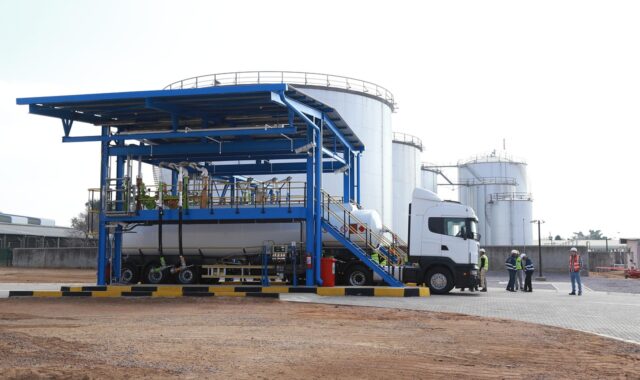
Flex storage systems for chemical storage and industrial warehouses

What flex storage systems mean in chemical storage
Flex storage systems are not a single piece of equipment. In chemical and industrial facilities, the term usually refers to a storage approach that can be expanded, reconfigured or reassigned as inventory changes. It may include adjustable pallet racking, modular shelving, IBC and drum storage zones, spill containment pallets, portable tanks, segregated cabinets, mezzanine-supported storage, automated storage and retrieval systems, and warehouse software that tracks location, compatibility and stock rotation.
The main value is adaptability. A chemical plant, toll processor, laboratory supplier or industrial warehouse may need to handle seasonal demand, trial batches, varied packaging formats, changing customer orders and short production campaigns. A fixed storage layout can be efficient when products are predictable. A flexible layout becomes more useful when the mix of containers, hazard classes and handling routes changes often. For related category coverage, see storage systems on aizhika.com.

Flexibility, however, does not mean hazardous materials can be moved freely without engineering control. The storage system still has to respect chemical compatibility, fire protection design, rack loading, containment capacity, ventilation, emergency access and local authority requirements.
Why flexibility matters in chemical and industrial warehouses
Many warehouses are being asked to store more varied SKUs in less space while maintaining traceability and safety. Industry reporting from MHI and Deloitte on supply chain technology has pointed to strong interest in inventory optimization, robotics and automation over a five-year horizon. That matters for storage because digital systems only work well when the physical layout is structured enough to support accurate picking, put-away, inspection and segregation.
In chemical storage, flexibility is most valuable in four situations. First, the product mix changes frequently, as in contract manufacturing, formulation work or distribution. Second, container formats vary, including bottles, drums, totes, supersacks and palletized finished goods. Third, operations need temporary capacity for campaigns, maintenance shutdowns or delayed shipments. Fourth, the facility is moving toward digital inventory control but still needs manual access for sampling, inspection and emergency response.
The practical goal is not to make every aisle movable. It is to separate what should remain permanent from what can be adjustable. Fire-rated rooms, tank farms, major pipe routes and diked areas are usually treated as fixed infrastructure. Beam elevations, shelving bays, containment modules, barcode locations, picking lanes and staging areas can often be designed with more flexibility.
Core components of a flexible chemical storage layout
Adjustable racks and shelving
Racking and shelving are often the visible backbone of flex storage systems. Adjustable beam levels help a warehouse adapt to different pallet heights, drum pallets, cartons or intermediate containers. For industrial steel storage racks, ANSI MH16.1-2023 is a key U.S. consensus reference for design, testing and utilization. It covers several rack types, including pallet-flow racks, case-flow racks, pick modules, rack-supported platforms and automated storage and retrieval rack structures.
For chemical operations, rack flexibility should be paired with disciplined load control. Load plaques, bay capacity, beam capacity, upright protection, anchoring, damage inspection and forklift impact protection are not optional details. A rack that can be reconfigured should still have updated capacity information after meaningful layout changes. When chemicals are stored above floor level, a dropped container or rack collapse can lead to both injury and release response.
Drum, IBC and portable tank zones
Drums, IBCs and portable tanks make flexible inventory easier because they are more movable than fixed bulk tanks. They also create a greater need for compatibility checks, secondary containment and clear labeling. A sound flexible layout separates receiving, quarantine, approved inventory, dispensing, returns and waste accumulation so containers do not drift into unsafe mixed storage.
Materials of construction matter. Stainless steel, carbon steel, polyethylene, fluoropolymer-lined containers and flexible bladders each have limits related to chemical compatibility, temperature, UV exposure, permeation, cleaning and mechanical abuse. The storage system should start with the safety data sheet and compatibility data, not with a generic container size.
Containment and spill control modules
Secondary containment is one area where flexibility can create both benefits and mistakes. Modular spill pallets, containment decks, cabinet sumps and portable berms can support changing storage needs, but they must be sized and used correctly. For oil storage at facilities subject to the U.S. SPCC rule, EPA guidance refers to containment or diversionary structures or equipment intended to prevent discharges. For hazardous chemicals outside SPCC oil requirements, local fire code, environmental rules and company standards may still require spill control and containment.
A common error is to treat containment volume as the only question. Chemical compatibility with the sump material, forklift clearance, drain closure, rainwater management, inspection access and fire protection also affect whether a flexible containment module is suitable.
Digital location control
Warehouse management systems, barcode labels, RFID tags and sensors can improve flexible storage only when they reflect the physical reality of the facility. Digital slotting should include location type, capacity, chemical family, temperature requirement, status, inspection date and restrictions. If software allows an oxidizer, acid, solvent or reactive material to be assigned to any open space, the system is flexible in the wrong way.
Safety and compliance boundaries that should not be flexible
The most important design rule is simple: the storage layout may be flexible, but hazard controls must remain fixed in purpose. OSHA’s general material handling rule at 29 CFR 1910.176 requires storage of material in a way that does not create hazards, including stable stacking and secure tiers. OSHA’s flammable liquids rule at 29 CFR 1910.106 includes specific requirements for flammable liquid storage, including capacity limits for approved storage cabinets. NFPA 30, Flammable and Combustible Liquids Code, is widely used by fire protection professionals and authorities having jurisdiction for ignitible liquid storage, dispensing, handling and related fire protection criteria.
These references do not mean one generic design will fit every facility. They show the types of questions that must be answered before a storage zone is changed. What liquid class is being stored? What container size is used? Is the area sprinklered? Are quantities below or above control area limits? Is the room rated for the hazard? Are incompatible chemicals separated? Can emergency responders access the aisle? Has the authority having jurisdiction approved the arrangement? See also: Pumps and Valves.
For chemical equipment planning, the safest form of flexibility is pre-approved flexibility. The facility defines approved storage families, allowable container sizes, rack loading limits, maximum quantities, compatible containment materials and emergency access requirements before operators start moving inventory.
Flex storage systems vs fixed storage layouts
| Design question | Flexible storage approach | Fixed storage approach |
|---|---|---|
| Best suited use | Variable SKUs, mixed packaging, campaign production, distribution and pilot-scale operations | Stable high-volume products, bulk liquids, dedicated hazardous rooms and long-term production lines |
| Typical equipment | Adjustable racks, modular shelving, spill pallets, movable partitions, WMS-controlled locations | Fixed tanks, permanent dikes, hard-piped transfer systems, fire-rated rooms, dedicated process storage |
| Main advantage | Adapts to changing demand without major civil work | Provides predictable controls for repeated high-volume storage |
| Main risk | Unsafe reassignment of incompatible or overweight inventory if rules are weak | Low adaptability when product mix or packaging changes |
| Best control | Predefined storage classes, capacity labels, inspection routines and digital restrictions | Engineering design review, permanent containment and process-specific operating procedures |
The comparison shows why many facilities use a hybrid model. Bulk raw materials may stay in fixed tankage, while finished goods, maintenance chemicals, lab packs and customer-specific batches use flexible storage. This avoids overbuilding every storage area while keeping the highest-risk materials in dedicated engineered spaces.
How to specify a flexible storage system
A useful specification should describe more than dimensions. It should define the operating envelope of the storage system. Before purchasing racks, containment units or modular cabinets, planners should document the materials, package types, handling equipment and compliance assumptions.
- Classify the inventory. Group materials by hazard, compatibility, temperature sensitivity, container type, weight and turnover rate.
- Define what can change. Beam levels, pick locations and staging lanes may be adjustable; fire separations, egress paths and containment design limits should not be changed casually.
- Check rack and floor capacity. Include pallet weight, liquid movement, concentrated loads, mezzanine limits and forklift impact exposure.
- Size containment for realistic releases. Consider the largest container, grouped containers, rainfall if outdoors, sump compatibility and how spilled liquid will be removed.
- Preserve segregation. Incompatible chemicals should have physical separation, not just different labels on the same rack bay.
- Coordinate with fire protection. Storage height, aisle width, commodity classification, container material and sprinkler design must be evaluated together.
- Build inspection into the design. Operators should be able to see labels, check leaks, verify rack damage and access emergency equipment without dismantling the storage layout.
For projects involving flammable liquids, combustible liquids, oxidizers, corrosives, toxic materials or reactive chemicals, a qualified engineer, environmental health and safety professional and local authority should review the design before installation. Flexible storage saves time only when it prevents rework rather than creating hidden compliance problems.
Where flexible storage creates real value
The strongest business case usually comes from reducing dead space and avoiding repeated layout reconstruction. Adjustable racks can accommodate changing pallet heights. Modular containment can support short-term campaigns. Barcode-controlled locations can improve inventory accuracy. Dedicated quarantine and return zones can reduce confusion between approved, rejected and waste materials. In distribution, flow racks or selective racks can improve stock rotation when products have batch numbers, expiration dates or first-in, first-out requirements.
The value is not only space utilization. A well-designed flexible layout can make audits easier because the site can show why each material belongs in a specific zone. It can reduce handling distance by placing fast-moving products closer to shipping or production. It can also reduce emergency response uncertainty by keeping storage families consistent even when individual SKUs change.
There are limits. Flex storage systems cannot compensate for poor housekeeping, missing safety data, damaged racks, unlabeled containers, blocked aisles or inadequate fire protection. If the operation frequently overrides its own location rules, the system is not truly flexible; it is uncontrolled.
Frequently asked questions
Are flex storage systems suitable for hazardous chemicals?
They can be suitable when the flexible elements are designed around hazard classification, compatibility, containment, ventilation, rack capacity and fire protection. They are not suitable if “flexible” means any chemical can be placed in any open location.
Can flexible racks replace a dedicated flammable liquid storage room?
Usually no. Racks can be part of an approved storage arrangement, but flammable and combustible liquid storage may require cabinets, control areas, liquid storage rooms, quantity limits, spill control and fire protection features depending on the material and volume.
What is the difference between flexible storage and mobile storage?
Flexible storage is a broader design idea. It may include adjustable, modular, expandable or digitally controlled storage. Mobile storage specifically refers to equipment that moves, such as mobile shelving, portable tanks, carts or movable rack systems.
What should be checked before reconfiguring a storage area?
Check rack capacity, floor loading, sprinkler clearance, aisle width, egress, containment, chemical compatibility, labeling, ventilation, forklift routes and any permit or authority requirements. Reconfiguration should update drawings, location rules and capacity labels where needed.
Do flex storage systems reduce compliance work?
They can reduce repetitive layout work, but they do not remove compliance obligations. The best systems make compliance easier by embedding approved storage classes, capacity limits, inspection access and segregation rules into the layout.