Lone worker safety solutions for chemical and industrial facilities
Why lone work needs a system, not just a device
Lone worker safety solutions work best when they combine practical procedures, reliable communication, alarm escalation, worker training and emergency response. For chemical and industrial facilities, the key question is not simply which app, wearable or radio to buy. It is whether the task can safely be done by one person, what could stop that person from calling for help, and how quickly the site can respond if something goes wrong. Public guidance from OSHA, NIOSH and the UK Health and Safety Executive points in the same direction: working alone becomes higher risk when a worker cannot be seen or heard, assistance is not readily available, or supervision depends on delayed check-ins.
That makes lone worker protection a Safety Systems issue, not a standalone device decision. A sound program starts with a task-specific risk assessment, then selects the simplest reliable controls for the environment. Depending on the work, that may mean a buddy system, a check-in schedule, a two-way radio, a gas detector, a panic button, a fall detection wearable, a vehicle-based device or a monitored mobile application.
Who counts as a lone worker in industrial operations
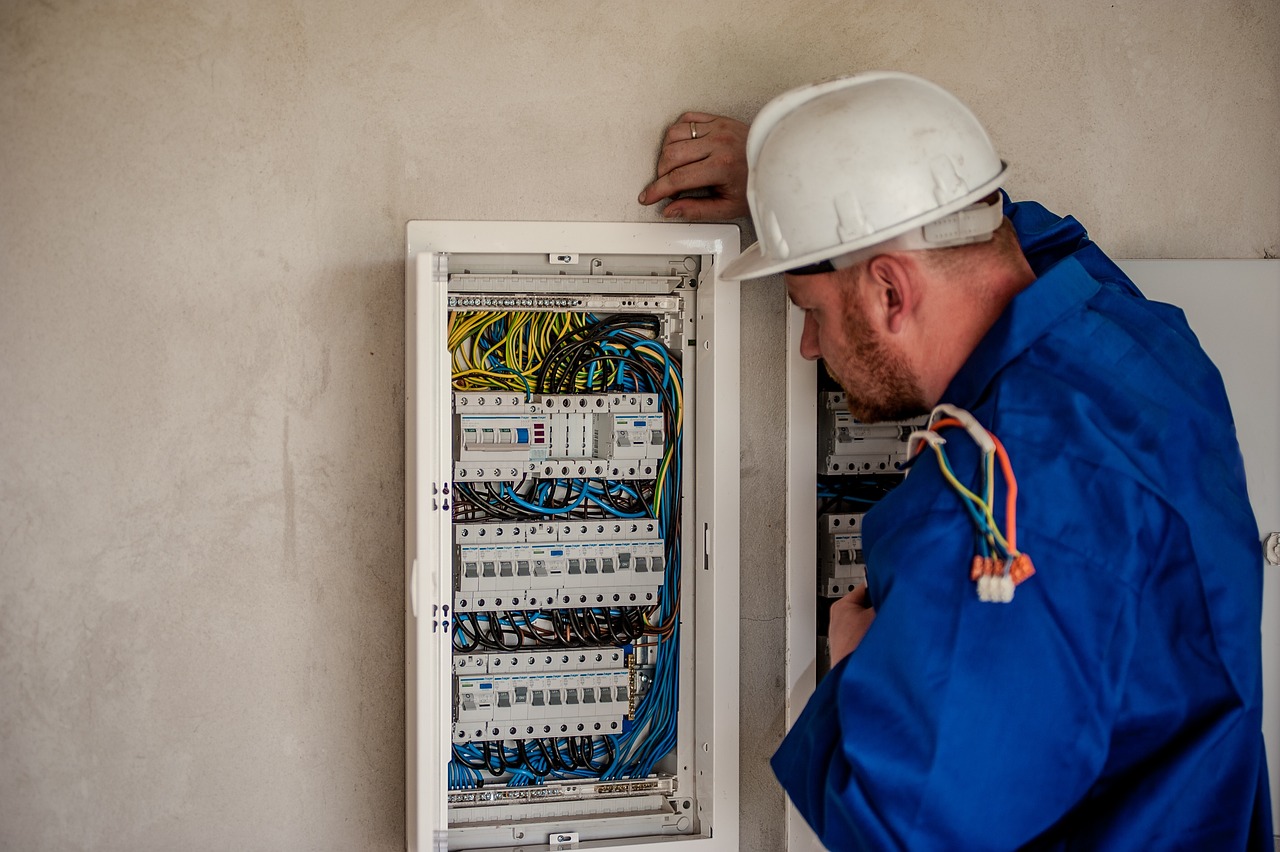
A lone worker is not always someone completely alone at a remote site. In practical safety management, the term can include anyone working without close or direct supervision who may not receive immediate help during an incident. NIOSH has described lone work as a potentially hazardous condition where the person cannot be seen or heard by another worker and assistance is not readily available. The UK HSE similarly treats lone working as work without close or direct supervision.
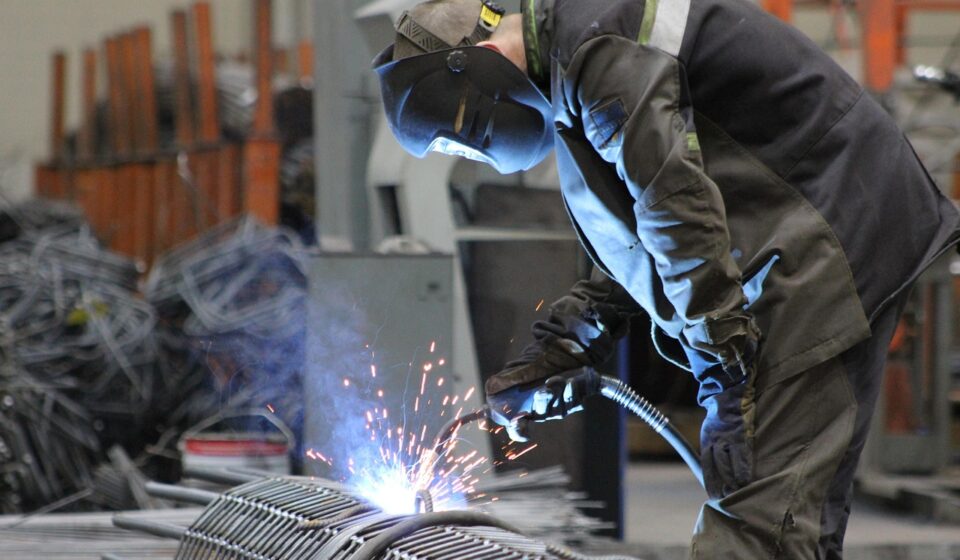
In chemical and process-related facilities, lone workers may include maintenance technicians inspecting pumps after hours, operators taking readings in a tank farm, utilities staff working in a remote boiler house, drivers handling chemical deliveries, security staff patrolling at night, laboratory staff working outside normal shifts, and contractors performing cleaning or minor repairs away from the main crew. Some of these jobs may look routine, but the risk changes when the worker is exposed to toxic vapors, oxygen deficiency, heat stress, moving machinery, electrical equipment, slippery surfaces, confined spaces, vehicle movement or workplace violence.
Regulatory duties vary by jurisdiction and by task. In the United States, OSHA states that there is no single general OSHA standard covering every situation of working alone, although specific requirements can apply in areas such as permit-required confined spaces, emergency response, shipyard employment and other regulated hazards. That distinction matters. A company should not assume that a lone worker device automatically satisfies all legal obligations; it still has to evaluate the actual hazards and applicable standards.
Start with a risk assessment before choosing equipment
The most useful lone worker program begins with a written assessment of where lone work occurs, why it occurs and whether it can be reduced. The assessment should cover the task, the worker, the location, the time of day, foreseeable abnormal conditions and the response resources available. A low-risk task in a well-lit office may only need a simple check-out procedure. A sampling task near a chemical storage area may require gas detection, two-way communication, defined escalation and a trained responder who can reach the worker quickly.
Key questions include:
- Can the work be scheduled when another competent person is nearby?
- Could the worker be injured, overcome by gas, trapped, shocked, burned, assaulted or unable to speak?
- Does the location have reliable mobile coverage, radio coverage, Wi-Fi or satellite communication?
- How often should the worker confirm that they are safe?
- Who receives alarms, and are they trained and authorized to act?
- What is the expected response time, and is it realistic for the hazard?
- Does the task trigger other safety requirements, such as confined space entry, lockout, hot work, respiratory protection or process safety procedures?
The decision should follow the hierarchy of controls. If a task is high risk, the first option should be to eliminate solo work or redesign the task. Technology should support the control strategy; it should not be used to justify unsafe isolation.
The main layers of lone worker safety solutions
Lone worker protection is strongest when several layers support each other. The right mix depends on the hazard profile, site layout and emergency response capability.
| Layer | Purpose | Industrial considerations |
|---|---|---|
| Work design | Remove or reduce the need for solo work | Schedule inspections, deliveries and maintenance during staffed periods where possible |
| Procedures | Define check-ins, permissions, stop-work rules and escalation | Align with permits, lockout, confined space and emergency action procedures |
| Communication | Keep the worker connected with supervision or a monitoring center | Test coverage in basements, tank farms, pipe racks, metal structures and remote yards |
| Automatic alarms | Detect events when the worker cannot manually call for help | Consider fall detection, no-motion alerts, missed check-ins and gas alarms |
| Location information | Help responders find the worker quickly | Outdoor GPS may not work indoors; indoor beacons or zone-based location may be needed |
| Emergency response | Convert an alarm into timely action | Escalation must identify who responds, what they bring and when outside emergency services are called |
| Review and improvement | Use drills and incidents to refine the system | Track false alarms, missed check-ins, coverage gaps and response times |
This layered model helps prevent a common mistake: treating the device as the program. A panic button is useful only if the worker can reach it, the signal transmits, the receiver understands the alarm, and responders can enter the area safely.
How to match technology to the hazard
Mobile lone worker apps
Mobile apps are often suitable for workers who already carry smartphones and operate in areas with dependable cellular or Wi-Fi coverage. They can support scheduled check-ins, overdue alerts, GPS location, escalation contacts and, in some systems, fall or motion detection. Their limitations matter in industrial settings. Phones may be left in vehicles, batteries may fail, gloves can make screens difficult to use, and coverage can drop around vessels, thick walls or below-grade areas.
Wearable panic buttons and man-down devices
Wearables can be more practical where workers need hands-free access to an alarm. A dedicated device worn on the body may be easier to activate during a fall, attack, medical event or chemical exposure. Automatic no-motion and tilt alerts can help when the worker is unable to speak. However, automatic alarms need careful tuning. Too many false alarms can reduce trust, while thresholds that are too insensitive can miss real events.
Gas detectors and connected monitoring
In chemical facilities, personal gas detection may be essential where toxic, flammable or oxygen-deficient atmospheres could occur. A connected gas detector can transmit alarms to a control room or monitoring platform, but it must be selected for the actual gases, then calibrated and bump-tested according to the program requirements. It also should not replace atmospheric testing or permit controls where those are required.
Two-way radios, satellite devices and vehicle units
Two-way radios remain valuable in plants where radio infrastructure is more reliable than mobile networks. Remote sites may require satellite messengers or vehicle-mounted systems. For drivers and field service workers, vehicle telematics can support route visibility, emergency buttons and missed arrival alerts. The key is to test the communication path under real working conditions, not only at a desk or during procurement demonstrations.
Special issues for chemical equipment and process facilities
Chemical and industrial sites have conditions that make lone working different from office, retail or general field work. Metal structures can block signals. Hazardous areas may restrict the type of electronic device that can be used. A worker may wear gloves, hearing protection, face shields or respiratory protection that interfere with speech and device operation. Noise can mask audible alarms. Decontamination procedures may delay rescue. Some tasks cannot be safely interrupted until equipment is stabilized.
Permit-required confined spaces require particular caution. OSHA confined space rules for general industry include requirements for entry programs, attendants, communication, rescue and emergency arrangements when a space meets the permit-required definition. A lone worker app is not a substitute for a required attendant or rescue plan. If a worker could enter a vessel, pit, tank, sewer, vault or other space with atmospheric or engulfment hazards, the site should treat the task under the applicable confined space procedure before considering any lone worker technology. See also: Storage Systems.
Process safety management can also affect the design of lone worker procedures. In processes covered by OSHA PSM requirements, emergency planning, employee participation, operating procedures and process hazard analysis are part of the broader safety system. For lone work near covered processes, the assessment should consider credible release scenarios, alarm response, evacuation routes, communication with the control room and the need for workers with process-specific knowledge.
Implementation steps that make the program credible
A practical rollout should be staged. First, map where lone work occurs and separate routine low-risk tasks from higher-risk tasks. Second, decide which tasks should no longer be done alone. Third, define procedures before equipment is issued. Workers should know when to start a lone work session, how to check in, how to cancel an alarm, what counts as an emergency and when they have authority to stop work.
Training should include realistic scenarios, not only software instructions. For example, a technician should practice raising an alarm while wearing gloves, hearing protection and chemical splash protection. Supervisors should practice receiving an alarm, identifying the location, making contact, escalating to on-site response and documenting the event. If a third-party monitoring center is used, the site should verify that responders receive site-specific instructions, not generic call scripts.
Privacy and trust should be addressed openly. Location monitoring should be explained as a safety control, with clear rules on when data is collected, who can see it and how long it is retained. Worker participation is not only good practice; it also improves accuracy. Operators and maintenance staff usually know where communication fails, which alarms are hard to hear and which routes responders actually use.
Verification is the final step. Test devices in basements, warehouses, tank farms, process units, loading bays, laboratories and remote yards. Run drills outside normal hours if lone work occurs then. Track response time, alarm reliability, missed check-ins, user feedback and nuisance alarms. Update the risk assessment after incidents, near misses, process changes, layout changes, new chemicals or staffing changes.
Procurement checklist for lone worker safety solutions
When comparing systems, avoid focusing only on subscription cost or a long feature list. Ask vendors and internal stakeholders practical questions that connect the technology to the risk assessment:
- Does the device work in hazardous or classified areas where applicable?
- Can alarms reach the right people if mobile coverage is weak?
- Does the system support manual panic alarms, automatic no-motion alerts and scheduled check-ins?
- Can it identify the worker location accurately enough for a responder to act?
- How are alarms escalated if the first contact does not answer?
- Can the system integrate with control room procedures, radios or emergency response workflows?
- What testing, calibration, battery management and maintenance are required?
- How are contractors, temporary workers and visitors handled?
- What records are available for audits, incident reviews and program improvement?
- Can the solution be piloted in the highest-risk areas before wider deployment?
The right answer may differ across one facility. A laboratory worker may need a timed check-in app. A tank farm operator may need a rugged radio and gas detector. A night security patrol may need GPS-based monitoring. A confined space entrant may need a permit-required confined space system with an attendant and rescue arrangements, not a conventional lone worker setup.
Frequently asked questions
Are lone worker safety solutions required by law?
Requirements depend on the jurisdiction, industry and task. In the United States, OSHA does not have one general standard for all lone work situations, but other standards may apply to the same task, such as emergency action plans, confined spaces, respiratory protection, PPE, process safety management or industry-specific rules. Employers should assess the specific hazards and legal duties rather than relying on the label lone worker alone.
Can a mobile app replace a buddy system?
Sometimes an app can support low-risk lone work, but it should not replace a second competent person where the risk assessment shows that immediate help, observation or rescue capability is needed. If the worker may be incapacitated quickly, lose communication or need physical assistance within minutes, a buddy system or other direct supervision may be necessary.
What is the biggest failure point in lone worker programs?
The most common failure point is weak escalation. A device may send an alarm, but the program fails if no one is monitoring it, the contact list is outdated, the location is unclear, or responders are not trained to enter the area safely. Reliable response planning is as important as alarm generation.
How often should lone worker procedures be reviewed?
Review procedures whenever tasks, chemicals, equipment, staffing, site layout or communication coverage change. They should also be reviewed after alarms, near misses, incidents, worker feedback or emergency drills. A scheduled annual review can help, but change-based review is more important in dynamic industrial environments.
What should small facilities do if they cannot afford advanced systems?
Smaller sites can still build a credible program by reducing unnecessary solo work, using written check-in and check-out procedures, assigning responsible contacts, testing basic communication methods, training workers on stop-work rules and documenting response actions. Technology can improve the program, but clear roles and reliable follow-through remain the foundation.