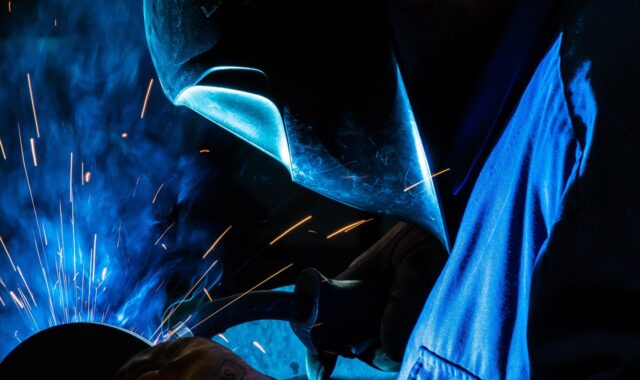
How to select fire and safety equipment for chemical processing facilities
Selection starts with a site-specific fire risk profile
Fire and safety equipment in a chemical processing facility should be selected as a layered system, not as a generic purchasing list. The right combination depends on what can burn, what can react, where people work, how equipment is maintained and how quickly an incident could escalate. For most sites, the practical objective is to prevent ignition where possible, detect abnormal conditions early, control a small event before it grows, protect workers during escape or response and keep evidence that the system will still function when needed.
This site-specific approach is especially important around reactors, mixers, dryers, storage tanks, transfer pumps, packaged chemical equipment, utility skids and maintenance areas. A small leak, dust layer, overheated bearing or incompatible material can change the required protection strategy. OSHA rules, NFPA codes, NIOSH guidance and Chemical Safety Board investigations point to a consistent lesson: equipment is effective only when it is matched to the hazard and supported by procedures, inspection and training.
Map each hazard to a protection layer
The most useful starting point is a hazard map. It should connect each credible fire or safety scenario to a prevention, detection, control and response layer. NIOSH describes the hierarchy of controls as elimination, substitution, engineering controls, administrative controls and personal protective equipment. In practical terms, PPE and portable equipment should not be expected to compensate for weak containment, inadequate ventilation or uncontrolled ignition sources.
| Facility condition | Relevant fire and safety equipment | Key selection question |
|---|---|---|
| Flammable liquid storage or transfer | Rated extinguishers, spill control, ventilation, bonding and grounding, detection and emergency shutoff | Can vapors accumulate near ignition sources or low points? |
| Combustible dust generation | Dust collection safeguards, explosion protection, housekeeping tools, spark detection and isolation where applicable | Has the dust been characterized for explosibility and ignition sensitivity? |
| Corrosive or toxic chemical handling | Emergency showers, eyewash stations, chemical-resistant PPE, alarms and clearly marked escape routes | Can workers reach emergency equipment quickly and safely? |
| Hot work and maintenance | Hot work permits, fire watch equipment, portable extinguishers, gas testing instruments and barriers | Are temporary tasks changing the normal fire risk? |
| Electrical equipment in hazardous areas | Appropriately rated electrical equipment, area classification documentation and inspection tools | Is the equipment suitable for the atmosphere it may encounter? |
| Emergency evacuation | Alarm systems, exit signage, emergency lighting, muster point communications and response supplies | Will people know what to do during loss of power, smoke or release? |
This table is not a substitute for engineering review, but it helps buyers avoid a common mistake: selecting individual products before defining the fire scenario those products are expected to control.
Core fire equipment and what it must prove
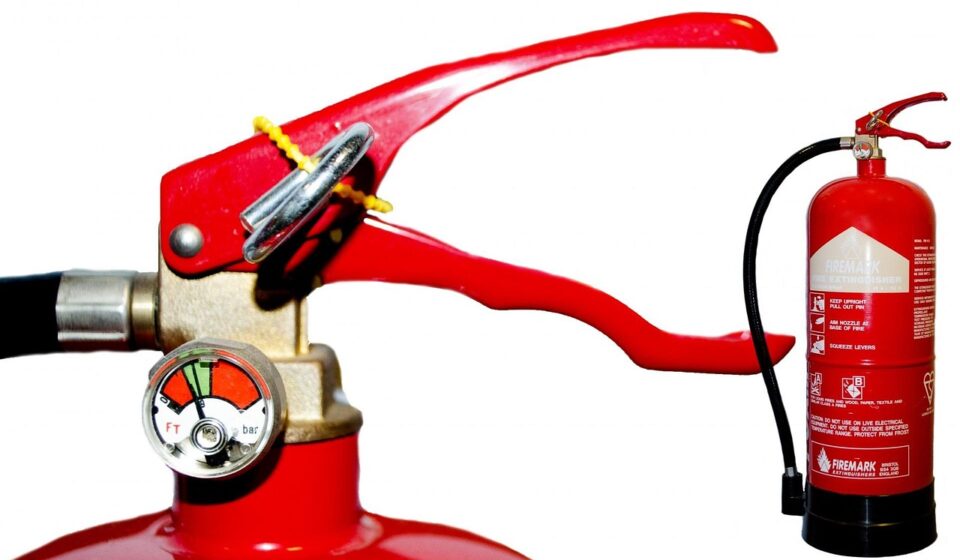
Portable fire extinguishers remain a visible part of many safety programs, but selection should be based on the likely fire class, agent compatibility, travel distance, mounting location and worker training. OSHA places responsibility on employers for inspection, maintenance and testing of workplace portable extinguishers. OSHA also requires monthly visual checks and annual maintenance checks when portable extinguishers are provided for employee use. NFPA 10 is the widely used standard for portable fire extinguishers; as of 2026, standards indexes list a 2026 edition, but facilities should verify which edition is adopted by their authority having jurisdiction.
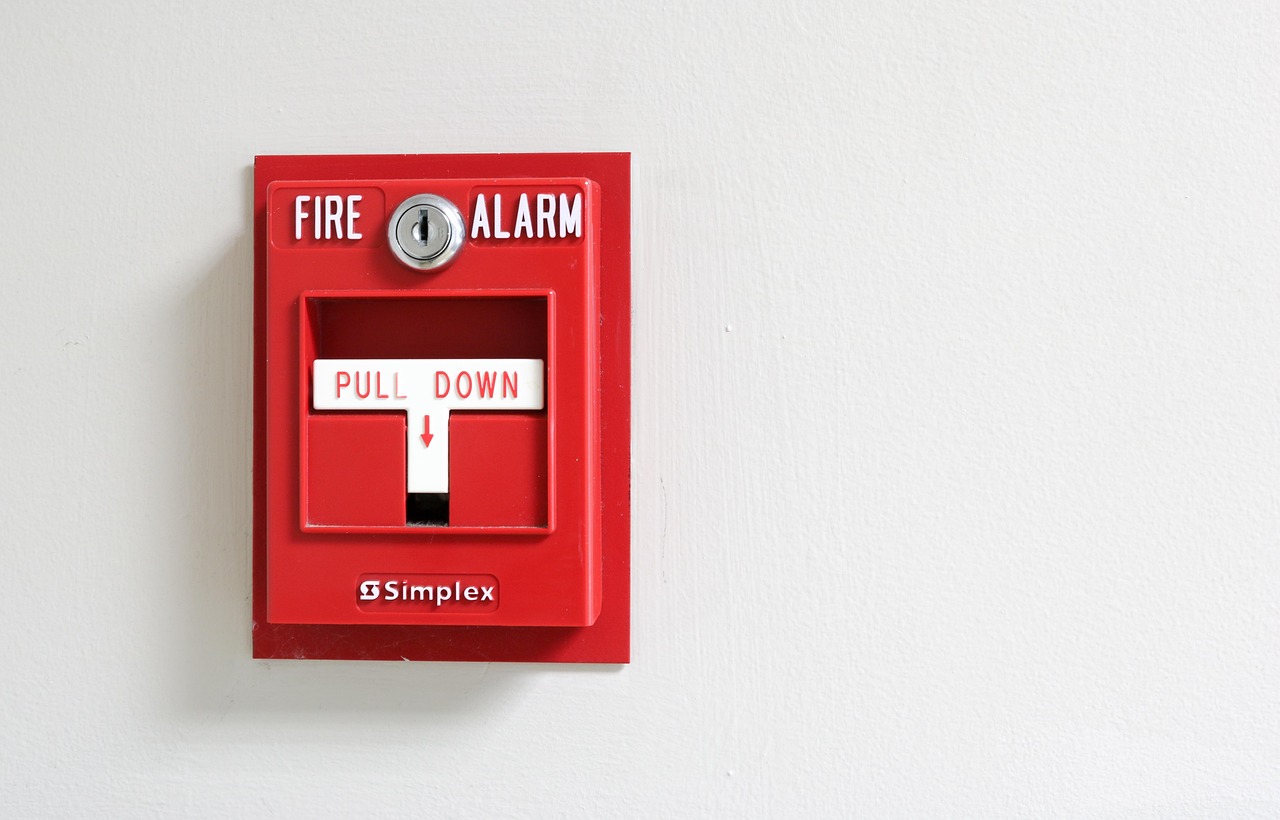
Detection and alarm equipment should be chosen for the environment, not only the building layout. Smoke detection may be unsuitable in dusty or vapor-rich zones, while heat, flame, gas or process-linked detection may be more appropriate in selected areas. NFPA 72 covers fire alarm and signaling system requirements, including inspection, testing and maintenance topics. For chemical facilities, the key procurement issue is often integration: alarms must be heard or seen where people work, and signals should connect logically with shutdown, evacuation and emergency response procedures.
Fixed fire protection may include water-based systems, foam systems, dry chemical systems, clean agent systems or special application suppression. The correct choice depends on fuel type, equipment geometry, occupied areas, drainage, environmental restrictions and whether applying water could spread contamination or create a reaction hazard. In some chemical equipment areas, passive measures such as fire-rated separation, drainage, spill containment and ventilation may reduce escalation more effectively than adding another device after the fact.
PPE and emergency safety equipment are last-line defenses
Personal protective equipment matters, but it should be treated as the final barrier between the worker and the hazard. Safety glasses, face shields, gloves, flame-resistant clothing, chemical suits, respirators, helmets and safety footwear must match the chemical, heat, splash, impact or inhalation risk. A glove that resists one solvent may fail quickly against another. A respirator without a fit test, cartridge change schedule and exposure basis is not a reliable control.
Emergency showers and eyewash stations are safety equipment rather than fire suppression equipment, but they belong in the same planning discussion because chemical releases and fires can overlap. Their placement should consider the chemical handling point, path of travel, doorways, stairs, obstructions, freezing risk, water supply and privacy. The equipment must also remain accessible; stored drums, hoses or temporary pallets can defeat an otherwise sound layout.
For readers comparing safety categories, more related articles are available in the Safety Systems section.
Inspection and maintenance decide whether equipment will work
A facility can buy high-quality equipment and still have weak protection if inspection records, maintenance intervals and impairment controls are missing. Fire protection equipment ages, detectors drift, extinguishers lose pressure, eyewash nozzles clog, alarm devices are blocked, batteries expire and emergency lights fail. The maintenance program should identify the owner, interval, acceptance criteria, record format and corrective action route for every critical item.
For portable extinguishers, OSHA requires visual inspections monthly and an annual maintenance check. For alarm and signaling systems, NFPA 72 is commonly used for inspection, testing and maintenance structure. For flammable liquids, OSHA 29 CFR 1910.106 addresses storage, ventilation and ignition control requirements, including ventilation expectations for inside storage rooms. These examples show why maintenance cannot be separated from code review: the equipment list, inspection duty and facility design requirement often sit in different documents.
A practical inspection program should include:
- A current equipment register with asset numbers, locations and responsible departments.
- Monthly field checks for blocked access, missing signage, corrosion, pressure loss, damaged hoses and expired tags.
- Scheduled service by qualified personnel for extinguishers, suppression systems, alarms, gas detectors and emergency lighting.
- Calibration records for gas detection and monitoring instruments.
- An impairment procedure for taking a system offline, adding temporary controls and restoring protection.
- A management of change review when processes, chemicals, production rates or layouts change.
Procurement questions before buying or upgrading equipment
Buying fire and safety equipment for chemical processing should be a technical decision, not only a price comparison. The procurement team should ask whether the proposed equipment is suitable for the chemical environment, compatible with cleaning agents and process vapors, supported by local service capability and acceptable to insurers and the authority having jurisdiction. See also: Storage Systems.
Important questions include:
- What fire class, chemical exposure, temperature range, dust condition or hazardous area classification applies?
- Is the equipment listed, approved or otherwise recognized for the intended use?
- Can the item be inspected, tested, calibrated and maintained without excessive downtime?
- Are spare parts, replacement agents, cartridges, batteries and seals available over the expected service life?
- Will alarms, shutdowns, ventilation, drainage and evacuation procedures work together?
- Does the equipment create secondary risks, such as water reaction, contamination, oxygen displacement or visibility loss?
- Who will train workers, maintain records and verify corrective actions after deficiencies are found?
These questions add value because many failures occur at the boundary between disciplines. Fire protection may be specified by one team, process equipment by another, electrical classification by a third and PPE by the safety department. A coordinated review reduces gaps between installed equipment and real operating conditions.
Common mistakes to avoid
One frequent mistake is over-standardizing portable extinguishers. A single extinguisher type may be convenient for purchasing, but it may not suit energized electrical equipment, metal fires, solvent hazards or sensitive process areas. Another mistake is treating combustible dust as only a housekeeping issue. The U.S. Chemical Safety Board has repeatedly highlighted combustible dust fires and explosions across industries including chemical, pharmaceutical, metal, food and paper processing. Dust hazard evaluation, collection system design, ignition control and worker training all matter.
A third mistake is buying detection equipment without a maintenance and calibration plan. Gas and flame detectors are not set-and-forget devices. Sensor type, location, alarm set point, cross-sensitivity, environmental contamination and proof testing all affect reliability. A fourth mistake is ignoring temporary work. Welding, cutting, equipment opening, line breaking and contractor activity can create fire risks that are not present during normal production.
The final mistake is poor documentation. If a facility cannot show why equipment was selected, when it was inspected, who serviced it and what deficiencies were corrected, the safety system becomes difficult to defend after an incident or audit.
Frequently asked questions
What is included in fire and safety equipment?
It can include fire extinguishers, detection and alarm systems, fixed suppression, emergency lighting, exit signs, spill response materials, gas detectors, emergency showers, eyewash stations, respiratory protection, protective clothing, gloves, helmets and communication equipment. The exact list depends on site hazards.
How often should portable fire extinguishers be inspected?
Under OSHA rules for workplace portable extinguishers, visual inspections are required monthly and maintenance checks are required annually. Additional servicing, internal maintenance or hydrostatic testing may apply depending on extinguisher type, condition and applicable standards.
Does every chemical facility need a fixed fire suppression system?
No. The need depends on the process, occupancy, chemicals, building design, fire load, local code, insurance requirements and engineering assessment. Some areas may need fixed suppression, while others may rely on prevention, separation, detection, portable extinguishers and evacuation.
Is PPE enough for chemical fire safety?
No. PPE is a last-line defense. It should support, not replace, elimination, substitution, containment, ventilation, ignition control, detection, alarms and emergency planning. PPE is effective only when selected for the hazard and supported by training, fit, inspection and replacement.
What records should a site keep?
Useful records include hazard assessments, equipment registers, inspection logs, maintenance certificates, calibration reports, alarm tests, training records, impairment permits, corrective actions and management of change reviews. These records help prove that the system is not only installed but actively controlled.