Valve and pump selection for chemical process systems

How to think about a valve and pump as one system
A valve and pump should not be specified as two unrelated pieces of chemical equipment. The pump supplies flow and head; valves isolate, regulate, direct, relieve, or prevent reverse flow. In a chemical process system, these functions interact continuously. A throttled control valve changes the pump operating point. A closed discharge valve can create heat and overpressure risk. A poorly placed check valve can increase the chance of water hammer or reverse rotation.
The practical selection question is therefore not simply “which pump?” or “which valve?” It is whether the complete hydraulic path can handle the fluid, duty cycle, pressure, temperature, corrosion risk, leakage expectations, and maintenance plan.
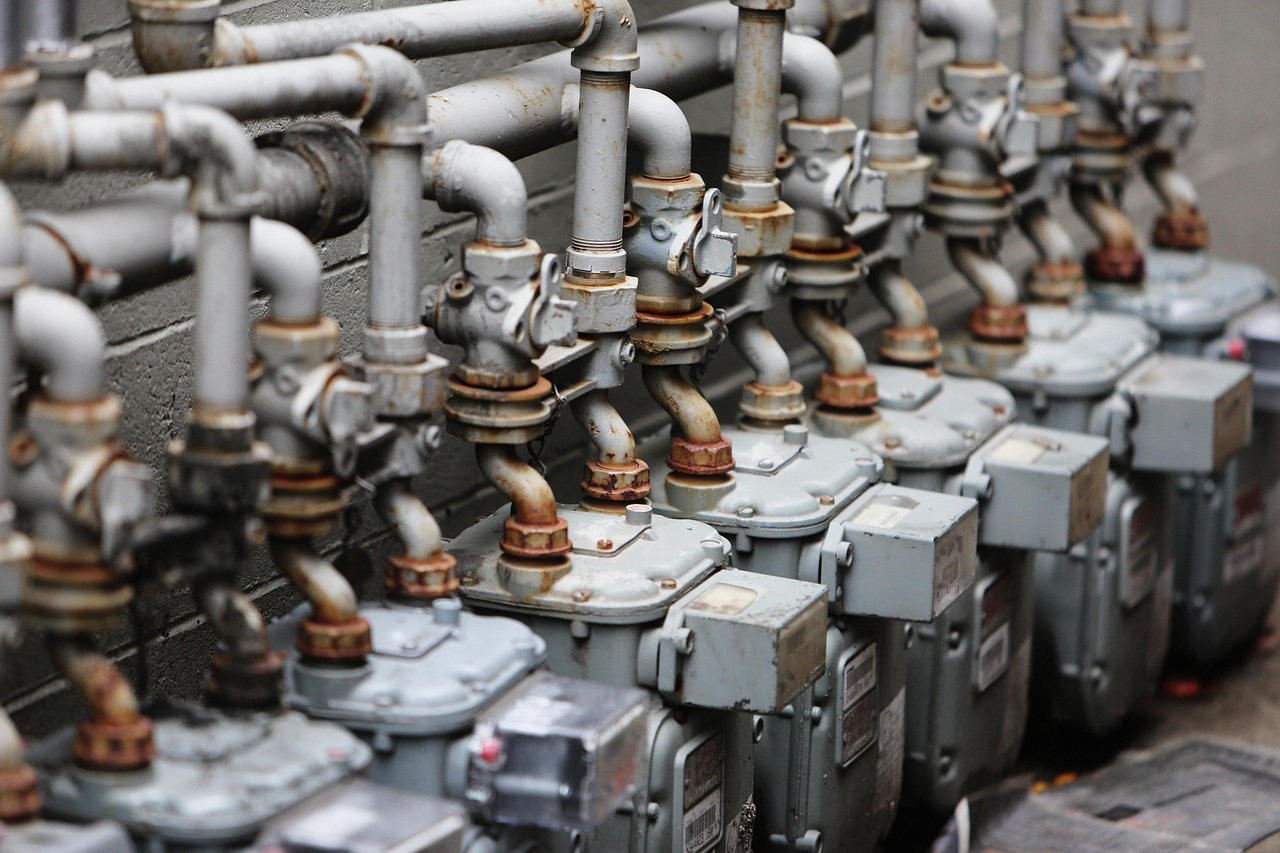
For more equipment topics in this category, see Pumps and Valves.
Why combined selection matters in chemical service
Chemical plants often handle fluids that are corrosive, toxic, volatile, viscous, abrasive, shear-sensitive, crystallizing, flammable, or temperature-sensitive. A pump that performs well on clean water may be unsuitable for a solvent blend, slurry, acid, caustic, polymer solution, or liquid close to its vapor pressure. The same applies to valves: a general-purpose ball valve may be acceptable for simple isolation, but not for severe throttling, flashing, abrasive slurry, or tight emissions control.
The valve and pump should be reviewed together because they share the same hydraulic and mechanical environment. Pump curves, system curves, valve pressure drop, pipe layout, elevation, suction conditions, and the downstream control strategy all affect one another. If one item is specified without the other, the system may still run, but not necessarily within the intended efficiency and reliability window.
Common results of disconnected selection include excessive vibration, cavitation, seal failures, unstable control, poor turndown, valve seat erosion, high noise, leakage, and unnecessary energy use. In higher-risk chemical service, the same issues can also contribute to fugitive emissions, overpressure events, contamination, or unplanned shutdowns.
Start with process data before choosing equipment type
A useful specification starts with process conditions, not with a catalog model. Before selecting a pump type or valve design, engineers should define the fluid and the required duty across the full operating envelope.
Fluid properties and compatibility
At minimum, the specification should identify the fluid name or composition, concentration range, specific gravity, viscosity, vapor pressure, temperature range, solids content, particle size, crystallization tendency, corrosivity, toxicity, flammability, and whether the fluid can polymerize or degrade under shear. These properties influence both pump hydraulics and valve internals.
Material selection should cover wetted metal parts, elastomers, gaskets, packing, coatings, linings, seal faces, and fasteners. In chemical service, a mismatch in a small component can be as disruptive as a mismatch in the casing or valve body. For example, an elastomer may be compatible with the main liquid at room temperature but unsuitable at elevated temperature or in the presence of a minor solvent component.
Duty point and operating range
The rated flow and head are only part of the duty definition. A complete pump inquiry also includes minimum continuous flow, normal flow, maximum flow, suction pressure, discharge pressure, static head, friction losses, elevation changes, startup and shutdown conditions, and whether the service is continuous, batch, intermittent, or standby.
For rotodynamic pumps, Hydraulic Institute guidance emphasizes net positive suction head margin and operation within appropriate regions around the best efficiency point. In practical terms, the system should provide enough suction energy to reduce cavitation risk, and the pump should not spend most of its life too far to the left or right of its intended operating range.
Control philosophy
The control method determines how the valve and pump behave together. A system using a variable frequency drive and a control valve has different pressure-drop and stability requirements than a fixed-speed pump with manual throttling. Batch transfer, dosing, recirculation, bypass, and pressure-control services each place different demands on the valves.
Before procurement, teams should clarify whether flow will be controlled by pump speed, a control valve, a bypass line, a metering pump stroke setting, or a combination. This helps prevent a common problem: buying a pump with more head than needed and then forcing a control valve to waste that excess head during normal operation.
Match valve functions to pump duties
Every valve near a pump should have a defined function. If the function is unclear, the valve may be incorrectly sized, installed in the wrong location, or maintained with the wrong priority.
| Valve function | Typical location | How it affects pump operation | Key specification points |
|---|---|---|---|
| Isolation | Suction and discharge lines | Allows maintenance and safe equipment removal | Pressure class, chemical compatibility, shutoff need, lockout requirements |
| Control | Discharge or process feed line | Changes system resistance and pump operating point | Cv, rangeability, cavitation, flashing, noise, actuator response |
| Check | Discharge line | Limits reverse flow and reverse rotation after shutdown | Closing speed, pressure drop, slam potential, orientation |
| Relief or bypass | Pump discharge or recirculation line | Protects equipment during blocked flow or low-flow conditions | Set pressure, capacity, return destination, compatibility |
| Drain and vent | Low and high points | Supports commissioning, cleaning, and safe maintenance | Containment, operator access, emissions and disposal handling |
Isolation valves are usually selected for shutoff and maintainability, while control valves are selected for stable modulation. A valve that is excellent for isolation may perform poorly if used for throttling. Gate valves, for example, are commonly used for on-off service, while globe, characterized ball, butterfly, diaphragm, or specialty control valves may be considered where modulation is required. The final choice depends on pressure, temperature, chemistry, solids, cleanability, leakage class, and control accuracy.
Check valves deserve special attention in pump systems. A slow-closing valve may allow reverse flow after shutdown, while a fast-closing valve may contribute to pressure surge if the system has high velocity or long pipe runs. The correct design depends on the hydraulic transient behavior of the system, not only on nominal pipe size.
Standards and compliance points to verify
Chemical process specifications often reference multiple standards because no single document covers every valve and pump decision. The applicable set depends on jurisdiction, fluid hazard, industry segment, owner requirements, and equipment type.
- Process piping: ASME B31.3 is widely used for process piping in chemical, petroleum, pharmaceutical, hydrogen, cryogenic, and related plants. It addresses materials, components, design, fabrication, assembly, examination, inspection, and testing of process piping systems.
- Valve pressure testing: ISO 5208 covers pressure testing of metallic industrial valves, including pressure-boundary integrity and closure tightness. Product-specific valve standards may add or override requirements.
- Pump application and operation: ANSI/HI publications from the Hydraulic Institute provide guidance on rotodynamic pump design, application, NPSH margin, operating regions, vibration, piping, and condition monitoring.
- Petroleum and petrochemical pumps: API 610 is commonly referenced for centrifugal pumps in petroleum, petrochemical, and natural gas industry process services. It is not automatically required for every chemical duty, but it may be specified for severe or owner-defined services.
- Fugitive emissions: U.S. EPA leak detection and repair guidance identifies valves, pumps, connectors, compressors, and related components as potential sources of volatile organic compound and hazardous air pollutant emissions in regulated facilities.
- Energy regulation: U.S. Department of Energy rules apply to certain pump categories. For example, the DOE circulator pump conservation standard rule became effective on August 5, 2024, with compliance required on and after May 22, 2028. This does not mean every chemical process pump is covered, but it shows why equipment class should be checked during procurement.
Standards should not be copied into a purchase order by habit. Each referenced document should have a clear reason. A specification that lists irrelevant standards can increase cost and confusion, while a specification that omits relevant testing or emissions requirements can create safety, compliance, or acceptance problems later. See also: Storage Systems.
Reliability factors that are easy to underestimate
Many valve and pump failures are not caused by one defective component. They often come from marginal operating conditions, poor installation, or incomplete maintenance planning.
NPSH margin and suction piping
Insufficient suction conditions can cause cavitation, noise, vibration, performance loss, and reduced pump life. Suction piping should minimize unnecessary fittings, high points that trap vapor, undersized strainers, and abrupt transitions near the pump inlet. A valve on the suction side should be fully open during normal operation unless the design specifically allows otherwise.
Minimum flow and deadheading
Centrifugal pumps generally need a minimum continuous flow to remove heat and maintain stable hydraulic conditions. Positive displacement pumps can create dangerous pressure if flow is blocked and no relief path is available. For this reason, discharge isolation, relief valves, bypass lines, and control logic should be treated as part of the same protection strategy.
Sealing and emissions control
Mechanical seals, packing systems, magnetic couplings, canned motor pumps, bellows seal valves, low-emission packing, and double containment arrangements may all be considered depending on the fluid. For regulated volatile or hazardous materials, leakage is not only a maintenance cost; it may also be an environmental and worker-exposure issue.
Valve authority and control stability
A control valve needs enough pressure drop to control accurately, but excessive pressure drop wastes energy and may create cavitation, flashing, noise, or erosion. If the pump is oversized, the valve may be forced to throttle heavily during normal operation. If the valve is oversized, it may operate near the closed position and provide poor control resolution.
A practical procurement checklist
A clear inquiry package reduces technical exceptions and makes supplier comparisons easier. The following checklist can help align process, mechanical, piping, instrumentation, and maintenance teams before purchase.
| Information to define | Why it matters |
|---|---|
| Fluid composition and concentration range | Supports materials, elastomer, seal, packing, and lining selection |
| Normal, minimum, and maximum flow | Defines pump operating range and valve sizing conditions |
| Suction and discharge pressures | Determines head, casing rating, flange class, and pressure protection |
| Temperature range | Affects material strength, corrosion, viscosity, seals, and thermal expansion |
| Vapor pressure and NPSHA | Helps assess cavitation risk and suction design adequacy |
| Solids, slurry, or crystallization behavior | Influences impeller type, clearances, valve trim, and cleanout needs |
| Hazard and emissions expectations | Guides containment, LDAR, seal plan, and packing choices |
| Control method | Determines whether flow is controlled by speed, valve position, bypass, or dosing mechanism |
| Testing and documentation | Confirms pressure tests, performance curves, material certificates, manuals, and inspection records |
When comparing offers, the lowest initial price may not represent the lowest installed or lifecycle cost. Energy consumption, seal life, spare parts availability, testing scope, documentation quality, maintenance access, and compatibility with plant standards should all be considered. A higher-cost pump or valve may be justified if it reduces downtime, leakage, or energy waste in a critical service.
Specification mistakes to avoid
- Oversizing the pump and correcting it with throttling: This may appear conservative, but it can waste energy and push the control valve into severe service.
- Using nominal pipe size as the valve size without calculation: Control valves should be sized by flow conditions and required pressure drop, not selected automatically to match the line size.
- Ignoring off-design operation: Startup, shutdown, cleaning, recirculation, low tank level, and batch-end conditions may be more demanding than normal operation.
- Specifying materials only by generic alloy name: Elastomers, coatings, seal faces, trim, and fasteners also need compatibility checks.
- Treating leakage only as a maintenance issue: For volatile, toxic, odorous, or regulated fluids, leakage can involve environmental, safety, and compliance consequences.
- Leaving testing requirements vague: Pressure testing, performance testing, seat leakage, inspection records, and acceptance criteria should be stated clearly.
The strongest specification is not the longest one. It is the one that describes the real service accurately, identifies applicable standards, and leaves little room for assumptions that affect safety or reliability.
Frequently asked questions
What is the difference between a valve and a pump?
A pump adds energy to a fluid so it can move through a system at the required flow and head. A valve controls what happens to that flow by isolating, throttling, diverting, relieving, or preventing reverse movement. In chemical process systems, both must be selected around the same fluid, pressure, temperature, and operating range.
Should the pump or the control valve be selected first?
Neither should be finalized in isolation. The process duty and system curve should be developed first, then the pump and control valve should be checked together. This helps avoid oversizing, unstable control, excessive pressure drop, and operation far from the intended pump region.
Which valve type is suitable for pump discharge isolation?
The answer depends on pressure class, chemical compatibility, shutoff requirement, space, maintenance access, and owner standards. Ball, gate, butterfly, plug, and other valve types may be used in different services. If the valve will throttle rather than simply isolate, the design must be evaluated for control behavior, erosion, cavitation, and heat generation.
Why is NPSH important when selecting a pump?
NPSH relates to the suction conditions available to the pump. If available suction head is too low for the pump and service, vapor bubbles can form and collapse, contributing to cavitation, noise, vibration, performance loss, and shortened equipment life.
Do chemical plants need low-emission valves and sealed pumps?
They may be required or strongly preferred when handling volatile, hazardous, odorous, toxic, or regulated fluids. The decision should be based on the fluid, local regulations, plant environmental requirements, worker exposure limits, and maintenance philosophy.
Conclusion
Good valve and pump selection is a systems decision. The equipment must match the fluid, duty point, control method, piping layout, safety requirements, emissions expectations, and maintenance resources. By reviewing the pump curve, valve sizing, materials, leakage control, standards, and testing requirements together, chemical plants can reduce avoidable failures and make procurement decisions that are technically defensible over the full operating life of the system.