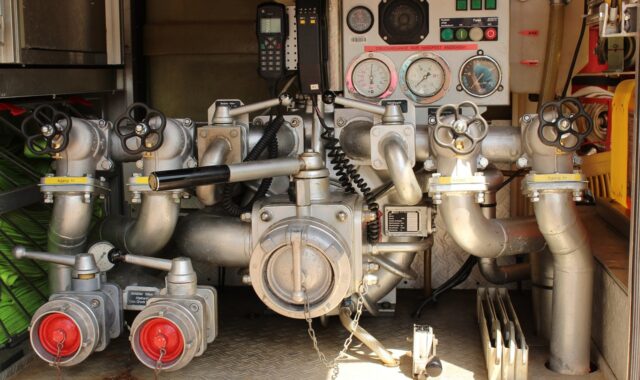
Types of pumps and valves used in chemical process systems
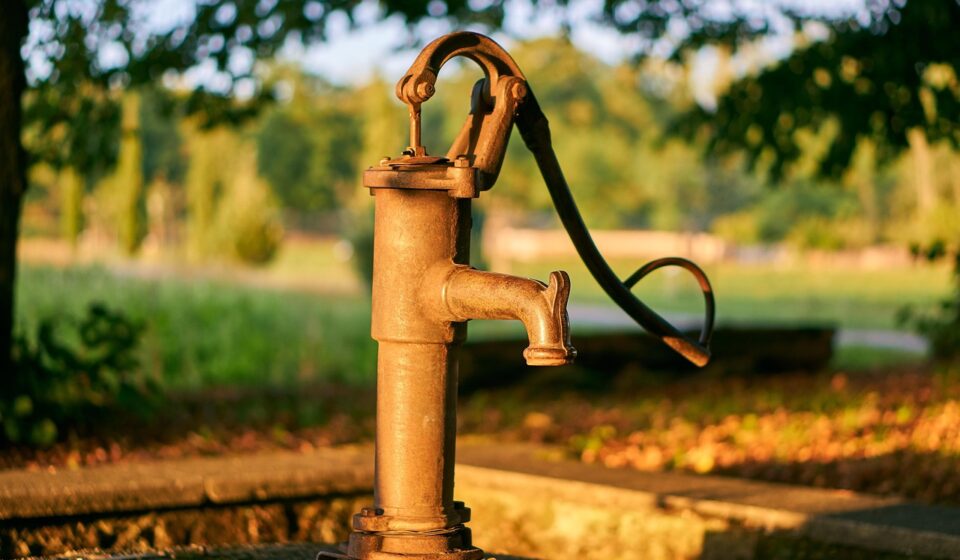
What pumps and valves do in a process system
The main types of pumps and valves in chemical process systems are selected for different but closely connected jobs. Pumps add energy to a liquid so it can move through piping, vessels, heat exchangers, filters, reactors, and storage systems. Valves direct, stop, regulate, isolate, or protect that flow.
A reliable system rarely depends on one component alone. Pump type, valve type, piping layout, materials, sealing method, control philosophy, and maintenance access all influence performance. In practical selection work, pump decisions usually start with flow rate, head, suction conditions, fluid properties, and containment needs. Valve decisions start with function, pressure-temperature rating, shutoff requirement, corrosion resistance, and actuation.

For chemical equipment readers, the key is not memorizing every product name. It is understanding which operating principle fits which service. More notes on related equipment are available in the Pumps and Valves section.
Main types of pumps
Industry references such as the Hydraulic Institute commonly group pumps into two broad families: rotodynamic pumps and positive displacement pumps. This distinction is useful because it explains how a pump responds when system pressure changes.
Rotodynamic pumps
Rotodynamic pumps transfer energy to the liquid through a rotating impeller, propeller, or rotor. Centrifugal pumps are the most familiar type in chemical plants. They are widely used for water, solvents, light hydrocarbons, acids, alkalis, cooling fluids, and many clean or moderately contaminated liquids when the process requires continuous flow.
Within the rotodynamic family, common hydraulic forms include radial-flow, mixed-flow, and axial-flow designs. Radial-flow centrifugal pumps are often used where moderate to high head is required. Mixed-flow pumps sit between radial and axial designs and are used when the duty needs both flow and head. Axial-flow pumps move large volumes at relatively low head and are more common in circulation or transfer duties than in high-pressure chemical service.
Construction affects the application as much as the hydraulic form. Overhung pumps place the impeller at one end of the shaft and are common in general process applications. Between-bearing pumps support the shaft on both sides of the impeller or impellers and are used where higher loads, higher flow, or multi-stage duties require stronger shaft support. Vertically suspended pumps are used for sumps, tanks, pits, and services where installation depth or suction arrangement is important.
Positive displacement pumps
Positive displacement pumps move a defined volume of liquid per cycle or rotation. Instead of mainly creating velocity, they trap liquid and push it forward. This makes them useful for viscous liquids, metering, dosing, high-pressure injection, and services where flow must remain more stable as pressure changes.
Reciprocating positive displacement pumps use pistons, plungers, or diaphragms. Plunger and piston pumps are common in high-pressure injection. Diaphragm pumps are often selected when leak containment or chemical compatibility is important, because the diaphragm can separate the pumped fluid from mechanical drive parts. Controlled-volume metering pumps are used for dosing chemicals such as acids, alkalis, inhibitors, coagulants, and additives.
Rotary positive displacement pumps use gears, screws, lobes, vanes, or similar rotating elements. Gear and screw pumps are common for oils, polymers, resins, and other viscous liquids. Lobe pumps are often considered where gentle handling or cleanability is important, although the final design still has to match hygiene and process requirements.
Special pump designs for chemical service
Chemical duties often require more than a choice between centrifugal and positive displacement pumps. Sealless magnetic-drive and canned-motor centrifugal pumps are used where reducing shaft-seal leakage risk is a priority. Air-operated double-diaphragm pumps are common for transfer, unloading, and intermittent duties, especially where dry running, portability, or solids tolerance may be needed. Slurry pumps use wear-resistant hydraulic and material features for abrasive solids. Lined or nonmetallic pumps are used where corrosion makes common metallic materials unsuitable.
Main types of valves
Valve Manufacturers Association materials commonly separate valves by motion and function. In process plants, the practical selection question is direct: does the valve need to isolate, throttle, prevent reverse flow, relieve pressure, or provide automated control?
Gate valves
Gate valves use a gate or wedge that moves into the flow path. They are mainly isolation valves. When fully open, many gate valves offer a relatively unobstructed flow path, which can reduce pressure drop. They are not normally the first choice for frequent throttling because partial opening can cause vibration, erosion, seat damage, and poor control response.
Globe valves
Globe valves use a plug or disc moving against a seat. They are well suited to throttling and control because the flow path and seat arrangement provide better regulation than a simple isolation valve. The trade-off is higher pressure drop compared with many straight-through isolation valves. In chemical service, globe valves are often used where controllability matters more than minimizing pressure loss.
Ball valves
Ball valves use a rotating ball with a port through it. A quarter turn moves the valve from open to closed. Full-port ball valves can provide low restriction in the open position, making them useful for quick isolation. They are common in utility, solvent, gas, and many clean chemical services. Seat material, fire-safe requirements, cavity relief, and chemical compatibility should be checked carefully.
Butterfly valves
Butterfly valves use a rotating disc in the flow path. They are compact and comparatively light, especially in larger pipe sizes. They are used for isolation and, in suitable designs, throttling. Because the disc remains in the flow path, engineers need to consider pressure drop, cavitation potential, erosion, and sealing performance. High-performance butterfly valves can serve more demanding pressure and temperature applications than general-purpose resilient-seated designs.
Check valves
Check valves are self-actuated valves used to limit reverse flow. They are commonly installed on pump discharge lines to reduce backflow when a pump stops. Swing, lift, piston, ball, dual-plate, and nozzle check valves behave differently under changing flow conditions. The wrong check valve can contribute to slam, water hammer, pressure surge, or unstable pump operation. See also: Storage Systems.
Diaphragm, pinch, plug, needle, and relief valves
Diaphragm valves isolate the process fluid from some mechanical parts and are useful in corrosive, sanitary, or slurry-related services when compatible linings and diaphragms are available. Pinch valves use a flexible sleeve and are often considered for slurries or fluids with suspended solids. Plug valves are quarter-turn valves used for isolation and some throttling duties. Needle valves provide fine manual adjustment for low-flow services. Pressure relief and safety valves are protective devices, not ordinary isolation valves, and must be sized and applied according to the relevant code and hazard analysis.
Pump and valve selection by service
The table below summarizes typical matches. It is not a substitute for project specifications, but it shows how the operating principle narrows the choice.
| Service condition | Pump types commonly considered | Valve types commonly considered | Key selection concern |
|---|---|---|---|
| Clean, low-viscosity liquid transfer | Centrifugal pump | Gate, ball, butterfly, check | Flow, head, efficiency, shutoff, pressure drop |
| Variable process flow | Centrifugal pump with control strategy or variable speed drive | Globe control valve, characterized ball valve, butterfly control valve | Stable control, minimum flow, energy loss |
| Viscous liquid | Gear, screw, lobe, or other rotary positive displacement pump | Full-port ball, plug, gate, specialty control valve | Viscosity, shear, pressure, heating, leakage |
| Chemical dosing | Metering diaphragm or plunger pump | Needle, check, isolation, relief valve | Accuracy, pulsation, back pressure, compatibility |
| Abrasive slurry | Slurry centrifugal pump or suitable positive displacement pump | Pinch, knife gate, lined ball, specialty slurry valve | Erosion, solids settling, maintainability |
| Corrosive or hazardous liquid | Lined, nonmetallic, or sealless pump where suitable | Lined, diaphragm, bellows-sealed, compatible alloy valve | Material compatibility and leakage control |
Standards and specifications that influence selection
Public standards do not replace engineering judgment, but they provide common language for design, procurement, testing, and documentation. For centrifugal process pumps, API 610 is widely used in petroleum, petrochemical, and natural gas industry services; the API standards plan and standards distributors list the 13th edition with a June 2026 publication date. ISO 5199 covers technical specifications for Class II centrifugal pumps and is listed by ISO as a published standard that was reviewed and confirmed in 2018.
Positive displacement pump standards may also be relevant. API 674 covers reciprocating positive displacement pumps. API 675 covers controlled-volume positive displacement pumps for petroleum, chemical, and gas industry services. API 676 covers rotary positive displacement process pumps. API 685 addresses sealless centrifugal pumps for petroleum, petrochemical, and gas industry process service. The correct standard depends on service severity, end-user specification, jurisdiction, and project contract documents.
For valves, ASME B16.34 is a major reference for flanged, threaded, and welding-end valves. ASME describes it as covering pressure-temperature ratings, dimensions, tolerances, materials, nondestructive examination requirements, testing, and marking for applicable valve constructions. API 598 is commonly referenced for valve inspection and testing. Other standards may apply to specific valve types, end connections, pressure relief devices, sanitary service, or fire testing.
The practical lesson is that equipment type is only the first filter. A ball valve and a centrifugal pump can both be correctly named and still be wrong for the duty if pressure class, metallurgy, seal design, test requirement, temperature range, or control behavior is unsuitable.
How pumps and valves work together
A pump installation normally includes more than the pump itself. Isolation valves allow maintenance without draining the entire system. A suction valve should be selected and installed to avoid unnecessary pressure loss at the pump inlet. A discharge check valve helps reduce reverse flow after shutdown. A discharge isolation valve allows removal or service. Some systems also require minimum-flow protection, thermal relief, bypass lines, strainers, pressure gauges, vents, drains, and instrumentation.
Valve choice can also affect pump energy use. A centrifugal pump that is constantly throttled by a control valve may be operating far from its efficient region. The U.S. Department of Energy has long promoted system-level pump assessments because energy savings often come from matching pump operation to system demand rather than changing one component in isolation. In many variable-flow systems, impeller trimming, speed control, parallel pump operation, or piping changes may reduce losses, but the right answer depends on measured flow, head, operating hours, and process constraints.
Positive displacement pumps need special attention because they can continue building pressure if the discharge path is blocked. Relief valves, rupture discs, bypass lines, or other protective devices may be required depending on the design and code basis. A check valve that chatters, a control valve that is oversized, or a suction valve that creates turbulence can shorten pump life even when the pump was correctly selected on paper.
Practical selection checklist
- Define the liquid, including concentration, temperature, vapor pressure, viscosity, solids, toxicity, flammability, and corrosion risk.
- Calculate the required flow, total dynamic head, suction pressure, and available net positive suction head for pump selection.
- Identify whether the duty is continuous, intermittent, batch transfer, dosing, circulation, unloading, or emergency service.
- Choose the pump principle before choosing the detailed model: rotodynamic for many continuous flow duties, positive displacement for dosing, viscous, or high-pressure services.
- Define each valve function separately: isolation, throttling, automated control, non-return, drain, vent, sampling, or pressure protection.
- Check pressure-temperature ratings, end connections, seat leakage class, body and trim materials, lining, gasket compatibility, and actuator requirements.
- Review applicable standards such as API, ASME, ISO, MSS, ISA, or local regulations according to project scope.
- Consider maintainability, spare parts, seal replacement, flushing, clean-in-place needs, lifting access, and safe isolation.
- Evaluate the complete system curve and control method so pump and valve choices do not create avoidable energy losses.
Frequently asked questions
What are the two main pump families?
The two broad families are rotodynamic pumps and positive displacement pumps. Rotodynamic pumps, including centrifugal, mixed-flow, and axial-flow designs, add velocity and pressure through rotating hydraulic elements. Positive displacement pumps move a defined volume per cycle or rotation and include reciprocating and rotary designs.
Which valve type is used for throttling?
Globe valves are a common choice for throttling because their seat and plug arrangement supports more controlled flow regulation. Some butterfly, ball, diaphragm, and specialty valves can also throttle when designed and sized for that purpose. Gate valves are usually treated as isolation valves rather than throttling valves.
Why are check valves installed after pumps?
Check valves are commonly installed on pump discharge lines to reduce reverse flow when a pump stops. This can help protect equipment and maintain system direction. The check valve must be selected for the actual flow range, because an unsuitable design may slam, chatter, or create pressure surge.
Are sealless pumps always required for hazardous chemicals?
No. Sealless pumps can reduce shaft-seal leakage paths, but they are not automatically the right choice for every hazardous chemical. Engineers still need to evaluate fluid properties, solids, temperature, magnetic coupling limits, dry-running risk, containment requirements, standards, and lifecycle cost.
What is the most important selection factor?
The most important factor is the service condition as a whole. For pumps, that means flow, head, suction conditions, fluid properties, and reliability requirements. For valves, it means function, pressure-temperature rating, material compatibility, shutoff need, and control behavior. Selecting by equipment name alone is a common source of process problems.