Precision pumps and valves for chemical dosing and flow control

Why precision matters in chemical fluid handling
Precision pumps and valves are not selected because they sound more advanced than standard equipment. They are selected when a chemical process needs measurable control over flow, pressure, dosing volume, isolation, leakage or response. A useful specification starts by turning the word precision into verifiable requirements: flow range, allowable deviation, fluid properties, temperature, pressure, corrosion risk, cleaning method, duty cycle and acceptance test. For readers comparing equipment categories, the Pumps and Valves section covers related chemical equipment topics.
Precision also belongs to the full fluid-handling loop, not to a pump or valve on its own. A metering pump can lose dosing accuracy if suction conditions are unstable. A well-built control valve can still perform poorly if it is oversized, installed in turbulent pipework or paired with an unsuitable actuator. For chemical plants, the practical target is repeatable process control under real operating conditions, not a broad claim of high accuracy.
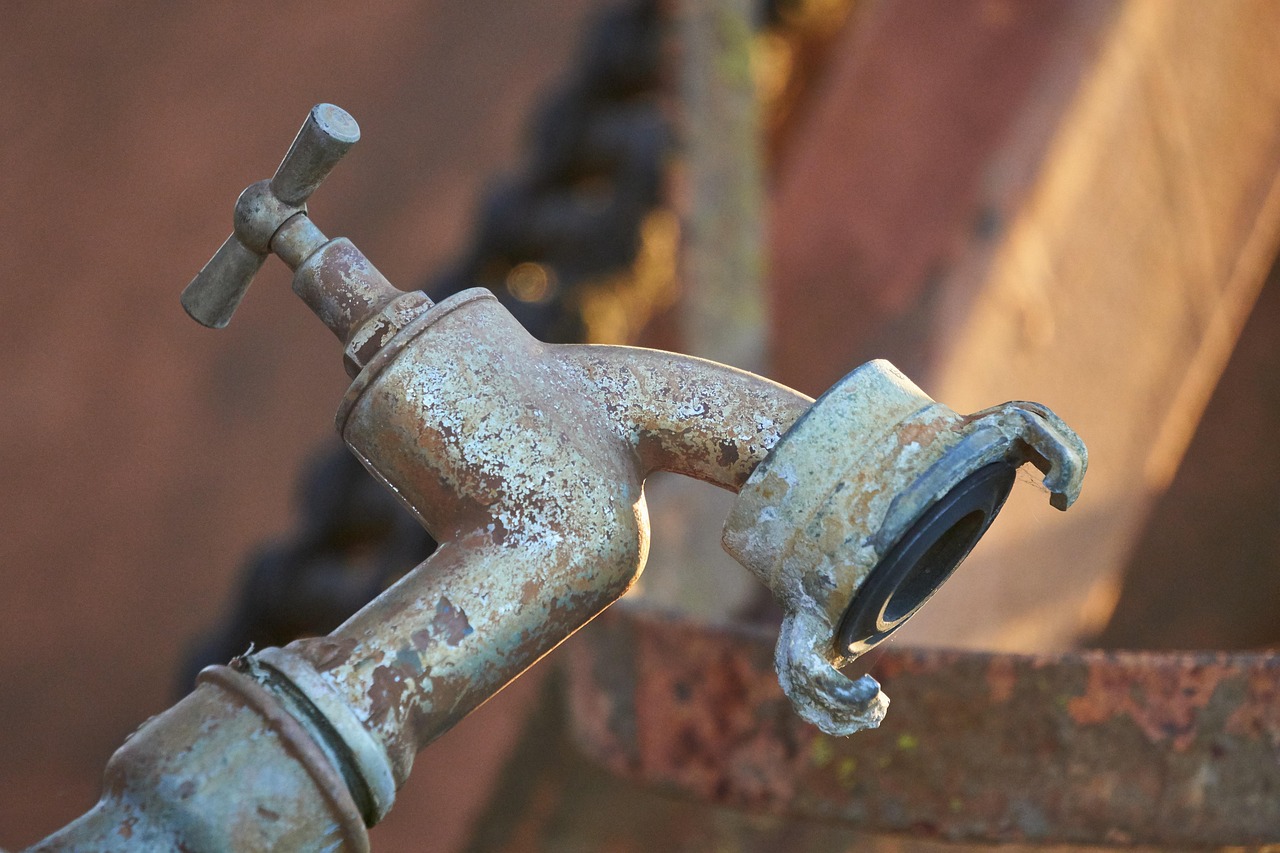
What precision means for pumps
For pumps, precision usually means predictable delivered flow, stable pressure generation, repeatable performance at a defined duty point, or a combination of these. The equipment type matters. Rotodynamic pumps, including centrifugal pumps, are often used for transfer, circulation and utility services where the system curve and operating point determine actual flow. Positive displacement pumps are commonly selected when each stroke, gear rotation or diaphragm movement must move a predictable volume, especially in dosing and injection service.
Metering and dosing service
In chemical dosing, precision normally means repeatable delivery over a specified turndown range. Reciprocating controlled-volume pumps, including hydraulic diaphragm and packed plunger designs, are covered in API Standard 675 for petroleum, chemical and gas industry services. The standard is useful because it treats a metering pump as a specified pump unit, not only as a bare pump head. That distinction matters when accuracy depends on the drive, stroke adjustment, pulsation control, relief protection, calibration columns and stable suction conditions.
Dosing applications should define minimum and maximum flow, concentration target, chemical compatibility, back pressure, vapor pressure, solids content and allowable pulsation. A pump that performs well on clean water may not behave the same with a viscous polymer, crystallizing reagent or volatile solvent. Specifying only nominal flow rate is therefore not enough. The request should also state the fluid, operating temperature, continuous or intermittent duty, suction head, discharge pressure range and whether the process can tolerate pulsation.
Duty point and acceptance testing
For centrifugal and other rotodynamic pumps, precision is closely tied to the duty point. ISO 9906:2012 specifies hydraulic performance acceptance tests for rotodynamic pumps and defines several acceptance grades. In purchasing terms, it allows a buyer and supplier to agree how close tested flow, head and efficiency should be to the specified values. ISO 5199:2002 covers technical specifications for Class II centrifugal pumps, a category commonly associated with chemical process duties. ISO lists that edition as published and confirmed in 2018, while also showing standard-review status information; procurement teams should verify the required edition before issuing a final specification.
A precise pump selection also depends on net positive suction head margin, mechanical seal arrangement, shaft deflection, bearing loads and materials. If a pump operates far from its preferred range for long periods, vibration, seal wear and recirculation risk can increase. The U.S. Department of Energy has long emphasized a system-level approach to pumping efficiency through its pump system resources and MEASUR assessment tools. This is relevant because energy loss, throttling loss and poor reliability are often symptoms of a mismatch between pump, piping, control strategy and demand pattern.
What precision means for valves
For valves, precision depends on function. A control valve must modulate flow predictably as the controller signal changes. An isolation valve must close tightly enough for the service requirement and remain operable after exposure to temperature, corrosion and deposits. A check valve must respond quickly enough to prevent reverse flow without causing unacceptable pressure surge. A sampling or dosing valve may need very fine adjustment at low flow.
Control valves and installed behavior
Control valve precision begins with sizing. ANSI/ISA-75.01.01 and IEC 60534-2-1 are widely referenced for control valve sizing equations. They address flow capacity calculations for compressible and incompressible fluids, but users still need to evaluate flashing, cavitation, two-phase flow, slurry, non-Newtonian behavior and high noise risk where these conditions apply. These operating realities can make a textbook valve size unsuitable in the field.
The installed characteristic matters more than the catalog characteristic. A valve may have equal-percentage trim, linear trim or specialty trim, but the actual process response depends on the pump curve, piping resistance, pressure drop allocation and controller tuning. Oversizing is a common precision failure. A large valve operating almost closed can have poor resolution, high trim velocity, unstable control and seat damage. Undersizing can starve the process or force operation at high pressure drop. Good specifications ask for the calculated Cv or Kv, expected travel range at normal flow, maximum and minimum flow cases, shutoff class where required, and any cavitation or noise evaluation.
Isolation, leakage and fugitive emissions
For isolation valves, precision may mean dependable shutoff rather than fine modulation. Seat leakage class, pressure-temperature rating, body material, lining, packing system and actuator torque become central. In chemical service, fugitive emissions are also part of valve performance. ISO 15848-1:2015 specifies measurement, test and qualification procedures for external leakage from valve stem seals or shafts and body joints for valves intended for volatile air pollutants and hazardous fluids. This does not automatically make every valve emission-safe for every service, but it gives purchasers a recognized framework for qualification language.
IEC 60534-4:2021 covers inspection and routine testing requirements for industrial-process control valves manufactured in conformity with other parts of IEC 60534. Its scope includes valves up to Class 2500 pressure ratings, with actuator requirements limited to pneumatic actuators. For chemical facilities, such standards help separate measurable inspection requirements from vague claims such as tight control or premium quality.
Standards that turn precision into a purchase requirement
The following comparison connects common precision expectations with recognized standards or guidance. It is not a substitute for project engineering, but it helps buyers ask more specific questions.
| Need | Relevant reference | How it helps | Important limitation |
|---|---|---|---|
| Chemical process centrifugal pump specification | ISO 5199:2002 | Defines Class II centrifugal pump technical requirements often relevant to chemical process service | Project materials, seals and operating margins still need separate definition |
| Rotodynamic pump performance verification | ISO 9906:2012 | Provides hydraulic acceptance test grades for flow, head and efficiency | Factory tests may not reproduce all installed-system conditions |
| Metering pump unit for dosing or injection | API Standard 675 | Covers reciprocating controlled-volume pumps and pump units for petroleum, chemical and gas services | The purchaser must still specify fluid, turndown, materials and accessories |
| Control valve sizing | ANSI/ISA-75.01.01 and IEC 60534-2-1 | Support calculation of flow capacity for many valve applications | Special fluids, cavitation, flashing, noise and slurry service need extra review |
| Control valve inspection and routine testing | IEC 60534-4:2021 | Defines inspection and routine test requirements for applicable industrial-process control valves | Hazardous-service requirements may require additional standards |
| Valve fugitive-emission qualification | ISO 15848-1:2015 | Provides procedures for evaluating external leakage of stem seals and body joints | It must be matched with service temperature, pressure, cycling and packing requirements |
A practical selection workflow for chemical plants
A disciplined selection process reduces both under-specification and over-specification. The steps below apply to new projects and replacement decisions. See also: Storage Systems.
- Define the process objective. State whether the equipment controls dose, transfer rate, batch quantity, pressure, level, isolation or emission risk.
- Document the real fluid. Include concentration, viscosity, density, vapor pressure, solids, corrosion data, toxicity, crystallization tendency and cleaning method.
- Set operating cases. List minimum, normal and maximum flow; pressure; temperature; startup; shutdown; and upset conditions.
- Choose the equipment principle. Match centrifugal, positive displacement, metering, diaphragm, gear, globe, ball, butterfly, plug or check designs to the service.
- Allocate control authority. For control loops, verify that the pump, valve and piping allow stable modulation across the expected flow range.
- Specify verifiable tests. Identify hydrostatic, seat leakage, performance, calibration, material traceability or fugitive-emission requirements before purchase.
- Review life cycle cost. Consider energy, maintenance, seals, spare parts, downtime, disposal and operator access, not only the initial purchase price.
The Hydraulic Institute and Europump life cycle cost guidance, summarized in U.S. energy-efficiency materials, notes that initial pump purchase price can be a small portion of total ownership cost for high-use pumps. In many continuous services, energy and maintenance dominate the economic picture. This does not mean every plant should buy the most expensive pump or valve. It means the selected precision level should be justified by process risk, reliability value and operating cost.
Common trade-offs and failure modes
Precision specifications often fail because they focus on one number and overlook the surrounding conditions. A dosing pump may be specified for a narrow flow accuracy band but installed with an undersized suction line that encourages gas binding. A control valve may have a high-quality positioner but be forced to control with too little pressure drop. An isolation valve may pass a room-temperature shop test but later face thermal cycling, polymer deposits or corrosive vapors in operation.
- Over-sized control valves: poor low-flow control, trim erosion and unstable loop response.
- Under-defined metering pumps: inconsistent delivery when fluid viscosity, suction lift or discharge pressure changes.
- Poor material selection: corrosion, elastomer swelling, embrittlement or product contamination.
- Excessive pulsation: noisy pipework, fatigue risk and unstable downstream flow measurement.
- Ignoring maintainability: precise equipment becomes unreliable if seals, packing, diaphragms or trim cannot be inspected and replaced safely.
The trade-off is not precision versus cost. It is measured precision where the process needs it, and avoiding unnecessary complexity where it does not. A utility transfer pump may need robust efficiency and maintainability more than tight flow tolerance. A catalyst injection pump may justify calibration, pulsation dampening and redundant instrumentation because small dosing errors can affect product quality or reaction control.
How to compare suppliers without over-specifying
Supplier comparison should be based on the same duty sheet, not on catalog labels. Ask each supplier to state the assumed fluid properties, design margins, test standard, acceptance tolerance, wetted materials, elastomers, coating or lining, seal or packing arrangement, actuator sizing basis and recommended spare parts. For valves, request the expected travel at minimum, normal and maximum flow, not only a nominal size. For pumps, request the curve, duty point, efficiency, NPSH requirement, allowable operating region and any limits related to viscosity or solids.
Over-specification can be as harmful as under-specification. Requiring a high-level standard that does not match the service may increase cost, delivery time and maintenance burden without improving process performance. The most defensible specification connects every requirement to a process consequence: product quality, safety, emissions, uptime, energy use or regulatory obligation.
Frequently asked questions
Are precision pumps always positive displacement pumps?
No. Positive displacement pumps are common in dosing and metering because their flow is linked to displacement, but centrifugal pumps can also be specified and tested precisely for a defined duty point. The right choice depends on flow range, pressure, viscosity, solids, pulsation tolerance and control method.
Is a control valve enough to make a flow loop precise?
No. A control valve is only one part of the loop. Pump curve, pressure drop allocation, pipe sizing, flow measurement, actuator response and controller tuning all affect installed precision. A well-sized valve in a poor system may still control badly.
Which matters more, pump accuracy or valve accuracy?
It depends on the process objective. In dosing, pump repeatability may be the dominant requirement. In a continuous reactor feed or heat-transfer loop, the interaction between pump, valve and flow measurement may matter more than the standalone accuracy of any one component.
Do standards guarantee reliable performance?
No standard guarantees reliability in every installation. Standards help define design, testing and terminology, but reliability also depends on fluid data, materials, installation quality, operation, maintenance and whether the equipment is used within its intended range.
What should be included in a precision pump or valve datasheet?
At minimum, include fluid properties, materials, pressure-temperature limits, flow range, control or dosing objective, applicable standard, required tests, leakage or emission requirement, actuator or driver details, instrumentation interfaces and maintenance constraints. A precise datasheet is often more valuable than a broad request for premium equipment.