How to specify high pressure valves for water systems
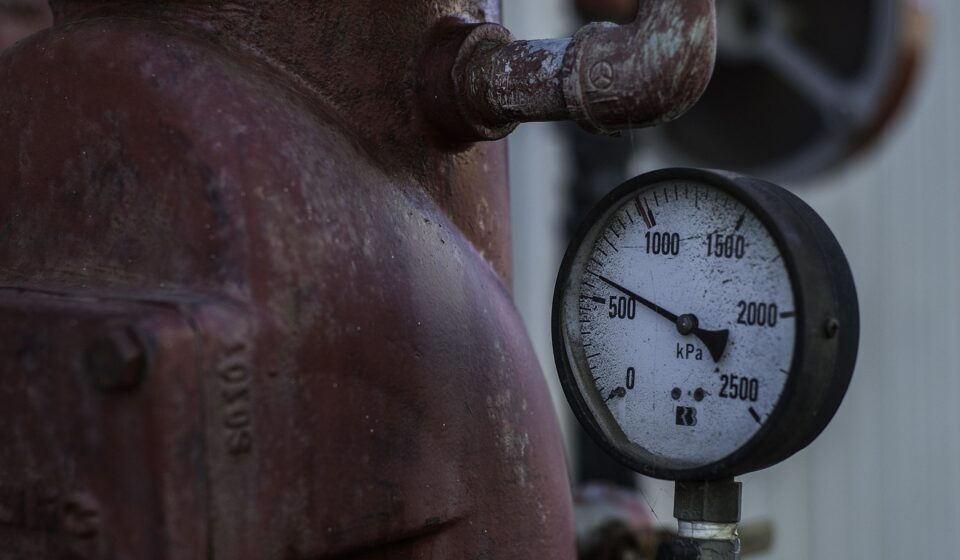
What high pressure means in water valve selection
High pressure valves for water should be specified around the actual duty, not a broad product label. The key question is whether the valve can safely handle maximum operating pressure, expected pressure surges, test pressure, temperature, water chemistry, seat leakage requirements and the mechanical loads from the piping system. For potable water, the specification must also cover material safety and lead-free requirements. For industrial water, corrosion, erosion, cycling frequency and maintainability may carry more weight. This guide explains how engineers, buyers and maintenance teams can compare valve designs without treating all “high pressure” water valves as interchangeable items. For related equipment topics, see the Pumps and Valves section.
There is no single pressure value that makes a water valve “high pressure” in every application. A pressure that is routine in one hydraulic test loop may be severe in a municipal distribution branch, a boiler feedwater auxiliary line or a desalination high-pressure train. A more reliable specification defines the full pressure envelope: normal working pressure, maximum allowable working pressure, pump shutoff pressure, hydrostatic test pressure and transient pressure caused by rapid valve movement or pump trips.

This matters because water is only slightly compressible. A valve that closes too quickly, a check valve that slams, or a pump that stops suddenly can create transient pressure waves. AWWA water-supply practice documents and Journal AWWA technical papers have long treated surge and water hammer as design issues, not afterthoughts. In practical terms, a valve selected only against steady-state line pressure may still be underspecified if the system sees repeated surge events.
Match valve design to water duty
The right valve type depends on the job: isolation, throttling, pressure control, backflow prevention, pump protection or surge relief. A high pressure rating does not make one valve suitable for every duty. Seat geometry, flow path, closure speed and actuator control can be as important as body strength.
Isolation service
Gate, ball, plug and some butterfly valves are commonly used for open-close service. In high pressure water lines, an isolation valve should provide reliable shutoff and an acceptable pressure drop when open. Full-port ball valves and gate valves usually offer low flow restriction, while butterfly valves can be more compact in larger diameters. The final choice should still reflect the applicable waterworks or industrial standard, required end connection and expected operating frequency.
For isolation valves, avoid routine throttling unless the design is specifically rated for that duty. Partially open isolation valves may experience vibration, cavitation, seat wear or unstable torque. A valve that seals well in fully open or fully closed service can perform poorly if it is used to control flow every day.
Control and pressure-reducing service
Control valves, pressure-reducing valves and modulating globe-style valves are designed to manage flow or downstream pressure. In high pressure water service, the main risks are cavitation, noise, erosion and poor control at low openings. The specification should state upstream and downstream pressure ranges, minimum and maximum flow, water temperature, allowable leakage and whether the valve needs anti-cavitation trim or staged pressure reduction.
When the pressure drop is large, a single valve may not be the safest solution. Engineers may divide pressure reduction across multiple stages or use a valve and trim package designed for the operating profile. This is an engineering decision, not simply a purchasing preference.
Check and surge-related service
Check valves protect pumps and pipelines from reverse flow, but they can also create problems if they close after reverse velocity has developed. For high pressure water applications, check valve selection should consider dynamic behavior, not just nominal size and pressure class. Non-slam check valves, controlled-closing designs, surge relief valves and air valves may be part of the wider surge-control strategy.
Pressure relief valves can reduce peak transient pressure in some systems, but published water-industry research also notes that relief-valve effectiveness depends on system characteristics, valve settings and the type of surge event. A relief valve that is poorly placed or incorrectly set can fail to solve the problem and may even worsen the transient response. This is why serious high pressure water systems often need transient analysis before final valve selection.
A practical specification checklist
A strong valve specification reduces ambiguity before quotation, manufacturing, inspection and installation. The table below summarizes the information that should be defined before selecting or comparing high pressure water valves.
| Specification item | Why it matters | What to define |
|---|---|---|
| Pressure envelope | Prevents selection based only on normal operating pressure | Normal pressure, maximum pressure, surge allowance and test pressure |
| Valve function | Different designs suit isolation, control, check or relief duty | Open-close, throttling, pressure reducing, backflow prevention or surge relief |
| Size and connection | Controls compatibility with the pipeline and pressure class | NPS or DN size, flange class, threaded, welded, grooved or wafer arrangement |
| Water quality | Influences corrosion, scaling, coating and elastomer selection | Potable, raw, seawater, demineralized, wastewater, chlorinated or chemical-laden water |
| Temperature | Pressure ratings and elastomer performance can change with temperature | Minimum, normal and maximum operating temperature |
| Leakage requirement | Determines seat design and test acceptance criteria | Bubble-tight, resilient seated, metal seated or standard leakage class |
| Actuation | Affects closing speed, surge risk and operating reliability | Manual, gear-operated, electric, pneumatic, hydraulic or self-actuated |
| Inspection documents | Supports quality control and project acceptance | Material certificates, pressure test records, coating records and compliance certificates |
The most common mistake is treating pressure class as the whole specification. Pressure class is essential, but it does not show whether the valve is safe for potable water, whether it can throttle without damage, whether its elastomers are compatible with disinfectants, or whether the actuator closes slowly enough to limit water hammer.
Materials, coatings and compliance for water service
Material selection starts with the water itself. Clean potable water, reclaimed water, seawater, mine water, cooling water and demineralized water can create very different corrosion and scaling conditions. Carbon steel, ductile iron, stainless steel, bronze and specialty alloys each have valid uses, but they should not be chosen by habit alone. The valve body, trim, stem, fasteners, seat, seals and coatings all need compatibility review.
For drinking water in the United States, two compliance issues are especially important. NSF/ANSI/CAN 61 is a health-effects standard for products and materials that contact drinking water, including valves. It focuses on contaminants and impurities that may be imparted to drinking water; it is not a valve performance or pressure-rating standard. Separately, the U.S. Safe Drinking Water Act defines “lead free” for relevant wetted surfaces as a weighted average of not more than 0.25 percent lead. EPA guidance also notes federal certification requirements for many potable-use plumbing products, with enforceability beginning on September 1, 2023.
For larger waterworks valves, protective coatings may be as important as the base metal. AWWA standards include coating-related requirements such as AWWA C550 for protective interior coatings for valves and hydrants. Coatings should be specified with surface preparation, dry film thickness, holiday testing where required and repair procedures. A coating name alone is usually not enough for quality control.
Elastomers also deserve attention. EPDM is widely used in water service, while NBR, FKM and other materials may be selected for specific chemical or temperature conditions. The key is to match the elastomer to disinfectants, temperature, pressure cycling and expected service life. For potable applications, the elastomer and coating must also be covered by the required drinking-water approvals. See also: Storage Systems.
Testing, standards and documents to verify
High pressure water valve procurement should identify the governing standard before orders are placed. Standards define terminology, design expectations, testing methods and acceptance criteria. They also reduce disputes because both buyer and supplier can refer to the same document.
| Reference | Typical relevance to high pressure water valves | Important limitation |
|---|---|---|
| ASME B16.34 | Pressure-temperature ratings, dimensions, materials, testing and marking for many flanged, threaded and welding-end valves made from steel, nickel-base and other alloys | It is not a drinking-water health-effects standard |
| AWWA valve standards | Waterworks valve categories such as gate, butterfly, ball, check and related valve types | The correct AWWA document depends on valve type and service |
| NSF/ANSI/CAN 61 | Health-effects evaluation for drinking-water-contact materials and components | It does not establish pressure performance, taste and odor, or microbial growth requirements |
| MSS SP-61 | Shell and seat closure pressure testing requirements and acceptance criteria for valves | Project specifications should state edition and applicability |
| API Std 598 | Inspection and pressure testing often referenced for industrial valves | It may not be the controlling document for municipal waterworks valves unless specified |
Useful procurement documents include material test reports, pressure test certificates, seat leakage test records, coating inspection records, dimensional reports, actuator data sheets and certificates for potable-water compliance where applicable. If the valve is automated, request torque data, actuator sizing basis, fail position, control signal, enclosure rating and manual override details.
Factory pressure testing should not be described vaguely as “tested before shipment.” The purchase specification should state which standard applies, what tests are required, which test medium is used, whether witness inspection is required and what leakage acceptance criteria apply. This is especially important for high pressure water service because small misunderstandings about seat leakage, shell testing or test duration can delay commissioning.
Installation, surge control and maintenance factors
Even a correctly rated valve can fail early if the installation ignores hydraulic and mechanical details. Valve orientation, pipe support, flange alignment, bolt tightening sequence, gasket selection and commissioning procedure all affect performance. In high pressure water lines, misalignment can create body stress, while unsupported actuators can add bending loads that the valve was not intended to carry.
Closing speed is another critical factor. Fast closure may be attractive for operational reasons, but it can increase transient pressure. Gear operators, hydraulic dampers, electric actuator settings and controlled check valve mechanisms can be used to moderate closure behavior. The correct setting depends on the pipeline profile, pump curve, water column length and acceptable transient pressure.
Commissioning should include flushing, pressure testing, functional cycling and confirmation that actuated valves respond correctly to control signals. Dirt, welding debris, sand and coating particles can damage seats during the first operations. For control valves and pressure-reducing valves, the initial setup should confirm stable operation across the expected flow range, not only at one design point.
Maintenance planning should be part of selection. Large or high pressure valves may require gearboxes, lifting points, bypasses, access space and safe isolation for inspection. Seat replacement, stem seal adjustment, coating repair and actuator calibration should be possible without excessive shutdown time. A valve that is inexpensive to buy but difficult to maintain can raise lifecycle cost.
- Confirm that maximum pressure includes pump shutoff and credible surge scenarios.
- Use the correct valve type for isolation, control, check or relief duty.
- Specify potable-water approvals when the water is for human consumption.
- Define the testing standard, leakage acceptance and required documentation.
- Review actuator speed and check valve dynamics before commissioning.
Frequently asked questions
Are high pressure valves for water the same as hydraulic oil valves?
No. Some pressure ratings may look similar, but water and hydraulic oil create different lubrication, corrosion, sealing and material-compatibility conditions. Water service can be harder on certain metals and seals because it provides little lubrication and may contain oxygen, disinfectants, chlorides or suspended solids.
Can a standard ball valve be used for high pressure water?
Only if its pressure rating, materials, end connections, seats, testing and compliance documents match the actual water service. A ball valve may be suitable for isolation, but it is not automatically suitable for throttling or rapid cycling. For potable water, drinking-water approvals may also be required.
Which is more important, pressure rating or valve type?
Both are essential. Pressure rating addresses body strength and pressure containment, while valve type determines whether the design can perform the required function. A correctly rated valve can still be the wrong choice if it is used for throttling, surge relief or check service without the right design features.
Do potable water valves need NSF/ANSI/CAN 61?
For many drinking-water applications in North America, project specifications or regulations require materials and products that contact drinking water to comply with NSF/ANSI/CAN 61 or an equivalent accepted certification route. The exact requirement depends on jurisdiction, project type and product category, so it should be confirmed during specification.
How can water hammer affect valve selection?
Water hammer can raise pressure above normal working pressure and impose repeated stress on valves, gaskets, actuators and pipe supports. It can also cause check valve slam or seat damage. For high pressure systems, valve closing speed, check valve dynamics, relief devices and surge analysis should be considered before final selection.