Associated pumps & valves for chemical processing systems
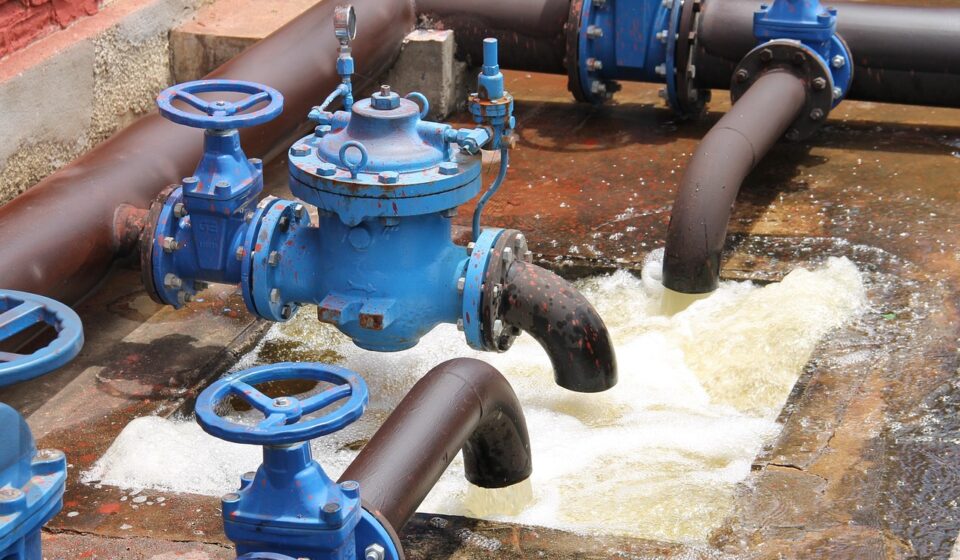
What associated pumps & valves means in process equipment
Associated pumps & valves are not simply two equipment groups installed in the same piping system. In chemical processing, the phrase usually refers to the fluid-handling package built around a specific duty: the pump, suction and discharge valves, check valves, relief or bypass devices, seal support connections, instruments, drains, vents and the nearby piping that makes the system operable and maintainable. The practical question is not only whether the pump can deliver the required flow and head, but whether the connected valves allow safe isolation, stable control, acceptable pressure loss and reliable maintenance. For related fluid-handling topics, the Pumps and Valves category covers industrial pump and valve applications.
In a chemical plant, a pump and its associated valves function as one operating unit. Poor valve selection can force a correctly sized pump away from its intended operating point, leading to wasted energy, cavitation, leakage, overheating or difficult maintenance. Poor pump selection can also push good valves into excessive throttling or outside their intended pressure, temperature or corrosion envelope. The equipment should therefore be specified as a system, not as unrelated line items.

How pumps and valves interact in a chemical line
The pump creates the pressure difference needed to move liquid through the system. Valves determine how that pressure is used. A suction isolation valve allows maintenance without draining an upstream tank. A discharge isolation valve helps remove the pump from service. A check valve reduces reverse flow after shutdown. A control valve or variable-speed drive changes the operating point. Relief, bypass, drain and vent valves protect the equipment or make operation safer and more practical.
This interaction matters because every valve introduces resistance. The resistance may be intentional, as with a control valve, or incidental, as with an isolation valve, strainer or check valve. If resistance is underestimated, the pump may not meet the required duty. If resistance is excessive, the pump may operate at a higher differential pressure and lower flow than expected, which can reduce efficiency and increase vibration, heat generation and seal stress.
Flow control and throttling
For many centrifugal pump services, throttling a discharge valve is technically possible, but it is not always the most efficient control method. Plants may use throttling for simple, low-cost control, especially where flow changes are small. For variable demand, a variable-speed drive may reduce energy use by matching pump speed to process demand. The right choice depends on the system curve, required turndown, fluid properties, minimum flow limits, instrumentation and the site control philosophy.
Isolation, check and bypass functions
Associated valves should make the pump maintainable without creating unsafe trapped pressure or chemical exposure. Typical arrangements include suction and discharge isolation valves, a check valve on the discharge side, vents at high points and drains at low points. A minimum-flow bypass may be needed where the pump must not run below a safe continuous flow. Positive displacement pumps require particular attention because blocked discharge flow can cause a rapid pressure rise; a relief path is normally part of the system design.
Selection criteria for chemical service
For chemical equipment, pump and valve selection starts with the fluid, not with the catalog. The same nominal size and pressure class can behave very differently depending on corrosion, viscosity, vapor pressure, solids, crystallization, toxicity, flammability and temperature cycling. Clean water service may allow a broad equipment choice. A hot solvent, acidic slurry or polymerizing liquid usually requires a much narrower specification.
Fluid data before equipment data
Before selecting associated pumps & valves, the specification should define the normal, minimum and maximum flow rate; suction pressure; discharge pressure; operating and design temperature; density; viscosity; vapor pressure; solids content; corrosive components; allowable leakage; cleaning method; and expected start-stop frequency. For batch processes, start-up, transfer, recirculation, cleaning and shutdown conditions may be as important as the steady operating condition.
Materials and seals
Material compatibility is central to both pumps and valves. Wetted parts may be cast iron, carbon steel, stainless steel, duplex stainless steel, alloy, lined metal or engineered plastic, depending on the service. Elastomers and gaskets must also be checked; a valve body may be compatible while the seat, packing or O-ring is not. Pump seals deserve the same level of review. Single mechanical seals, double seals, magnetic drive pumps or sealless designs may be considered depending on hazard level, leakage tolerance and maintenance practice.
Pressure, temperature and shutoff conditions
The design point is only one part of the selection. Engineers also need to consider shutoff head, maximum suction pressure, thermal expansion in blocked-in liquid, water hammer, reverse rotation risk, valve seat leakage, actuator fail position and the maximum differential pressure across a closed valve. These boundary conditions often determine whether a standard arrangement is acceptable or whether additional protective devices are required.
Standards and compliance points that shape specifications
Industrial pump and valve specifications often refer to recognized standards, but the applicable document depends on the industry, jurisdiction and project owner requirements. The Hydraulic Institute classifies pump types into rotodynamic and positive displacement categories; rotodynamic pumps include centrifugal, mixed-flow and axial-flow designs, while positive displacement pumps move a defined volume per shaft rotation through reciprocating or rotary mechanisms. That distinction matters because allowable operating range, control method and protection requirements differ by pump type.
For U.S. commercial and industrial pump energy measurement, federal test procedures reference Hydraulic Institute methods such as HI 40.6-2021 for rotodynamic pump efficiency testing. This does not mean every chemical process pump is selected through the same regulatory pathway, but it does explain why efficiency curves, best efficiency point and repeatable test methods are common procurement topics. In petroleum, petrochemical and natural gas services, project specifications often refer to API 610 for centrifugal pumps, while IOGP JIP33 documents provide standardized procurement requirements based on API pump specifications. Because editions change, every purchase document should state the exact standard edition and any owner amendments.
Safety and environmental programs also affect associated pumps and valves. OSHA’s Process Safety Management regulation includes pumps within mechanical integrity requirements for covered processes and expects inspection and testing procedures to follow recognized and generally accepted good engineering practices. The U.S. EPA’s LDAR guidance identifies leaking valves, pumps and connectors as significant sources of volatile organic compound and hazardous air pollutant emissions in regulated facilities. For chemical operators, valve packing, pump seals, connectors and maintenance records can be compliance issues as well as reliability issues.
| Specification area | Why it matters | Typical document or program to verify |
|---|---|---|
| Pump type and performance | Defines flow, head, efficiency, allowable range and test expectations | Hydraulic Institute standards, API 610 where applicable, project data sheets |
| Valve inspection and testing | Confirms pressure boundary integrity and seat leakage expectations | Applicable API, ISO, ASME or project valve testing requirements |
| Mechanical integrity | Controls inspection, testing, maintenance procedures and corrective action | OSHA PSM requirements where the process is covered |
| Leak control | Reduces emissions, product loss and exposure risk | LDAR program requirements and site environmental permits |
| Materials compatibility | Prevents corrosion, swelling, embrittlement or product contamination | Material selection guides, corrosion data and owner specifications |
Installation and layout issues that affect reliability
A strong specification can still fail if the installation creates hydraulic or mechanical problems. Suction piping should avoid unnecessary restrictions, high-point vapor pockets and poor approach flow. Eccentric reducers are often used on horizontal suction lines to limit vapor accumulation, but the correct orientation depends on the line arrangement and project standard. Long-radius fittings, adequate straight runs where required, properly supported piping and accessible valve handles are practical details that can decide whether the system operates smoothly. See also: Storage Systems.
Valve placement should support both operation and maintenance. Isolation valves need to be reachable during normal and emergency conditions. Check valves should be installed in orientations and flow regimes compatible with their design. Control valves require enough pressure drop to control properly, but not so much that the pump is forced into inefficient operation. Drain and vent valves should be located where they actually remove trapped liquid or gas. If the fluid is hazardous, drains and vents need a safe destination rather than open discharge to the work area.
Piping loads are another common cause of pump trouble. A pump nozzle is not a pipe support. Misalignment, thermal growth and unsupported valve weight can create casing stress, seal issues and bearing problems. Heavy valves, actuators and strainers near the pump should be supported independently. During commissioning, alignment should be checked after piping is connected and, for hot services, after the system reaches operating temperature if required by the project procedure.
Maintenance and troubleshooting as a combined system
Maintenance teams often notice the pump first because it is noisy, hot or leaking. The root cause, however, may be in the associated valves or piping. A partially closed suction valve, blocked strainer, stuck check valve, oversized control valve, leaking bypass or incorrect valve line-up can all make a healthy pump appear defective. Troubleshooting should therefore start with the system condition, not only the pump casing.
Useful routine checks include suction and discharge pressure trends, vibration readings, seal flush verification, valve position checks, strainer differential pressure, actuator response, unusual temperature rise and evidence of external leakage. For covered chemical processes, inspection records should connect findings to corrective action. A recurring seal failure, for example, should not be treated only as a spare-part issue; it may indicate dry running, vapor entrainment, misalignment, poor flush conditions, excessive pipe load or operation away from the preferred flow region.
- Confirm that suction and discharge valves are in the intended position before start-up.
- Verify that the pump is primed and vented where the design requires it.
- Check that check valves move freely and do not chatter at low flow.
- Inspect valve packing, pump seals and connectors for leakage under normal operating conditions.
- Trend operating data instead of relying only on one-time readings.
- Review bypass lines and minimum-flow paths to ensure they are not unintentionally open or blocked.
A practical specification checklist
A useful procurement package for associated pumps & valves should make interfaces clear. Ambiguity often appears where one supplier provides the pump, another provides the valves and a contractor builds the skid or piping. The specification should define responsibility for performance, hydrostatic testing, cleaning, painting, tagging, documentation, spare parts and inspection hold points.
- Define the process duty, including normal, minimum, maximum and upset conditions.
- Select pump type based on hydraulic requirement, fluid behavior, controllability and maintenance strategy.
- Specify valve types by function: isolation, control, check, relief, drain, vent and sampling.
- Confirm materials for all wetted pump, valve, gasket, seat, packing and seal components.
- Calculate system pressure losses with realistic valve coefficients and fouling allowances.
- Check NPSH margin, suction layout and vapor pressure at maximum operating temperature.
- Define testing, inspection and documentation requirements by standard edition.
- Ensure maintainability with access for lifting, bolting, seal replacement and valve operation.
- Include leak detection, mechanical integrity and environmental requirements where applicable.
- Review commissioning procedures for flushing, alignment, rotation check, priming and first-start monitoring.
The checklist should be reviewed early enough to influence layout. Once foundations, pipe racks and skid dimensions are fixed, correcting valve access or suction piping problems becomes more expensive. For chemical equipment, the lowest installed price is rarely the lowest life-cycle risk if it creates avoidable downtime, leakage or maintenance exposure.
Frequently asked questions
Are associated pumps & valves sold as one package?
Sometimes. A packaged skid may include pumps, isolation valves, check valves, instruments and controls. In other projects, these items are purchased separately and integrated by an EPC contractor or plant maintenance team. Either way, the system interfaces should be defined in the specification.
Should a control valve be placed before or after a pump?
For many centrifugal pump liquid services, flow control is commonly located on the discharge side to avoid starving the suction. However, the correct arrangement depends on the process, pump type, fluid properties and safety requirements. Suction throttling can create cavitation risk and should be reviewed carefully before use.
Why do pump seals fail even when the pump is new?
Early seal failure can result from incorrect installation, dry running, poor venting, pipe strain, wrong flush conditions, vibration, solids, chemical incompatibility or operation away from the intended flow range. The associated valves and line-up should be checked before assuming the seal itself is defective.
What information is most important when requesting a quotation?
Provide the fluid name and composition, flow, head, suction conditions, temperature, pressure, viscosity, vapor pressure, solids, corrosion concerns, required materials, sealing requirements, valve functions, applicable standards and documentation requirements. Missing process data usually leads to conservative pricing or unsuitable equipment.