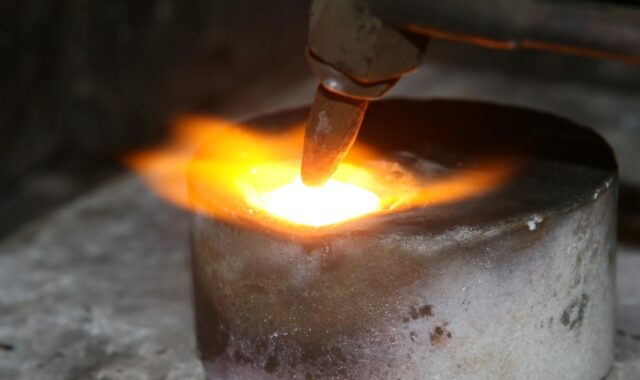
Industrial process equipment selection for safer and more reliable chemical plants
What industrial process equipment includes
Industrial process equipment is the hardware used to transform, move, heat, cool, separate, store, measure or control materials inside a production process. In chemical and related process industries, this can include reactors, pressure vessels, heat exchangers, evaporators, condensers, distillation columns, mixers, pumps, compressors, filters, dryers, storage tanks, piping, valves, relief devices, instruments and control systems.
The right choice is not simply the unit with enough nameplate capacity. It is the equipment that can handle the actual chemistry, pressure, temperature, phase behavior, corrosion risk, operating pattern, cleaning requirement and maintenance strategy of the plant.
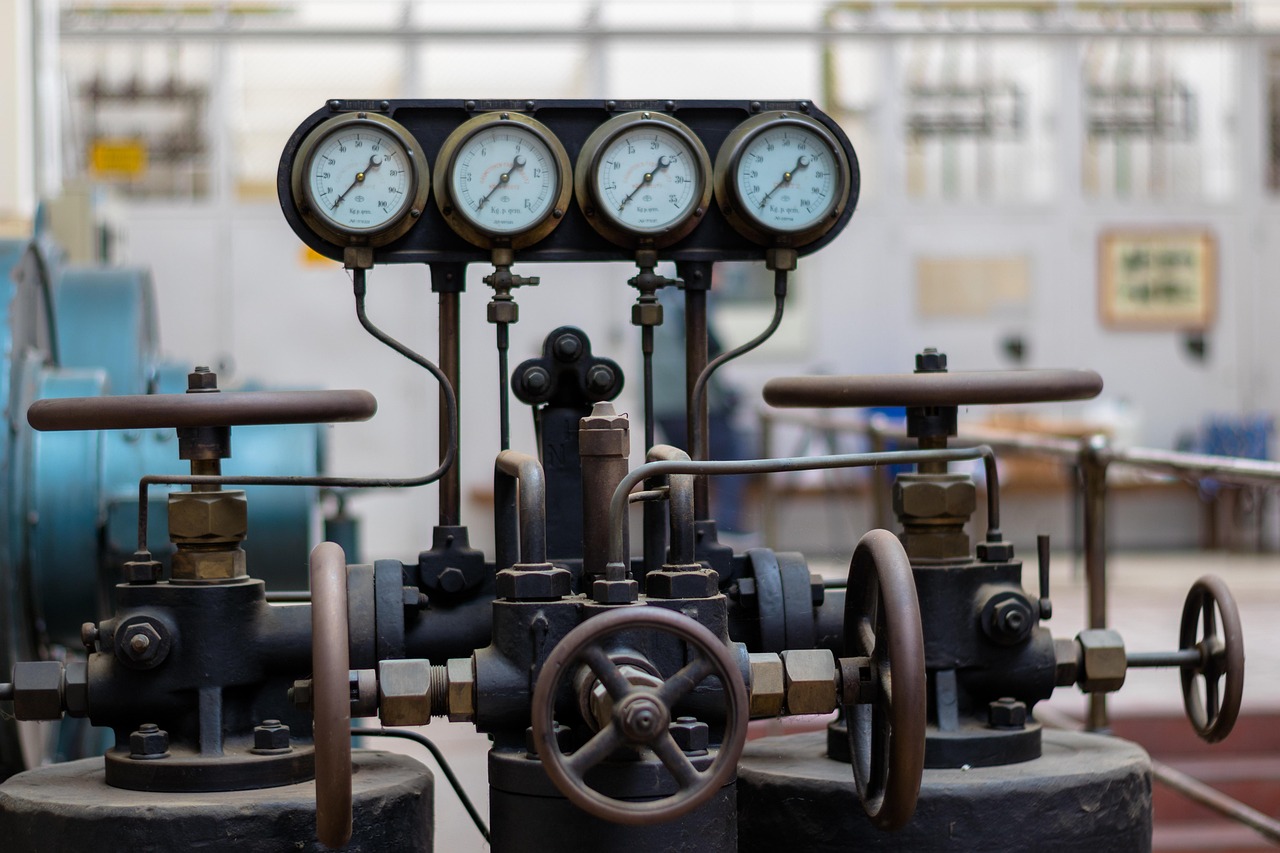
For buyers, engineers and plant managers, the key questions are usually practical: what equipment is needed, how should options be compared, and which risks should be checked before purchase or replacement. This article focuses on that selection logic for chemical plants and similar industrial facilities.
For more equipment-focused articles, see the Process Equipment section.
Start with process conditions before comparing models
A reliable specification starts with the process, not the catalog. Two pumps with the same flow rating may perform very differently if one handles clean solvent at moderate temperature and the other handles slurry, corrosive acid or polymerizing feed. A heat exchanger sized only for average duty may miss production targets if fouling, viscosity changes or seasonal cooling-water temperatures are not considered.
Before comparing suppliers or equipment styles, define the operating window as precisely as possible. The minimum data set should include:
- Normal, minimum and maximum flow rate or batch size.
- Operating and design pressure, including vacuum or surge conditions.
- Operating and design temperature, including startup, shutdown and upset cases.
- Fluid composition, impurities, solids content, vapor pressure, viscosity and density.
- Corrosion, erosion, fouling, crystallization or polymerization tendencies.
- Required product quality, residence time, separation efficiency or heat-transfer duty.
- Cleaning method, inspection access and expected maintenance intervals.
- Hazard classification, flammability, toxicity and environmental release concerns.
This early definition reduces rework later in the project. It also helps separate a true technical requirement from a preference. Stainless steel may be necessary for corrosion resistance in one duty but excessive in another. A larger motor may appear conservative, but it can increase energy use and make control more difficult if the process spends most of its time at partial load.
Match equipment type to the unit operation
Industrial process equipment is best evaluated by unit operation. Each category has a primary job, and each job has different failure modes.
Reaction and mixing equipment
Reactors and mixers must provide the right combination of residence time, heat removal or addition, agitation, mass transfer and containment. A batch reactor may suit flexible, multi-product production, while a continuous reactor may be better for stable, high-volume duty. Agitator design, baffles, impeller type and motor load matter because poor mixing can cause hot spots, inconsistent conversion, off-spec product or excessive batch time.
Heat transfer equipment
Heat exchangers, condensers, reboilers and evaporators should be evaluated by thermal duty, allowable pressure drop, fouling resistance, cleanability and approach temperature. Shell-and-tube units remain common in heavy-duty chemical service because they can be designed for high pressure and aggressive conditions. Plate heat exchangers can provide high heat-transfer efficiency in suitable clean services, but gasket compatibility and fouling access must be reviewed carefully.
Separation equipment
Filters, centrifuges, dryers, separators and distillation columns are selected around separation target, particle size, volatility, moisture content, throughput and energy demand. A separation device that meets capacity but cannot maintain product purity or dryness will create downstream problems. For columns and evaporators, utility consumption can become as important as the purchase price.
Fluid handling and storage equipment
Pumps, compressors, tanks, vessels, piping and valves are often treated as supporting items, but they strongly affect uptime. Seal selection, net positive suction head, cavitation risk, valve trim, venting, drainage and containment details should be checked during design rather than left to commissioning.
Safety and compliance are equipment selection criteria
In chemical processing, safety is not a separate review performed after purchase. It is part of the equipment specification. In the United States, OSHA’s Process Safety Management standard for highly hazardous chemicals includes mechanical integrity provisions for equipment such as pressure vessels, storage tanks, piping systems, relief and vent systems, emergency shutdown systems, controls and pumps. The standard emphasizes written procedures, inspection, testing, correction of deficiencies and maintenance training for covered processes.
EPA’s Risk Management Program rule under 40 CFR Part 68 focuses on preventing and reducing the consequences of chemical accidents at regulated stationary sources. For equipment buyers, the practical message is that design, fabrication, inspection and operation should be aligned with applicable codes, recognized engineering practices and site hazard reviews.
Where flammable vapors, gases or dusts may create explosive atmospheres, electrical and mechanical equipment may need appropriate area classification and certification. IECEx and ATEX are commonly referenced systems for equipment used in explosive atmospheres, depending on market and jurisdiction. The exact requirement depends on location, hazardous zone classification, gas or dust group, temperature class and local regulation.
Key safety questions should be asked before issuing a purchase order:
- Does the equipment fall under pressure vessel, piping, electrical, hazardous-area or machine safety rules?
- Are relief devices, vents, drains and isolation points included in the design basis?
- Can the equipment be safely cleaned, inspected and maintained?
- What safeguards are required for overpressure, overheating, reverse flow, dry running or loss of utilities?
- Will the equipment change require management of change, process hazard analysis or pre-startup safety review?
Materials of construction affect both safety and lifecycle cost
Material selection is often where a low initial cost becomes expensive later. Carbon steel, stainless steel, duplex stainless steel, nickel alloys, lined steel, glass-lined steel, fluoropolymer-lined components and engineered plastics all have valid uses, but none is universally correct. The choice depends on corrosion rate, temperature, pressure, abrasion, contamination tolerance, cleaning chemicals and mechanical stress.
Corrosion allowance alone is not enough for every service. Localized corrosion, stress corrosion cracking, erosion-corrosion and under-deposit corrosion can create failures even when average corrosion rates look acceptable. Glass-lined reactors may be suitable for highly corrosive services, but they require attention to thermal shock, mechanical impact and repair methods. Elastomers and gaskets must also match the chemical and temperature exposure; a compatible vessel material does not protect a poorly selected seal. See also: Storage Systems.
A practical review should compare three cost layers: purchase cost, inspection and maintenance cost, and failure consequence. If a material upgrade reduces cleaning downtime, contamination risk or unplanned shutdowns, it may be justified even when the initial price is higher. If the process is mild, a premium alloy may add cost without useful risk reduction.
Reliability depends on maintainability, not only build quality
Reliable industrial process equipment can be operated, inspected, serviced and returned to duty without excessive disruption. Build quality matters, but maintainability often determines long-term availability.
For rotating equipment, check bearing arrangement, seal plan, alignment access, baseplate rigidity, lubrication method, vibration monitoring options and spare-part availability. For heat exchangers, check whether fouling surfaces can be cleaned effectively and whether tube bundles, plates or gaskets can be accessed without major dismantling. For vessels and reactors, inspection openings, agitator removal clearance, nozzle orientation and drainability can save many hours over the life of the asset.
Documentation is part of reliability. Equipment files should include drawings, material certificates, pressure test records where applicable, operating manuals, maintenance procedures, inspection recommendations and spare-parts lists. Poor documentation slows troubleshooting and can complicate audits, turnarounds and modifications.
Standardization also deserves attention. Too many unique seal sizes, valve types, instruments or spare parts can increase inventory complexity. Standardization should not override process requirements, but when several options are technically acceptable, it can reduce maintenance delays.
Energy and utility demand should be evaluated early
Energy consumption is a major operating factor in process equipment selection. The U.S. Energy Information Administration’s 2022 Manufacturing Energy Consumption Survey reported that direct process uses, including process heating, process cooling and refrigeration, and electrochemical processes, made up the largest share of reportable manufacturing energy consumption. For chemical plants, equipment decisions can influence fuel, steam, electricity, cooling water and refrigeration demand for years.
Energy review should include more than motor nameplate power. A pump selected far from its best efficiency point may waste electricity and suffer reliability problems. A heat exchanger with excessive fouling may increase steam use or limit throughput. A distillation or evaporation system may have opportunities for heat integration, vapor recompression or improved control, but those options must be evaluated against capital cost, complexity and maintainability.
Utilities also shape safety and operability. Loss of cooling water, compressed air, nitrogen, steam, power or instrument air can affect pressure, temperature, phase behavior and control response. Equipment specifications should state what happens during utility failure and what safeguards are required to reach a safe condition.
Comparison table for common equipment decisions
| Equipment decision | Main selection factors | Common risk if overlooked |
|---|---|---|
| Reactor or mixer | Heat removal, mixing intensity, residence time, materials, cleaning access | Hot spots, slow batches, poor conversion or unsafe accumulation |
| Heat exchanger | Thermal duty, pressure drop, fouling, cleanability, approach temperature | Loss of capacity, high utility use or frequent cleaning shutdowns |
| Pump | Flow range, head, viscosity, NPSH, seal type, solids, corrosion | Cavitation, seal failure, leakage or inefficient operation |
| Pressure vessel | Design pressure, temperature, code requirements, corrosion allowance, inspection access | Compliance gaps, corrosion failures or difficult inspection |
| Filter or dryer | Particle size, moisture target, cycle time, containment, cleaning method | Off-spec product, dust exposure or bottlenecked production |
| Control valve | Flow coefficient, pressure drop, trim material, rangeability, flashing or cavitation | Poor control, noise, erosion or unstable process response |
A practical procurement checklist
Procurement teams can reduce risk by treating the equipment inquiry as an engineering package rather than a price request. The following checklist helps align technical, safety and commercial expectations:
- Define the process duty, operating envelope and design cases.
- Identify applicable codes, standards, site specifications and regulatory requirements.
- Confirm materials of construction for all wetted parts, seals, gaskets and linings.
- Request performance guarantees that match the real operating conditions.
- Review inspection, testing and quality documentation before shipment.
- Check maintainability, access, spare parts and expected service intervals.
- Evaluate utility demand, control requirements and response to utility failure.
- Confirm hazardous-area classification and certification needs where relevant.
- Plan installation, lifting, foundation, nozzle loads and tie-in constraints.
- Review whether the change triggers management of change or pre-startup safety review.
The lowest bid is not automatically the lowest-cost option. A higher-priced unit with better corrosion resistance, easier cleaning, stronger documentation or lower energy use may have a lower lifecycle cost. At the same time, over-specification can waste capital and add unnecessary complexity. The best selection is a balanced decision supported by process data, risk review and lifecycle thinking.
Frequently asked questions
What is the difference between industrial process equipment and general industrial equipment?
Industrial process equipment directly participates in transforming, separating, heating, cooling, storing, conveying or controlling process materials. General industrial equipment may support the facility, but it does not necessarily contact or control the production process. In a chemical plant, pumps, reactors, tanks, heat exchangers and control valves are process equipment when they are part of the production system.
Which equipment should be specified first in a new process line?
Start with the equipment that defines the process duty and constraints, such as reactors, separators, major heat exchangers and critical fluid-handling systems. Utility systems, controls and supporting equipment should then be sized around those core requirements. In practice, the specification develops iteratively as heat balance, material balance, layout and safety reviews become more detailed.
How can buyers avoid over-specifying equipment?
Separate mandatory requirements from preferences. Mandatory items include design pressure, temperature, chemical compatibility, applicable codes, safety safeguards and performance duty. Preferences may include a particular configuration, brand or material when several options can meet the duty. A structured technical bid comparison helps identify where added cost provides real risk reduction and where it does not.
Why is lifecycle cost more useful than purchase price?
Purchase price excludes many costs that appear after installation, including energy use, cleaning downtime, spare parts, inspections, repairs, lost production and disposal. Industrial process equipment often remains in service for many years, so small differences in reliability or efficiency can become more important than a modest difference in initial price.