How to specify process tanks for chemical and sanitary applications
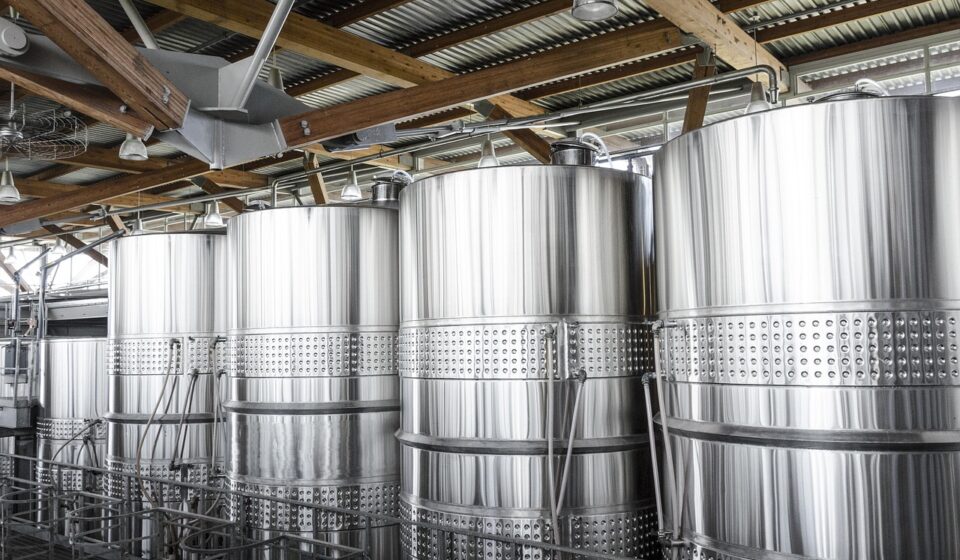
What process tanks do in modern production
Process tanks are vessels used to hold, blend, heat, cool, dissolve, react, age, clean or temporarily buffer materials during production. A workable specification starts with the process duty, not with the tank shape. The same nominal volume may require very different engineering depending on whether it handles a corrosive acid, a viscous resin, a food ingredient, a flammable solvent or a temperature-sensitive slurry.
For buyers, engineers and plant teams, the practical question is not just which tank size to buy. It is whether the vessel, fittings, agitation, heating or cooling, cleaning access, relief provisions and materials match the real operating envelope.
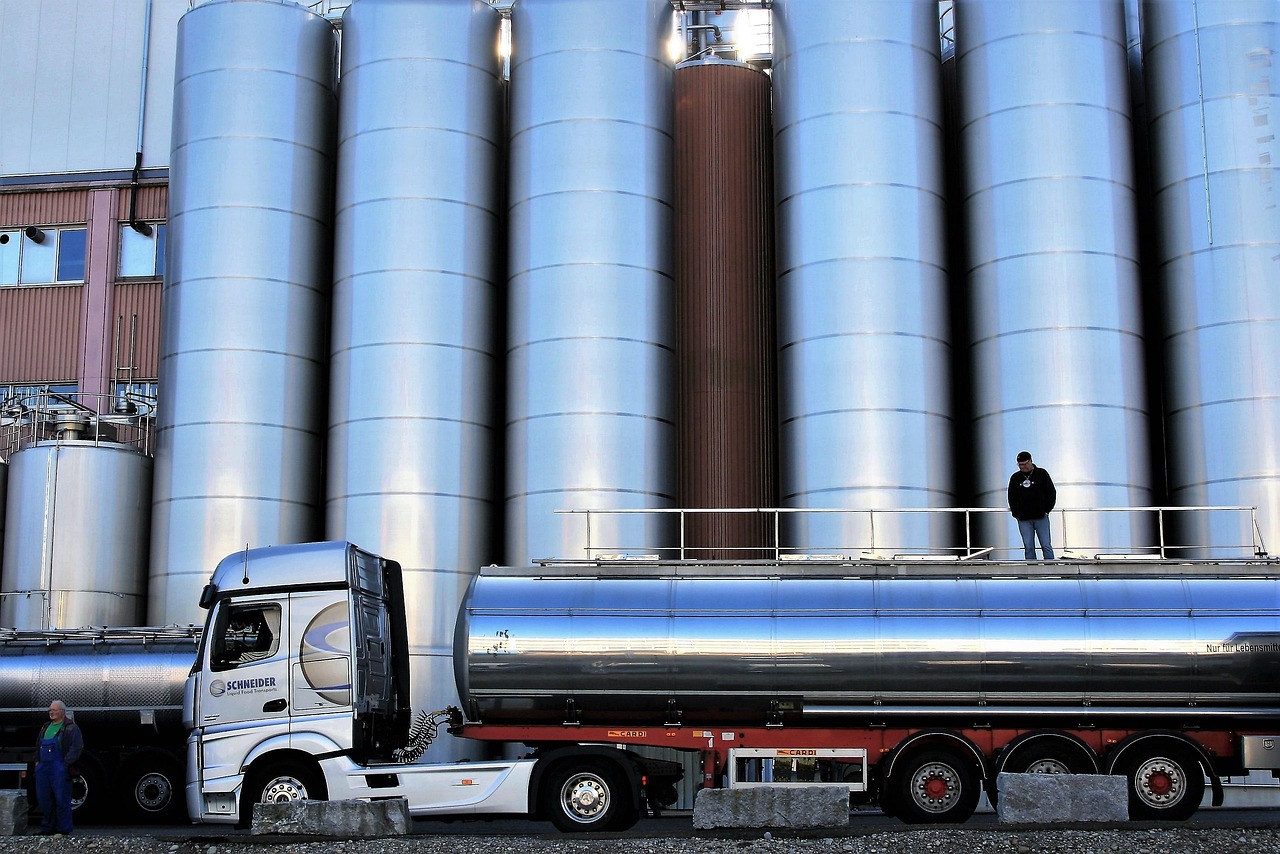
This article covers process tanks used in chemical, food, pharmaceutical-adjacent, water treatment and general industrial production. It is a technical overview for equipment selection and project planning, not a substitute for a code calculation, hazard review or local regulatory assessment.
Within the wider process equipment category, tanks often look simple from the outside. In practice, they connect mechanical design, process engineering, hygiene, operator safety and maintenance. Public references commonly used by engineers include ASME BPVC Section VIII for pressure vessel construction, API Standard 650 for welded steel storage tanks in oil service, OSHA process safety management requirements for covered hazardous chemical processes, and 3-A Sanitary Standards for hygienic equipment used in food and dairy applications.
Start with the duty before the geometry
The first decision is whether the tank is mainly a storage vessel, a batch processing vessel, a mixing tank, a surge tank, a sanitary holding tank or a pressure-rated vessel. Each duty changes the design priorities. A storage tank may emphasize capacity, containment, venting and corrosion allowance. A blending tank may depend on agitator power, baffle arrangement and batch turnover time. A jacketed process tank may need heat-transfer surface area, insulation and temperature control. A sanitary tank must be drainable and cleanable, with product-contact surfaces and fittings selected to avoid contamination traps.
Operating conditions should be written as ranges, not as a single ideal value. Useful inputs include normal volume, maximum working volume, minimum heel volume, design temperature, cleaning temperature, operating pressure, vacuum condition, specific gravity, viscosity, solids content, vapor generation, foaming tendency, corrosiveness, flammability and toxicity. If any value is uncertain, that uncertainty should be visible in the specification instead of being left to an informal vendor conversation.
Many specification problems begin when a tank is described only by capacity and material. A 10,000-liter stainless steel tank, for example, may be suitable for water-like blending but unsuitable for aggressive chloride exposure, vacuum service, sanitary clean-in-place operation or high-viscosity mixing. Capacity is only one requirement; the process duty defines the equipment.
Common types of process tanks
Process tanks can be grouped in several practical ways. The categories below are not rigid, but they help clarify the questions a purchaser should ask before requesting drawings or pricing.
| Tank type | Typical role | Key specification focus |
|---|---|---|
| Atmospheric holding tank | Storage, buffering or feed to downstream equipment | Venting, overflow, corrosion resistance, access and level measurement |
| Mixing or blending tank | Combining liquids, powders, additives or slurries | Agitator type, power, baffles, viscosity range and batch time |
| Jacketed process tank | Heating, cooling or temperature-controlled processing | Heat-transfer area, jacket design, insulation and temperature control |
| Pressure or vacuum tank | Processes above atmospheric pressure or under vacuum | Design code, relief devices, wall thickness and certification requirements |
| Sanitary tank | Food, beverage, dairy and other hygienic applications | Surface finish, cleanability, drainability, hygienic fittings and inspection access |
| Day tank or dosing tank | Small-volume feed to a process line | Metering accuracy, level control, chemical compatibility and secondary containment |
These types often overlap. A sanitary tank may also be jacketed and agitated. A chemical feed tank may require corrosion-resistant lining and vapor control. A batch reactor may resemble a process tank, but pressure, heat release, reaction kinetics and safety systems can move it into a more demanding engineering category.
Materials of construction and compatibility
Material selection is one of the most important decisions for process tanks. Stainless steel, carbon steel, lined steel, fiberglass-reinforced plastic, polyethylene and specialty alloys all have valid uses, but none is universal. The right choice depends on chemical compatibility, temperature, mechanical loads, cleaning method, abrasion, regulatory expectations and life-cycle cost.
Stainless steel is common where cleanliness, corrosion resistance and durability matter, but grade selection must consider chlorides, acids, caustics and cleaning chemicals. Carbon steel can be economical for non-corrosive or lined services, but corrosion allowance, coatings and inspection access become important. Plastic and composite tanks may resist certain chemicals well, yet they can have temperature, pressure, ultraviolet exposure and mechanical limitations. Lined tanks can provide chemical resistance while using a structural metal shell, but lining integrity and repair procedures must be included in the maintenance plan.
Compatibility should be checked against the actual concentration, impurities and temperature of the fluid, not just the chemical name. A mild solution at room temperature may behave very differently when heated, aerated, mixed with trace contaminants or cleaned with a stronger chemical. For hazardous or high-value service, written compatibility confirmation from chemical suppliers, materials specialists or qualified engineers is safer than relying on generic charts alone.
Mixing, heat transfer and internal design
When a tank is used for processing rather than simple holding, internal design can determine whether the system performs as intended. Agitator selection should reflect viscosity, density, solids loading, gas dispersion, heat-transfer needs and the required mixing result. A propeller, hydrofoil, pitched-blade turbine, anchor, gate or high-shear mixer may all be appropriate in different services. The wrong impeller can leave dead zones, overheat the product, entrain unwanted air or consume unnecessary power.
Baffles are another common design element. In low-viscosity blending, baffles can reduce vortexing and improve top-to-bottom circulation. In some high-viscosity or sanitary designs, however, internal obstructions may complicate cleaning or create product hold-up. For that reason, a process tank specification should state the mixing goal, such as dissolving powder, maintaining suspension, equalizing temperature or preventing stratification, rather than simply asking for an agitator.
Heat transfer also requires more than a jacket checkbox. The designer needs to know the heat-up or cool-down time, utility temperature, allowable product temperature, fouling tendency and whether agitation is continuous. Jacketed walls, dimple jackets, half-pipe coils, internal coils and external heat exchangers each have trade-offs. If the product is viscous or prone to fouling, agitation and cleanability may be as important as heat-transfer area.
Safety, standards and documentation
Standards do not all apply to every tank, and selecting the wrong reference can be costly. A pressure-rated process vessel is commonly evaluated under pressure vessel rules such as ASME BPVC Section VIII when required by the jurisdiction, purchaser or project specification. Large welded steel storage tanks for oil and related services are often associated with API Standard 650. Hygienic tanks for dairy and food production may be assessed against 3-A Sanitary Standards or similar sanitary design expectations. For facilities handling covered highly hazardous chemicals in the United States, OSHA process safety management rules require attention to process safety information, operating procedures, mechanical integrity and hazard analysis for covered processes.
The key point is that a tank specification should identify the applicable code or standard only after the service is understood. A non-pressure atmospheric tank should not be casually described as a pressure vessel. A sanitary vessel should not be specified only by stainless steel grade if surface finish, weld quality, drainability and clean-in-place coverage matter. A hazardous chemical tank should not be treated as an isolated item if it is part of a regulated process with relief, instrumentation and containment requirements. See also: Storage Systems.
Useful documentation may include general arrangement drawings, nozzle schedules, material certificates, weld procedures, pressure or leak test records, surface finish records, agitator data, motor and gearbox information, inspection plans, cleaning instructions, relief device sizing basis and operating limits. For critical service, documentation should be planned before purchase because it is much harder to recreate after fabrication.
Cleaning, inspection and maintainability
A process tank that is difficult to clean or inspect can become a production bottleneck. Cleaning requirements should be defined early. Manual washdown, clean-in-place, steam cleaning, chemical cleaning, validated sanitation and simple rinse-out are not interchangeable. Hygienic production typically requires attention to crevices, dead legs, gasket materials, spray coverage, sloped bottoms and full drainability. Chemical service may require safe entry procedures, vapor control, neutralization and compatibility between cleaning agents and tank materials.
Inspection access is equally important. Manways, handholes, removable agitator components, external platforms, lighting, level instruments and sampling points influence how safely the tank can be operated and maintained. If the tank is insulated or jacketed, inspection of the outer shell, supports and nozzles may require special provisions. If the tank has a lining, inspection and repair access should be practical for the expected failure modes.
Maintainability also includes spare parts and standardization. Mechanical seals, bearings, gearboxes, spray devices, gaskets, valves and instruments should be selected with service life and availability in mind. A low purchase price can become expensive if a plant must stop production for hard-to-source seals or if cleaning takes longer than the batch itself.
A practical specification checklist
A concise checklist can prevent many common purchasing mistakes. Before requesting a quotation for process tanks, define the following items as clearly as possible:
- Process duty, batch size, working volume and minimum operating volume.
- Normal and maximum temperature, pressure and vacuum conditions.
- Fluid properties, including density, viscosity, solids, vapor pressure, foaming and corrosiveness.
- Material of construction, lining, coating or surface finish requirements.
- Agitation goal, impeller type if known, motor power, speed range and baffle requirements.
- Heating or cooling duty, utility type, heat-up or cool-down time and insulation needs.
- Nozzle schedule for feed, discharge, vent, overflow, sampling, instruments, cleaning and relief.
- Cleaning method, drainability, access openings and sanitary design requirements if applicable.
- Applicable codes, standards, jurisdictional rules and documentation requirements.
- Installation constraints, including footprint, height, support structure, lifting access and maintenance clearance.
- Instrumentation and controls, including level, temperature, pressure, load cells, alarms and interlocks.
- Secondary containment, ventilation, bonding, grounding or explosion protection where required by the hazard assessment.
This checklist is not a replacement for engineering design, but it helps convert a vague tank inquiry into a technical specification. It also makes vendor proposals easier to compare because differences in scope become visible.
Selection mistakes that increase risk or cost
Several recurring mistakes appear in process tank projects. The first is treating all tanks as storage tanks. A tank that mixes, heats, cools or contains hazardous vapor needs more engineering than a simple buffer vessel. The second is choosing material by habit. Stainless steel, carbon steel, plastic and lined construction each have limitations; the process chemistry should guide the decision.
The third mistake is leaving cleaning and maintenance questions until commissioning. If spray devices do not reach shadowed areas, if the bottom does not drain, or if the agitator cannot be removed without dismantling overhead piping, the plant inherits a long-term operating problem. The fourth is under-specifying documentation. For regulated, pressure, hygienic or hazardous service, missing records can delay acceptance even if the tank itself appears well built.
A final mistake is comparing quotations only by capacity and shell material. A lower-priced tank may omit insulation, platforms, instruments, testing, surface finish records, relief connections, spare parts or documentation. A more useful comparison separates vessel construction, agitation, heat transfer, controls, testing, logistics and after-sales support.
Frequently asked questions
Are process tanks the same as storage tanks?
Not always. A storage tank mainly holds material, while a process tank usually performs a production function such as mixing, heating, cooling, dissolving, reacting or buffering between process steps. Some tanks do both, but the specification should reflect the active duty.
When does a process tank need to be treated as a pressure vessel?
A tank should be reviewed as a pressure or vacuum vessel when it operates outside atmospheric conditions or when the purchaser, jurisdiction or project standard requires pressure vessel compliance. The exact threshold and required code depend on location, design conditions and service, so this decision should be confirmed by qualified engineering review.
Which material is best for chemical process tanks?
There is no universal best material. The correct material depends on the chemical, concentration, temperature, impurities, cleaning method, mechanical loads and required service life. Stainless steel, lined steel, plastics, composites and specialty alloys can all be appropriate in specific applications.
What information should be sent to a tank supplier?
At minimum, provide duty, capacity, operating conditions, fluid properties, material expectations, mixing or heat-transfer needs, nozzle requirements, cleaning method, applicable standards, documentation requirements and installation constraints. More complete input usually leads to fewer revisions and more comparable proposals.
Do sanitary tanks always require special fittings?
Sanitary tanks normally require hygienic attention to product-contact surfaces, welds, gaskets, drains, valves and cleaning access. The exact fittings depend on the product, cleaning method and applicable sanitary expectations. Simply choosing stainless steel does not make a tank sanitary.