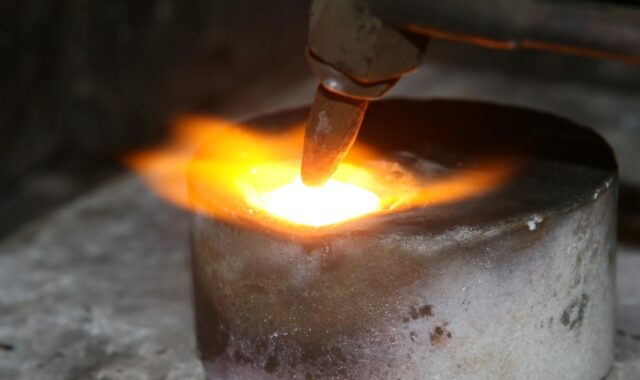
Chem lab equipment checklist for safe and reliable laboratory operations
What chem lab equipment includes
A chem lab equipment checklist should cover more than glassware and bench instruments. A dependable laboratory setup brings together measurement tools, reaction and sample-preparation apparatus, containment equipment, utilities, emergency systems, storage, waste handling, and maintenance records. The right list depends on the chemicals in use, batch or sample size, temperature and pressure conditions, ventilation needs, data quality requirements, and the experience level of the people using the lab.
In the United States, OSHA’s Laboratory Standard, 29 CFR 1910.1450, treats laboratory chemical work differently from production-scale chemical manufacturing. It focuses on laboratory-scale use of hazardous chemicals and requires a written Chemical Hygiene Plan when the standard applies. In practice, equipment selection should start with a risk assessment, not a catalog search. For more equipment-related industry topics, see the Process Equipment section.
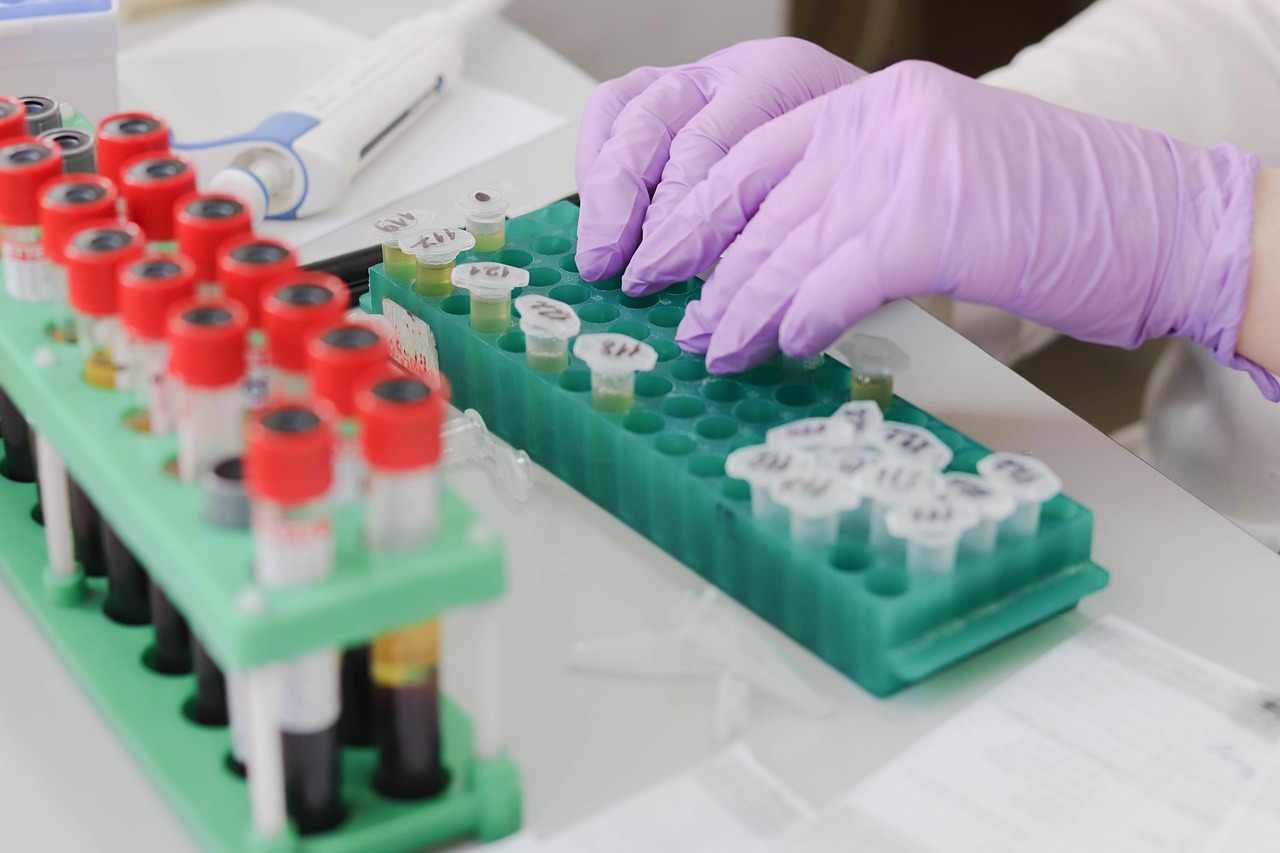
Core apparatus and instruments by lab function
A basic chemistry laboratory normally needs equipment for weighing, measuring, heating, mixing, separating, observing, and documenting. More advanced laboratories may add analytical instruments, automated sample preparation, controlled-atmosphere systems, or pilot-scale process equipment. The most useful way to plan chem lab equipment is to connect each item to a laboratory function, rather than buying by category name alone.
| Lab function | Common equipment | Selection priority |
|---|---|---|
| Measurement | Analytical balances, top-loading balances, pipettes, burettes, volumetric flasks, thermometers, pH meters | Accuracy, calibration records, environmental stability, ease of verification |
| Reaction and mixing | Beakers, flasks, stir plates, overhead stirrers, hot plates, heating mantles, condensers, reactors | Chemical compatibility, temperature range, pressure rating, agitation needs |
| Sample preparation | Centrifuges, grinders, homogenizers, filtration assemblies, ovens, furnaces, rotary evaporators | Containment, throughput, cleaning access, solvent compatibility |
| Analysis | Spectrophotometers, titrators, chromatography systems, moisture analyzers, viscometers | Method requirements, detection limits, software control, service support |
| Utilities | Vacuum pumps, water purification systems, gas regulators, refrigerators, freezers, compressed gas storage | Capacity, safety controls, alarm functions, utility connections |
Not every laboratory needs every instrument. A teaching lab may need durable shared apparatus and clearly labeled safety systems. A quality-control lab may need validated methods, calibration traceability, and backup capacity for critical tests. A research lab may prioritize flexible layouts, special materials of construction, and modular equipment that can be reconfigured as experiments change.
Safety and containment equipment is part of the system
Safety equipment should be treated as core chem lab equipment, not an accessory added at the end. OSHA’s Laboratory Standard requires the Chemical Hygiene Plan to include criteria for engineering controls, personal protective equipment, hygiene practices, and measures to ensure that fume hoods and other protective equipment function properly. This matters because even a suitable instrument can create risk if it is installed in the wrong enclosure or used without compatible controls.
Chemical fume hoods and local exhaust
Chemical fume hoods are used to reduce exposure to airborne contaminants generated by volatile, toxic, odorous, or reactive chemicals. OSHA guidance and the National Academies’ Prudent Practices in the Laboratory both emphasize that hoods must be kept functional and should not be used as general storage cabinets. Large equipment placed inside a hood can disturb airflow, so clearance, sash position, face velocity checks, and service access should be reviewed before installation.
Glove boxes and ventilated enclosures are useful when work requires an inert atmosphere, isolation from moisture or oxygen, or additional operator protection. They are not interchangeable with fume hoods. A glove box may control atmosphere very well, but it can still require specific exhaust, filtration, or purge arrangements depending on the chemicals inside.
Biosafety cabinets are not chemical fume hoods
Laboratories that handle biological materials may need biological safety cabinets. The CDC and NIH Biosafety in Microbiological and Biomedical Laboratories guidance describes biosafety as a protocol-driven risk assessment, and it treats the BMBL as advisory best-practice guidance rather than a universal regulation. A biosafety cabinet is designed around containment of biohazards and HEPA-filtered airflow. It should not be assumed to control hazardous chemical vapors unless the specific cabinet type, exhaust connection, and procedure have been reviewed by qualified safety personnel.
Emergency and personal protective equipment
Emergency showers, eyewash units, fire extinguishers, spill kits, first-aid supplies, safety shields, compatible gloves, coats, goggles, and face protection all belong in the equipment plan. ANSI/ISEA Z358.1 is commonly used for emergency eyewash and shower performance, while NFPA 45 is frequently referenced for fire protection in laboratories using chemicals. Local adoption, building codes, insurer requirements, and institutional policy can affect what is required in a specific facility.
Storage, waste, and material flow often drive equipment choices
Chemical storage is an equipment decision. Cabinets, shelves, refrigerators, secondary containment trays, cylinder racks, and waste containers determine how materials move through the lab. A poor storage layout can turn a well-equipped laboratory into a high-risk workspace.
Practical storage planning starts with segregation. Flammables, oxidizers, acids, bases, water-reactive materials, compressed gases, and particularly hazardous substances should be evaluated separately. Flammable storage cabinets, corrosive storage cabinets, vented cabinets, gas cylinder restraints, and compatible secondary containment may be required. Chemicals that require ventilation should be stored in appropriate ventilated storage, not in a working fume hood needed for experiments.
Waste equipment is equally important. EPA hazardous waste rules, including RCRA generator requirements and the academic laboratory provisions in 40 CFR Part 262 Subpart K for eligible academic entities, show that waste handling is a regulated activity, not a housekeeping detail. Waste containers should be compatible with their contents, labeled according to the applicable program, kept closed when required, and positioned so spills can be controlled. A laboratory that generates solvent waste, acid digestion waste, heavy-metal residues, or reactive waste may need different containers and procedures for each stream.
Calibration, qualification, and maintenance protect data quality
Accurate chemistry depends on controlled measurement. Balances, pipettes, thermometers, pressure gauges, pH meters, conductivity meters, flow meters, ovens, incubators, and analytical instruments can drift over time. NIST guidance on metrological traceability and ISO/IEC 17025 principles are often used when laboratories need defensible calibration records and measurement uncertainty.
For routine equipment, a practical program should define calibration intervals, acceptance criteria, responsible personnel, record format, and action steps when equipment fails. A sticker showing a calibration date is not enough if the laboratory cannot show what was checked, what standard was used, whether the result was within tolerance, and how affected data were handled after an out-of-tolerance finding. See also: Storage Systems.
Maintenance should also be considered before purchase. Centrifuges may require rotor inspection. Vacuum pumps may need oil changes, cold traps, or solvent-resistant components. Water purification systems need cartridge replacement and microbial control. Refrigerators and freezers may require alarms, temperature mapping, and backup response plans. Fume hoods, biosafety cabinets, and other containment systems may require periodic inspection or certification according to facility policy and applicable guidance.
How to select chem lab equipment for a specific laboratory
A strong procurement process begins with the work to be done, not with the most advanced device available. The following sequence helps prevent overbuying, under-specifying, and hidden safety problems.
- Define the procedures. List the chemicals, quantities, temperatures, pressures, sample throughput, and expected hazards for each operation.
- Identify applicable rules and guidance. Review OSHA requirements, local fire code, waste rules, biosafety guidance, institutional policies, and method-specific requirements before selecting equipment.
- Match equipment to risk controls. Decide whether the task needs a fume hood, glove box, splash shield, explosion-resistant features, ventilation, grounding, interlocks, or remote operation.
- Check materials of construction. Glass, stainless steel, PTFE, polypropylene, ceramics, elastomers, coatings, and seals all have chemical and temperature limits.
- Verify facility compatibility. Confirm electrical load, exhaust capacity, water, drains, compressed gases, vacuum, floor loading, bench space, access clearance, and heat rejection.
- Plan cleaning and contamination control. Equipment that is difficult to clean can compromise analytical results or create residue hazards.
- Evaluate lifetime cost. Include consumables, calibration, preventive maintenance, spare parts, software, service contracts, training, and downtime risk.
This approach is especially important for laboratories connected to chemical processing, pilot plants, or scale-up work. A benchtop reactor, drying oven, solvent recovery unit, or vacuum system can behave like process equipment when it stores energy, uses flammable solvents, or handles reactive materials. Smaller scale does not remove the need for pressure relief, temperature control, compatible seals, and safe operating procedures.
Common mistakes to avoid
- Buying instruments without confirming the method. Detection limits, sample matrix, data integrity, and regulatory method requirements can make a cheaper instrument unsuitable.
- Using a hood as storage. Stored bottles and unused apparatus can block airflow and reduce the working space needed for safe handling.
- Ignoring utility constraints. Exhaust volume, power quality, heat load, water quality, and drain compatibility can limit equipment performance.
- Assuming one cabinet handles every hazard. Flammable liquids, corrosives, oxidizers, toxics, and gases may require different storage and ventilation approaches.
- Skipping training. OSHA’s Laboratory Standard requires employee information and training where it applies, and training is also essential for reliable results.
- Forgetting waste at the design stage. Waste containers, accumulation areas, spill containment, and pickup routes should be planned before work starts.
- Treating calibration as paperwork only. Calibration should connect directly to acceptance criteria, method validity, and decisions about affected results.
Standards and guidance to check before finalizing a checklist
The exact requirements for chem lab equipment vary by country, state, institution, chemical inventory, and type of work. Several widely used references help laboratories build a defensible checklist.
| Reference | Why it matters for equipment planning |
|---|---|
| OSHA 29 CFR 1910.1450 | Addresses laboratory use of hazardous chemicals, Chemical Hygiene Plans, controls, training, and proper functioning of protective equipment. |
| National Academies Prudent Practices in the Laboratory | Provides detailed guidance on chemical handling, storage, hood use, waste, and hazard evaluation. |
| NFPA 45 | Commonly referenced for fire protection considerations in laboratories using chemicals. |
| ANSI/ISEA Z358.1 | Commonly used for emergency eyewash and shower equipment performance and maintenance expectations. |
| CDC/NIH BMBL | Guides biosafety risk assessment and selection of biological containment practices and equipment. |
| EPA hazardous waste rules | Shape container selection, labeling, accumulation practices, and waste management procedures. |
| NIST and ISO/IEC 17025 principles | Support calibration traceability, measurement confidence, and defensible laboratory data. |
The main lesson is straightforward: a good chem lab equipment checklist connects the apparatus to the hazard, the method, the facility, and the quality system. A lab with fewer but correctly selected, maintained, and documented items is usually safer and more reliable than a lab filled with equipment that does not match its real work.
Frequently asked questions
What is the most essential chem lab equipment for a new laboratory?
Essential equipment normally includes balances, measuring glassware, pipettes, heating and stirring devices, compatible containers, basic analysis tools, PPE, emergency equipment, storage cabinets, waste containers, and ventilation or containment appropriate to the chemicals used. The final list should follow the laboratory’s procedures and hazard assessment.
Is a fume hood required for every chemistry lab?
Not every procedure requires a fume hood, but work with volatile, toxic, flammable, corrosive, or odor-producing chemicals often does. OSHA requires applicable laboratories to ensure that fume hoods and other protective equipment function properly when used as controls.
How often should lab equipment be calibrated?
There is no single universal interval. Calibration frequency should be based on manufacturer recommendations, method requirements, equipment stability, risk to results, usage level, past drift, and regulatory or accreditation expectations.
Can a normal household refrigerator be used for chemical storage?
A household refrigerator is generally not appropriate for flammable chemical storage because it may contain ignition sources and lacks lab-specific safety features. Chemical storage refrigerators or flammable-material refrigerators should be selected according to the hazard and applicable safety requirements.
What is the difference between lab equipment and process equipment?
Lab equipment is usually designed for small-scale testing, preparation, or analysis. Process equipment is designed for production or pilot-scale operation. The boundary can blur in scale-up labs, where benchtop reactors, dryers, filtration units, and solvent systems may need process-style controls for pressure, temperature, containment, and emergency response.