Toyota Innova maintenance tips for everyday reliability

Start with the schedule, then adapt it to real use
Toyota Innova maintenance tips work best when they start with the factory schedule for the exact vehicle and then account for how that vehicle is actually used. The Innova name covers different generations, engines, transmissions, and markets, including older diesel and petrol models, Innova Crysta variants, and Innova Hycross petrol or hybrid versions. For that reason, a single online interval should not replace the owner’s manual or maintenance booklet. As a practical rule, build the plan around the official kilometer-or-month interval, check fluids and tires between services, and shorten selected intervals when the vehicle operates in dust, heavy loading, long idling, rough roads, or frequent short trips.
For more practical upkeep guidance across equipment and vehicles, see our Maintenance Tips section.
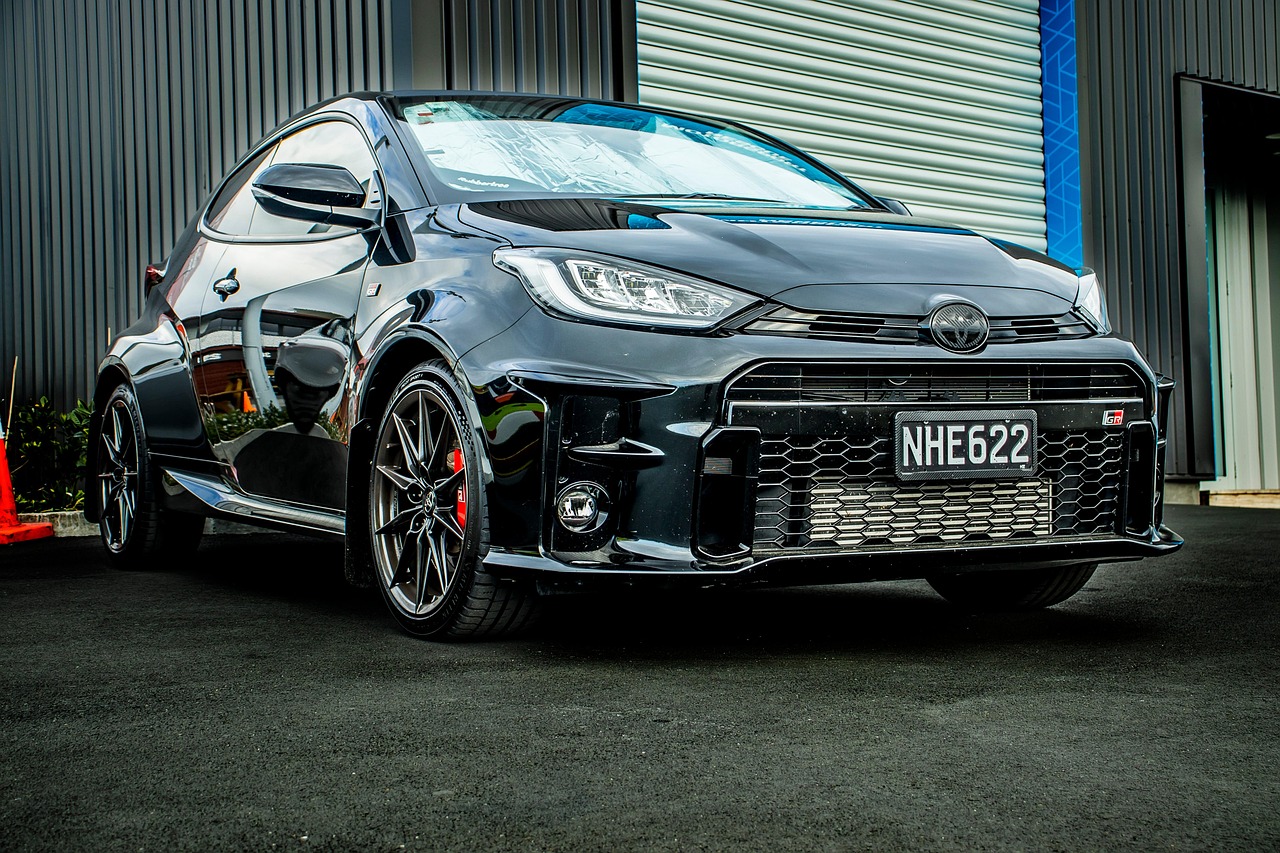
Know which Innova you are maintaining
The first maintenance mistake is treating every Toyota Innova as the same vehicle. A diesel Innova used as a commercial people carrier has different service risks from a privately used petrol Hycross. A hybrid Hycross also adds components such as a traction battery cooling intake filter, while older models may have different oil, coolant, belt, transmission, and fuel-system requirements.
Before setting reminders or ordering parts, confirm these details from the registration documents, owner’s manual, service booklet, or an authorized workshop invoice:
- Model generation, such as Innova, Innova Crysta, or Innova Hycross.
- Fuel type, including petrol, diesel, or hybrid petrol.
- Transmission type, such as manual, automatic, CVT, or e-CVT depending on market and variant.
- Odometer reading and date of sale or delivery.
- Previous service history, including oil grade, filter replacements, brake work, coolant service, and tire changes.
Toyota owner literature commonly defines maintenance symbols such as “I” for inspection, correction, cleaning, or replacement as necessary, and “R” for replacement, change, or lubrication. That difference matters. An item marked for inspection is not automatically due for replacement, but it still needs a proper check and follow-up if it is worn, contaminated, loose, leaking, or damaged.
A practical Toyota Innova maintenance schedule framework
The exact interval depends on market and model year, but many Toyota schedules are organized by whichever comes first: distance or months. Some Innova Hycross maintenance tables use 10,000 km or 6-month steps through 80,000 km or 48 months, while Toyota owner resources in some markets describe common maintenance visits at 5,000 miles or 6 months. Treat the shorter applicable trigger as the due date unless the official literature for your vehicle says otherwise.
| When to check | Main maintenance focus | Owner action |
|---|---|---|
| Weekly or before long trips | Tires, lights, visible leaks, washer fluid, warning lamps | Walk around the vehicle, check tire condition, and investigate new noises or warnings early. |
| Monthly | Tire pressure, battery terminals, fluid levels, wipers | Check tires cold, inspect the engine bay only when safe, and top up only with specified fluids. |
| Every scheduled service | Engine oil, oil filter, brake inspection, suspension check, underbody inspection | Follow the service booklet and keep a dated invoice or stamped record. |
| Dusty, muddy, heavily loaded, or high-idle use | Air filter, oil and oil filter, brakes, suspension, transmission fluid inspection | Use the severe-condition schedule instead of the normal-use schedule. |
| Long-life items | Coolant, spark plugs, transmission fluid, drive belts | Do not guess; verify the model-specific interval before replacing or deferring service. |
For a new or newly purchased used Innova, create a baseline service if the records are incomplete. At minimum, verify engine oil and filter, air filter, cabin filter, brake fluid condition, coolant level and condition, tire age, tire wear pattern, brake pad thickness, battery health, and any active warning messages.
Engine oil, filters, coolant, and fluids
Engine oil is the service item most owners recognize, but the important details are oil specification, interval, and operating condition. The wrong viscosity or low-quality oil can affect cold-start protection, fuel economy, and long-term engine cleanliness. Use the grade and specification listed for the exact engine, not a general recommendation taken from another Innova variant.
Check oil level on level ground and follow the manual’s procedure. Many Toyota manuals instruct owners to warm the engine, switch it off, wait a few minutes for oil to return to the sump, remove and wipe the dipstick, reinsert it fully, and then read the level. If the level is repeatedly low, do not simply keep topping up. Check for leaks, oil consumption, or an incorrect previous fill.
Filters need the same discipline:
- Oil filter: Replace it at the specified oil-change interval. Fresh oil with an old filter is poor practice.
- Engine air filter: Inspect it more often in dusty regions. A restricted filter can reduce performance, and dirt bypass can increase wear risk.
- Cabin air filter: Replace or clean it according to type and condition. Weak airflow, odor, and dusty vents are common warning signs.
- Fuel filter: Follow the exact schedule for the fuel system. Diesel and petrol variants may differ significantly.
Coolant intervals are often much longer than oil intervals. For example, some Innova Hycross schedules list an initial engine coolant replacement at a high kilometer reading and then a recurring interval afterward. Do not treat that as a universal rule for every Innova. Confirm the coolant type, replacement interval, and bleeding procedure before service, because air pockets or incompatible coolant can create overheating problems.
Tires, brakes, steering, and suspension
The Innova is often used as a family vehicle, taxi, airport shuttle, or long-distance people mover, so tires and brakes carry much of the maintenance load. Tire pressure should be checked when the tires are cold, ideally before the vehicle has been driven or after it has been parked long enough to cool. Use the pressure on the vehicle placard or in the owner’s manual, not the maximum pressure molded into the tire sidewall.
Uneven tire wear can point to alignment, balancing, suspension, or driving-condition issues. Rotate tires according to the manual, inspect tread depth across the full width, and check sidewalls for bulges, cuts, cracks, or impact damage. If the spare tire is fitted under the vehicle, include it in pressure and condition checks. A neglected spare often fails when it is needed most.
Brake maintenance should not wait for noise. Squeal, grinding, steering vibration under braking, longer stopping distance, or a soft pedal all need attention. Brake pads are normal wear items, but worn pads can damage discs or rotors if ignored. Brake fluid level and condition should also be checked; a falling level may reflect pad wear or a leak, and contaminated fluid can reduce braking performance under heat.
For steering and suspension, listen for clunks over bumps, uneven ride height, wandering, pulling, or abnormal tire wear. Toyota maintenance schedules often include inspections of suspension, ball joints, dust covers, drive shaft boots, steering components, chassis bolts, and underbody fasteners at defined intervals. These checks are especially important for Innovas that run on rough roads or carry heavy passenger loads.
Use the severe-condition schedule when the vehicle works hard
Many owners follow the normal service schedule even when their Innova is clearly working under severe conditions. Toyota maintenance guidance for Innova Hycross identifies examples such as rough or muddy roads, waterlogged roads, dusty roads, heavy loading, repeated short trips in very cold conditions, extensive idling or low-speed driving, taxi or delivery-style use, and prolonged high-speed driving.
These conditions change maintenance priorities. Dust loads the air filter and cabin filter faster. Idling accumulates engine hours without adding many kilometers, so the odometer may understate engine use. Rough roads accelerate tire, suspension, wheel alignment, and underbody wear. Heavy loading increases stress on brakes, tires, suspension, and cooling systems. See also: Storage Systems.
If your Innova is used commercially, in construction zones, in rural dusty areas, or for frequent airport and city runs, consider these adjustments:
- Inspect the engine air filter more often and replace it when restricted or damaged.
- Shorten engine oil and oil filter intervals where the manual specifies severe-use replacement.
- Inspect brake pads, discs, and parking brake operation more frequently.
- Check underbody, suspension joints, and drive shaft boots after rough-road use.
- Inspect transmission fluid condition where the schedule calls for severe-use checks.
- Wash road salt, mud, and chemical contamination from the underbody as soon as practical.
The goal is not to over-service the vehicle. It is to match maintenance to actual wear. Replacing good parts too early wastes money, but ignoring severe-use inspection points can turn minor wear into expensive repairs.
Hybrid-specific care for Innova Hycross models
Hybrid maintenance is not only about the engine. The Innova Hycross hybrid uses high-voltage components that should not be opened, cleaned internally, or repaired by untrained owners. At owner level, the main tasks are to keep cooling airflow clear, respond to warning messages, and avoid modifications that interfere with ventilation or electrical safety.
One model-specific item worth noting is the traction battery cooling intake filter. Toyota Innova Hycross owner guidance states that the hybrid battery cooling intake filter should be visually checked for dirt or dust at regular kilometer intervals and cleaned when necessary, with scheduled cleaning at a longer interval. This is a practical item for owners because blocked cooling airflow can affect battery temperature management.
Good hybrid habits include:
- Do not block battery cooling intake areas with bags, covers, mats, or aftermarket trim.
- Keep the cabin reasonably clean, especially if the vehicle carries pets, luggage, or dusty work clothing.
- Do not pressure-wash vents, electrical connectors, or battery-related areas.
- Investigate hybrid system warnings immediately instead of clearing messages and continuing to drive.
- Use qualified technicians for high-voltage diagnosis and repair.
Hybrid systems can reduce brake wear in some driving because regenerative braking helps slow the vehicle, but that does not eliminate brake maintenance. Pads, discs, calipers, brake fluid, and parking brake components still require inspection.
Keep records and avoid common maintenance mistakes
A clean maintenance record is more than paperwork. It helps the next technician diagnose problems, supports warranty discussions where applicable, and improves buyer confidence when the vehicle is sold. Keep invoices, record odometer readings, note oil grade, and list replaced parts. If work is done outside an authorized workshop, record the brand, specification, date, and mileage for fluids and parts used.
Common Toyota Innova maintenance mistakes include:
- Using a generic service interval without checking the exact model-year manual.
- Changing engine oil but skipping the oil filter.
- Ignoring the cabin filter until air-conditioning performance drops.
- Running tires at sidewall maximum pressure rather than placard pressure.
- Assuming a warning light is only a reminder without reading the message or diagnostic code.
- Cleaning the engine bay aggressively with water near electrical components.
- Delaying brake inspections until metal-to-metal noise appears.
- Using non-specified coolant, brake fluid, or transmission fluid.
For used Innovas, the best first step is a documented inspection rather than a shopping list of parts. Ask the workshop to separate urgent safety items, due scheduled maintenance, and optional preventive work. This avoids replacing parts blindly while still addressing real risks.
Frequently asked questions
How often should a Toyota Innova be serviced?
Use the owner’s manual or maintenance booklet for the exact model and market. Many schedules use a distance-or-time rule, meaning the service is due when either the kilometer limit or month limit arrives first. If the vehicle is used in severe conditions, selected items may need more frequent inspection or replacement.
Is 10,000 km a safe oil-change interval for every Innova?
No. Some Innova schedules are built around 10,000 km steps, but oil-change timing depends on engine type, oil specification, climate, fuel quality, and severe-use conditions. Taxi use, long idling, dust, heavy loading, or repeated short trips can justify shorter intervals where the manual specifies them.
What should I check before a long trip in an Innova?
Check tire pressure cold, tire tread, spare tire, jack and tools, engine oil level, coolant level, washer fluid, lights, wipers, brake feel, warning messages, and visible leaks. If the trip includes mountains, heat, rough roads, or full passenger loads, inspect brakes and tires earlier than usual.
Does the Innova Hycross hybrid need special maintenance?
Yes, but owner tasks are limited. Keep battery cooling intake areas clean and unobstructed, follow the hybrid-specific maintenance schedule, and never attempt high-voltage repairs yourself. Warning messages related to hybrid or traction battery cooling should be checked promptly by qualified technicians.
Can I maintain an Innova myself?
Owners can handle basic checks such as tire pressure, lights, washer fluid, visible leaks, wipers, and simple cleanliness tasks. Oil changes, brake work, coolant replacement, transmission service, suspension repairs, and hybrid diagnostics are better handled by trained technicians with the correct tools, fluids, and safety procedures.