Inflatable hot tub cleaning tips for clearer water and safer use

Effective inflatable hot tub cleaning tips start with treating the water, filter, liner, and cover as one system. Skim debris before it sinks, test sanitizer and pH before use or daily during busy periods, rinse the filter often, and wipe the waterline with a soft cloth. When water turns cloudy, foamy, slimy, or difficult to balance, drain the spa for a full clean instead of adding chemicals by guesswork. Inflatable spas hold a relatively small volume of warm water, so sweat, lotions, sunscreen, leaves, and low sanitizer can change conditions quickly. The best routine is regular light cleaning, careful testing, and a deeper clean before buildup becomes difficult to remove.
Why inflatable hot tubs need a different cleaning routine
Inflatable hot tubs are portable, softer under the body, and easier to store than many rigid spas. Those advantages also affect maintenance. The liner is usually a flexible vinyl or PVC-based material, so abrasive pads, stiff brushes, and harsh household cleaners can scuff or weaken the surface. Cleaning should rely on soft cloths, spa-safe products, and gentle rinsing rather than force.
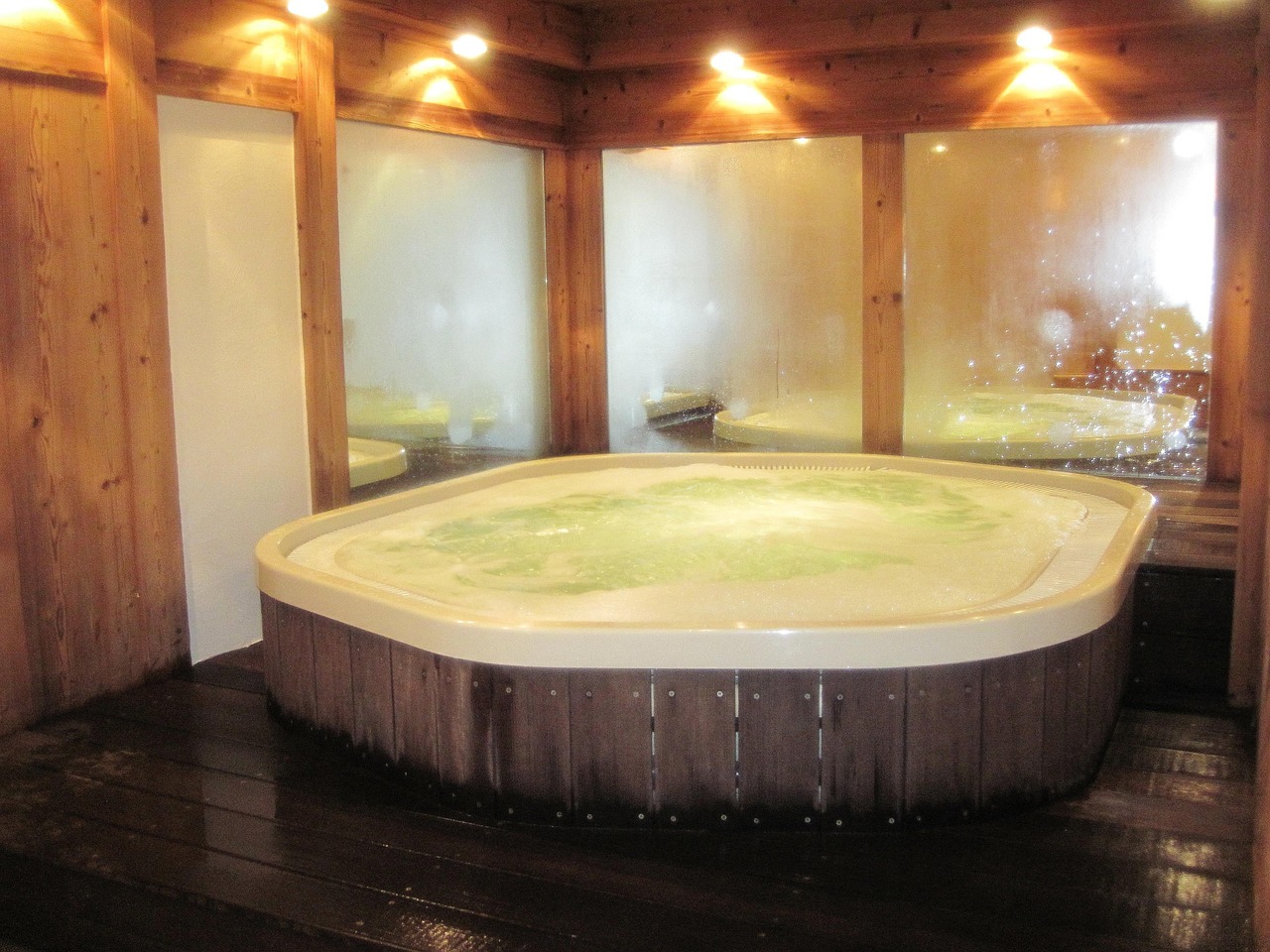
Water volume is another important difference. A compact inflatable spa can be affected quickly by a few bathers, especially at higher water temperatures. Body oils, cosmetics, grass, sunscreen, and fine debris all consume sanitizer and load the filter. The U.S. Centers for Disease Control and Prevention notes that hot tub maintenance depends on disinfectant, pH control, filtration, surface cleaning, and periodic draining. Manufacturer maintenance pages from Intex and Bestway give similar practical guidance: test the water, clean or replace filters, wipe surfaces, and refresh water when it can no longer be kept clean.
For a home inflatable tub, the product manual and chemical label should always take priority. Public hot tub guidance is still useful as a benchmark because it explains the same basic water-quality risks: warm water with low sanitizer and poor pH can allow germs and slime layers to persist.
Supplies that clean without damaging the liner
Before adding chemicals or scrubbing, prepare the right tools. A few gentle tools are more useful than a shelf full of cleaners that may not be compatible with the spa material.
- Test strips or a liquid test kit: Use a kit that measures sanitizer, pH, and total alkalinity. Some kits also measure calcium hardness.
- Soft microfiber cloths or non-abrasive sponges: Use them for the waterline, inside wall, outside liner, and cover.
- Skimmer net: Remove leaves, insects, and floating particles before they break down.
- Garden hose: Use it for rinsing filters, flushing surfaces, and refilling the spa.
- Replacement filter cartridges: Inflatable spa filters are small and can clog quickly, so keep spares available.
- Spa-safe sanitizer and pH products: Use products intended for spas or hot tubs, not random household chemicals.
- Optional spa vacuum: This can remove grit from the floor without draining the tub.
Avoid steel wool, magic-eraser style abrasive pads, dish soap, laundry products, glass cleaner, all-purpose cleaner, and scented household cleaners. Even when these products appear to clean the liner, they can leave residues that cause foam, irritate skin, or interfere with sanitizer. If a stain or scale deposit needs a special cleaner, choose a product labeled for spa or hot tub use and follow the manufacturer’s directions.
A practical inflatable hot tub cleaning schedule
The right schedule depends on bather load, weather, cover use, water chemistry, and the model. A lightly used covered tub may stay stable longer than one used by several people every evening. Use the schedule below as a starting point, then adjust it based on test results, filter condition, and water clarity.
| Timing | Cleaning task | Reason |
|---|---|---|
| Before each soak | Skim debris, check water clarity, and test sanitizer and pH | Warm water can change quickly, and visible clarity does not prove proper sanitation |
| After use | Replace the cover, remove obvious debris, and let filtration run as directed by the manual | Filtration captures suspended particles and helps distribute sanitizer |
| Daily during active use | Rinse or inspect the filter cartridge and confirm chemical balance | Small filters clog quickly with oils, hair, and fine dirt |
| Weekly | Wipe the waterline, clean the cover underside, check the air pressure, and consider shock treatment if the product system calls for it | The waterline collects oils and residues before the rest of the liner looks dirty |
| As needed | Drain, scrub, rinse, and refill | Cloudy, foamy, slimy, or hard-to-balance water is often easier to replace than rescue |
For more general upkeep topics, see the Maintenance Tips section.
Step-by-step cleaning without draining every time
Remove debris before it reaches the filter
Use a skimmer net before each use and whenever the cover has been off. Leaves, grass, and insects should be removed quickly because they break down in warm water and increase sanitizer demand. If dirt settles on the floor, use a spa vacuum or gently move it toward the filter intake while the system is running, as long as the manual allows normal circulation.
Wipe the waterline and cover
The waterline is where oils and lotions usually show first. Lower the water slightly if needed, then wipe the inside wall with a damp microfiber cloth or a sponge made for spa surfaces. Do not use dish soap to cut grease. Soap residue is one of the fastest ways to create persistent foam in a small inflatable tub.
The cover also needs regular attention. Condensation on the underside can carry residue back into the water. Wipe both sides with a clean damp cloth, rinse if needed, and let the cover dry before storage. A clean cover also helps reduce the dust and debris that enter the tub between uses.
Clean the filter cartridge correctly
Turn off and unplug the pump before removing the filter cartridge, unless the manufacturer gives a different procedure. Rinse the pleats from top to bottom with a hose, spreading them gently with your fingers so trapped dirt washes out. Do not use excessive water pressure, which can damage the pleats. If the filter remains gray, oily, distorted, cracked, or clogged after rinsing, replace it.
Some inflatable spa manuals recommend checking and cleaning filters daily during use. Others recommend weekly replacement or replacement when the cartridge stays discolored. Intex support materials also emphasize frequent rinsing and replacement as needed. The practical point is simple: a dirty filter is not only a water-clarity problem. It can reduce water flow, stress the pump, and make heating less efficient.
How to balance water after cleaning
Cleaning the liner and filter helps, but balanced water is what keeps the tub usable between drain-and-refill cycles. Test the water before adding chemicals. If the reading is outside the product’s recommended range, adjust total alkalinity first, then pH, then sanitizer. This order matters because unstable alkalinity can make pH swing up and down, which makes sanitizer management harder. See also: Storage Systems.
CDC public-spa guidance uses disinfectant and pH ranges to control water quality, and many home spa manuals provide their own ranges. For example, Intex support information for PureSpa maintenance lists pH, alkalinity, and free chlorine targets for its products, while Bestway and Coleman-style manuals emphasize using pool chemicals and chlorine or bromine tablets with the supplied dispenser. Because ranges and delivery systems vary by model, do not assume one online number applies to every inflatable spa.
Use only one sanitizer system at a time unless a product label specifically says otherwise. Chlorine and bromine are both common, but they are not interchangeable in the same feeder unless the manufacturer’s instructions allow it. Add chemicals in small measured amounts, circulate the water, and retest. If the water is still cloudy after proper filtration and balanced chemistry, draining and refilling may be more reliable than repeated chemical additions.
When to drain, deep clean, and refill
A full drain is the right choice when water quality stops responding to normal maintenance. Drain the tub if the water has a persistent odor, heavy foam, visible slime, unusual cloudiness, algae-like discoloration, or repeated sanitizer loss soon after dosing. Also consider draining after unusually heavy use, after the tub has been left neglected, or before seasonal storage.
- Turn off power and follow the manual’s draining process. Never let the pump run dry.
- Remove the filter cartridge. Replace it if it is worn, stained, or clogged.
- Rinse loose grit from the liner. This helps prevent scratching during wiping.
- Wipe the inside wall, floor, seats, fittings, and waterline. Use a soft cloth and spa-safe cleaner if plain water is not enough.
- Rinse thoroughly. Residues can create foam or affect sanitizer demand after refilling.
- Inspect seams, valves, and fittings. Look for leaks, trapped debris, or slime around difficult edges.
- Refill with clean water and rebalance before use. Start filtration and test before anyone enters.
Inflatable tubs should be completely dry before long-term storage. Moist folds can trap odor and encourage mildew on surfaces. Deflate only after cleaning, rinsing, and drying. Fold loosely rather than sharply, and store the tub away from pests, sharp tools, fuel, solvents, and extreme heat.
Mistakes that make inflatable hot tubs harder to clean
- Adding chemicals without testing: Guessing often causes overcorrection. Too much product can damage materials or make water uncomfortable.
- Mixing chemicals together: EPA chemical safety guidance warns against unsafe mixing and poor storage of pool chemicals. Add products separately according to the label, and never mix old and new chemicals in the same container.
- Using household cleaners: Many cleaners leave residues, foam, or compatibility problems in spa water.
- Ignoring the filter: A rinsed liner will not stay clean if the cartridge is loaded with oils and debris.
- Leaving the cover dirty: A dirty cover can drop dust, pollen, and residue back into freshly balanced water.
- Waiting too long to drain: Sometimes replacing the water is cheaper, faster, and safer than trying to correct overloaded water.
- Scrubbing aggressively: Flexible liners need gentle cleaning. Hard brushes may create dull spots or damage printed surfaces.
Good water habits also reduce cleaning work. Shower before soaking when possible, keep food and drinks away from the tub edge, rinse swimwear that may contain detergent, and keep the cover on when the spa is not in use. These small steps reduce oils, lint, and debris before they enter the water.
Frequently asked questions
How often should I clean an inflatable hot tub filter?
During active use, inspect and rinse the filter daily or after each soak if the tub is used heavily. Replace it when it remains dirty after rinsing, becomes discolored, cracks, loses shape, or causes low-flow problems. Many inflatable spa manuals recommend frequent cleaning and regular replacement because the cartridges are small.
Can I use bleach to clean an inflatable hot tub?
Do not use household bleach as a casual liner cleaner unless your spa manufacturer specifically allows it and gives dilution instructions. Spa water treatment and surface cleaning should use products labeled for that purpose. Random household chemical use can create residue, damage materials, or interact with other water-treatment products.
Why is my inflatable hot tub foamy after cleaning?
Foam often comes from soap residue, body oils, cosmetics, detergent in swimwear, low sanitizer, or overloaded water. Rinse surfaces thoroughly, clean or replace the filter, test and balance the water, and avoid household cleaners. If foam persists after correction, drain and refill the tub.
How do I know when the water should be replaced instead of treated?
Replace the water when it stays cloudy, smells unusual, feels slimy, foams heavily, or will not hold sanitizer after normal balancing. Small inflatable tubs can reach a point where draining, wiping, and refilling is more effective than adding more chemicals.
Should I clean the tub before storing it?
Yes. Drain, wipe, rinse, and dry the liner, cover, fittings, and accessories before storage. Store the spa dry and loosely folded in a clean location. This helps prevent odor, mildew, staining, and damage to valves or seams.