Essential oil distillation equipment selection guide for steam and hydrodistillation
What essential oil distillation equipment must accomplish
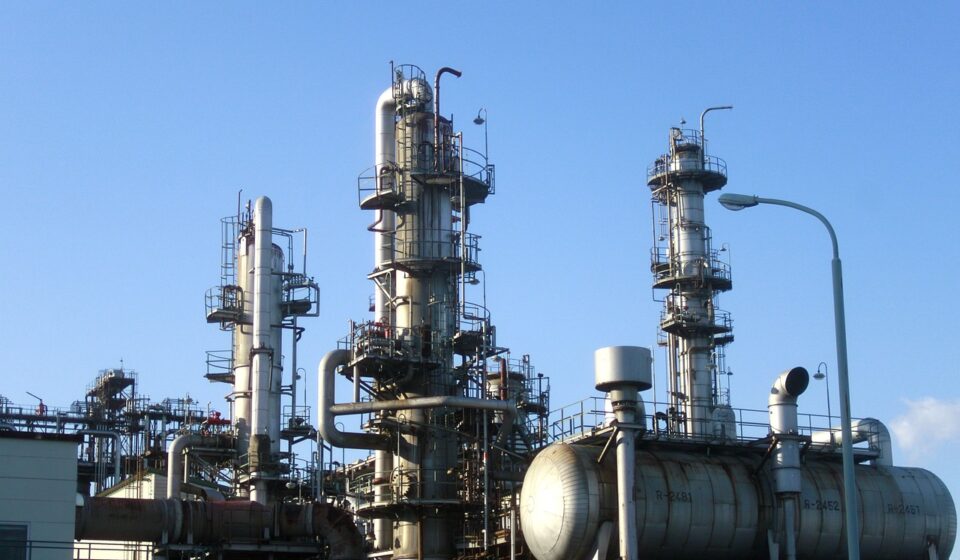
Essential oil distillation equipment has a straightforward job, but the engineering details matter. The system must release volatile aromatic compounds from botanical raw materials, carry them with water vapor, condense that vapor, and separate the oil from the aqueous distillate. A suitable unit is not defined by vessel volume alone. It depends on the plant material, extraction route, steam control, condenser duty, oil-water separation behavior, cleaning requirements, and pressure safety.
Public technical references, including FAO and UNIDO materials on essential oil production, consistently distinguish water distillation, water and steam distillation, and steam distillation as the main process routes. For buyers and process engineers, the practical question is not simply which distiller to buy. It is which equipment arrangement can provide controlled heat transfer, stable vapor flow, clean condensate handling, and repeatable batch operation.

For more equipment-focused articles, see the Process Equipment section.
How the main distillation routes change equipment design
Industry vocabulary matters because each extraction route calls for a different hardware layout. ISO 9235:2021, a vocabulary standard for aromatic natural raw materials, defines essential oils by production route, including steam distillation, mechanical processing of citrus epicarp, or dry distillation, followed by physical separation of the aqueous phase where relevant. For most botanical distillation lines, the key comparison is among hydrodistillation, water and steam distillation, and direct steam distillation.
| Process route | Basic equipment arrangement | Typical advantage | Main limitation |
|---|---|---|---|
| Hydrodistillation | Botanical charge is immersed in boiling water inside the still. | Simple layout and lower mechanical complexity. | Heat control is harder, and localized overheating can affect sensitive materials. |
| Water and steam distillation | Plant material is held above boiling water, often on a grid or perforated support. | Reduces direct contact between solids and boiling water while keeping the system relatively simple. | Batch loading, packing density, and water level control become important. |
| Direct steam distillation | Steam is produced by an external boiler or steam generator and introduced below or through the plant bed. | Better operator control over steam rate and faster restart between batches. | Requires additional pressure, piping, boiler, and safety considerations. |
FAO guidance on essential oil crops notes that externally generated steam can provide more control than direct heating beneath the vessel. That does not automatically make direct steam distillation the best choice for every operator. A small farm-scale hydrosol operation, a pilot extraction lab, and a production plant supplying fragrance or flavor intermediates may have different priorities. Selection should start with the botanical material and intended product, then move to heat source, vessel geometry, condenser capacity, and separator design.
Core components in an essential oil distillation line
A practical distillation system is a set of coordinated components, not a single pot. Each component affects yield consistency, product handling, safety, and cleaning time.
Steam source or heat source
The heat source may be direct fire, electric heating, jacketed heating, internal coils, or an external boiler. Direct fire and simple electric heating reduce upfront complexity, but temperature control and energy input may be less uniform. External steam systems add capital cost and compliance work, yet they often give operators better control of steam flow, especially in plants running repeated batches.
Distillation vessel
The still holds the botanical charge and must allow vapor to contact the material evenly. Important features include a secure lid, vapor outlet, drain, manway or loading port, support grid, and adequate freeboard. For steam distillation, bottom steam distribution is especially important. Poor distribution can create preferential channels through the plant bed. When steam bypasses part of the charge, the batch may finish unevenly even if the vessel volume appears sufficient.
Plant support grid and packing space
The grid or basket supports the biomass and helps maintain a vapor path. Fragile flowers, leaves, seeds, roots, and wood chips respond differently to compression. Overpacking can restrict vapor flow; underpacking can reduce equipment utilization. For this reason, capacity should not be judged only by liters. The same vessel volume can process very different masses of fresh lavender, dried mint, citrus peel, or chipped roots.
Condenser
The condenser converts vapor into liquid distillate. Shell-and-tube, coil, and other condenser designs can work if they provide enough surface area and cooling water flow for the expected vapor load. An undersized condenser can cause vapor losses, inconsistent recovery, and operational hazards. An oversized condenser may add cost without solving upstream issues such as channeling, poor steam control, or unsuitable raw material preparation.
Oil-water separator
The separator, often called a Florentine separator in essential oil practice, allows oil and water phases to separate by density. Many essential oils are lighter than water, but not all are. Some oils are denser, and some form emulsions or remain partly dissolved in hydrosol. Separator geometry, residence time, drain position, and the operator’s ability to remove the correct phase all influence practical recovery.
Receiving, storage, and cleaning connections
Essential oils are concentrated aromatic materials, so contact surfaces, dead zones, and residues need attention. Receivers should be cleanable, protected from contamination, and compatible with the product. Where hygiene, fragrance carryover, or product changeover is important, operators should review drainability, access for inspection, gasket selection, and whether clean-in-place features are justified.
Sizing factors that affect yield and batch consistency
There is no universal capacity number for essential oil distillation equipment. Oil yield varies widely by species, plant part, harvest condition, comminution, moisture content, and distillation conditions. Equipment suppliers may describe capacity in liters, kilograms per batch, or both, but those figures are only useful when tied to a named raw material and packing method.
A reliable sizing discussion should answer four questions. What is the intended batch mass for the specific botanical material? How long will loading, distillation, cooling, discharge, and cleaning take? Is the target essential oil, hydrosol, or both? How many batches per day are realistic with the available labor, steam, cooling water, and storage?
The condenser and separator should be sized as carefully as the still. A large vessel connected to a weak condenser can lose volatile compounds or force the operator to reduce the steam rate. A good separator cannot correct poor condensation. Likewise, a powerful boiler does not guarantee better extraction if the plant bed channels or if the oil forms a stable emulsion that needs additional settling time.
Pilot testing is often more useful than a broad capacity claim. Public studies of essential oil distillation have used pilot-scale arrangements such as 50 L and 500 L prototype systems, but those figures should be read as research examples, not universal design standards. For commercial specification, the defensible approach is to test the actual plant material; record raw material mass, distillation time, cooling water demand, recovered oil, hydrosol volume, and cleaning time; and then scale with engineering judgment. See also: Storage Systems.
Materials, pressure, and safety considerations
Material selection affects both product quality and mechanical reliability. Stainless steel is commonly used for industrial and pilot essential oil distillation because it resists corrosion, is cleanable, and is familiar to process equipment fabricators. The appropriate grade and surface finish still depend on the botanical material, cleaning chemicals, chloride exposure, operating temperature, and whether the equipment is used for food, cosmetic, fragrance, or research applications.
Copper stills are historically associated with some aromatic distillation practices. Modern process specifications, however, often prefer stainless steel when repeatable cleaning, documentation, and corrosion control are priorities. This is not a universal rule. The correct material decision should consider product compatibility, maintenance skill, regulatory expectations in the target market, and the cost of replacement parts.
Pressure safety deserves early review. Systems using external steam, steam jackets, boilers, pressurized coils, or sealed vessels may fall under pressure equipment rules. In the United States, ASME Boiler and Pressure Vessel Code requirements are widely used for boilers and pressure vessels, while OSHA pressure vessel guidance emphasizes the consequences of leakage or rupture. In the European Union, equipment intended for potentially explosive atmospheres may require ATEX consideration, and pressurized assemblies may also need assessment under pressure equipment rules. The exact compliance route depends on jurisdiction, design pressure, volume, fluid, temperature, and installation context.
Practical safeguards include pressure relief devices, safe venting, visible pressure and temperature indication, condensate drainage, lockable steam isolation, protection against blocked outlets, and written operating procedures. These features should not be treated as optional accessories. Many distillation hazards come from routine operating errors: blocked vapor paths, closed valves, poor cooling water flow, overfilled stills, and attempts to open hot equipment too early.
How to compare small batch, pilot, and production equipment
Equipment comparisons are most useful when they focus on operating purpose rather than marketing labels. A compact bench or small batch unit can be suitable for learning process behavior, screening botanicals, or producing small volumes of hydrosol. It may not represent the thermal inertia, packing depth, or vapor distribution of a larger plant. A pilot unit should support controlled testing, reliable measurement, and repeatable cleaning. A production unit must be designed for throughput, operator safety, maintenance access, and documentation.
| Selection level | Primary question | What to verify before purchase |
|---|---|---|
| Small batch | Can the unit safely demonstrate the process for a specific plant? | Basic vapor path, condenser performance, separator visibility, and safe heating control. |
| Pilot scale | Can the system generate data for scale-up? | Mass balance, steam rate, cooling water use, batch time, cleaning method, and sampling points. |
| Production scale | Can the line run repeated batches with acceptable quality and downtime? | Pressure code needs, loading and unloading design, maintenance access, utilities, automation, and operator protection. |
For an equipment buyer, a useful supplier discussion should go beyond catalog volume. Ask whether the steam distribution can be inspected, how the separator handles oils heavier than water, whether the condenser duty is specified for the expected vapor load, what gaskets are used, and which parts are pressure-rated. If the supplier cannot answer these points clearly, the equipment may still work for simple applications, but the buyer carries more technical risk.
Specification checklist before ordering
Before selecting essential oil distillation equipment, prepare a process specification that includes the following points:
- Botanical species, plant part, fresh or dried condition, and expected particle size.
- Target product: essential oil, hydrosol, or both.
- Preferred process route: hydrodistillation, water and steam distillation, or direct steam distillation.
- Expected batch mass and desired number of batches per day.
- Available utilities, including steam, electricity, cooling water, fuel, drainage, and ventilation.
- Required construction material, gasket compatibility, drainability, and cleaning method.
- Condenser type, cooling water demand, and maximum vapor load.
- Separator design for oils lighter or heavier than water and for possible emulsions.
- Instrumentation for temperature, pressure, flow, and batch records.
- Applicable pressure, electrical, workplace safety, and hygiene requirements in the installation location.
This checklist helps prevent a common procurement mistake: buying a distillation vessel first and discovering later that the condenser, separator, utilities, or safety devices are underspecified. In botanical extraction, balanced system design usually matters more than one oversized component.
Frequently asked questions
Is steam distillation always better than hydrodistillation?
No. Steam distillation often gives better control over steam input and batch turnaround, especially with an external boiler, but hydrodistillation can be simpler and suitable for certain materials or small operations. The right choice depends on the botanical material, target product, scale, heat sensitivity, utility availability, and operator skill.
What is the most important component after the still vessel?
The condenser and separator are both critical. If vapor is not fully condensed, volatile compounds can be lost. If the separator is poorly matched to the oil’s density or emulsion behavior, recovery can remain inefficient even when distillation itself is adequate.
Does a larger vessel always increase output?
Not necessarily. Larger volume can increase batch capacity only if steam distribution, condenser duty, cooling water supply, loading method, and separation capacity scale with it. A larger still connected to inadequate downstream equipment can create longer batches and inconsistent recovery.
Which material is preferred for industrial essential oil distillation equipment?
Stainless steel is commonly preferred in industrial and pilot systems because it is cleanable, corrosion resistant under many conditions, and widely supported by process equipment fabricators. The exact grade should be selected based on product compatibility, cleaning chemistry, temperature, and local regulatory expectations.
Should pressure codes be considered for botanical distillation?
Yes, if the system includes boilers, pressurized steam, jackets, coils, or sealed vessels. Pressure requirements vary by jurisdiction and design details, so buyers should confirm applicable rules with qualified engineers, inspectors, and local authorities before installation.