Wood floor maintenance tips for cleaning, moisture control, and damage prevention
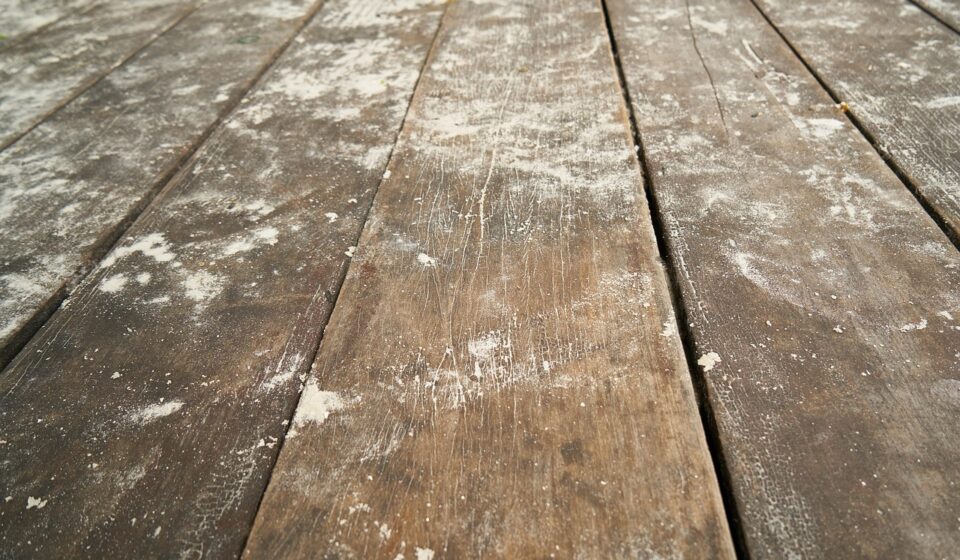
Wood floor maintenance starts with prevention
Effective wood floor maintenance tips focus less on aggressive scrubbing and more on controlling the conditions that shorten a floor’s service life: abrasive grit, standing water, harsh chemicals, unstable indoor humidity, and unprotected traffic. A workable routine removes dust before it scratches the finish, deals with spills before moisture reaches seams, keeps indoor conditions reasonably stable, and matches cleaning products to the specific floor finish.
In homes, offices, showrooms, and light commercial areas, the aim is not to make the floor look newly refinished every day. It is to slow visible wear, protect the finish layer, and identify small issues before they turn into sanding, recoating, or replacement work. For more facility upkeep guidance, see the Maintenance Tips section.
Understand what damages wood floors first
Wood floors are durable, but they are not inert surfaces. Wood expands and contracts as moisture conditions change, while the finish layer protects the surface from abrasion, staining, and limited liquid exposure. Most maintenance failures begin when that finish is scratched, softened, worn through, or exposed to more moisture than it was designed to tolerate.
The National Wood Flooring Association commonly emphasizes routine dust and dirt removal because grit acts like fine sandpaper under shoes, carts, chair legs, and cleaning pads. Once the finish becomes dull and abraded, the floor is harder to clean and more vulnerable to moisture and staining.
In practical terms, most floor damage falls into five categories:
- Abrasion: sand, grit, hard debris, pet nails, unprotected furniture, and dirty mop pads.
- Moisture: wet mopping, spills, leaks, high humidity, damp rugs, and tracked-in rain or snow.
- Chemical attack: cleaners that are too alkaline, too acidic, solvent-heavy, oily, waxy, or incompatible with the finish.
- Heat and vapor: steam mops, hot equipment, and direct sunlight that can stress coatings or discolor wood.
- Neglected wear: delaying recoating until traffic lanes have exposed bare wood.
A sound maintenance plan should therefore start with controls at entrances, under furniture, near water sources, and in any area where cleaning chemicals are stored, diluted, or transferred.
Build a routine cleaning process that protects the finish
The safest daily routine is dry soil removal. Sweep with a soft broom, dust mop with a clean microfiber pad, or vacuum with the bare-floor setting. Avoid rotating beater bars unless the vacuum manufacturer states that the attachment is suitable for wood floors. The objective is to lift grit from the surface, not drag it across the finish.
For weekly or as-needed cleaning, use a cleaner specifically labeled for the floor finish. A polyurethane-finished floor, an oil-finished floor, a waxed floor, and an engineered wood floor may all require different products. If the finish type is unknown, avoid improvised cleaning recipes and test any cleaner in a low-visibility area before applying it across a full room.
Damp cleaning should be controlled. The mop or pad should be lightly damp, not wet enough to leave puddles or visible water lines. Work in manageable sections, replace dirty pads often, and dry any damp areas quickly. Standing water can enter joints, end grain, scratches, or worn finish areas, leading to swelling, discoloration, cupping, or dark staining.
Be cautious with popular household shortcuts. Vinegar solutions may be too acidic for some finishes when used repeatedly. Ammonia, bleach, abrasive powders, oil soaps, silicone polishes, and generic multi-surface degreasers can dull, soften, contaminate, or make future recoating difficult. Steam mops should be avoided unless the flooring and finish manufacturer specifically permits them.
Cleaner safety also matters. The U.S. EPA Safer Choice program and indoor air quality guidance from the American Lung Association both highlight the importance of choosing products with safer ingredients, reading labels, ventilating during use, and never mixing incompatible chemicals such as bleach and ammonia. For maintenance teams, proper storage and labeling are as important as the cleaning method itself.
Control moisture and indoor climate
Moisture control is one of the most important wood floor maintenance tips because wood is hygroscopic: it absorbs and releases moisture as surrounding conditions change. Industry guidance frequently refers to a comfortable operating range around 30% to 50% relative humidity and 60°F to 80°F, although the correct range may depend on the flooring product, installation method, local climate, and manufacturer instructions.
Humidity that remains too low can contribute to gaps, shrinkage, checks, or noisy boards. Humidity that remains too high can contribute to cupping, crowning, edge swelling, and finish stress. Some seasonal movement is normal, but sharp or prolonged swings are a warning sign that HVAC, humidification, dehumidification, ventilation, or moisture intrusion should be reviewed.
Spill response should be simple and fast:
- Blot liquids immediately with an absorbent cloth.
- Do not spread the spill with a wet mop.
- Clean residue with a finish-compatible cleaner.
- Dry the area completely.
- Watch for darkening, raised grain, soft spots, or board movement over the next few days.
In kitchens, entryways, restrooms, utility rooms, and equipment-adjacent spaces, use mats that trap water and grit without holding moisture against the floor. Avoid rug pads or rubber backings that the flooring manufacturer does not approve, because some materials can discolor finishes or hold condensation. Lift mats periodically to check for dampness, grit, or finish changes underneath.
Reduce traffic, furniture, and chemical risks
Traffic control is part of maintenance, not only an interior design decision. Entry mats outside and inside doors reduce sand, salt, and water before they reach the wood. In commercial or workshop-adjacent areas, a two-mat system is often more effective: one mat to scrape debris and another to absorb moisture. Mats must be cleaned regularly; a dirty mat becomes a source of grit instead of a barrier.
Furniture should have clean felt glides or other wood-floor-safe protectors. Replace them when they become compressed, dirty, or detached. Heavy furniture should be lifted rather than dragged. Rolling chairs need floor-safe casters or protective chair mats, especially where the same path is used every day. See also: Storage Systems.
Sunlight is another gradual source of change. Ultraviolet exposure and heat can alter the color of wood and finishes. Curtains, blinds, UV-filtering window films, and periodic rug rotation can reduce uneven fading. These steps do not stop natural aging, but they can make color change more even.
Where wood floors are installed near maintenance shops, labs, storage rooms, or chemical equipment areas, written spill procedures become more important. Solvents, oils, alkaline cleaners, acidic residues, and process chemicals can damage wood finishes quickly. Keep concentrated chemicals away from wood flooring whenever possible, use secondary containment during transfer, and clean accidental drips according to the floor finish and the chemical safety data sheet.
| Risk | Why it matters | Practical control |
|---|---|---|
| Tracked grit | Scratches and dulls the finish | Use entry mats, dust mop often, clean mats weekly |
| Standing water | Can enter seams and swell boards | Blot spills fast and avoid wet mopping |
| Wrong cleaner | May dull, soften, or contaminate finish | Use finish-compatible products and test first |
| Furniture movement | Creates deep scratches and dents | Add felt pads and lift heavy items |
| Humidity swings | Can cause gaps, cupping, or movement | Monitor indoor RH and manage HVAC settings |
Match maintenance to the floor and finish type
Not all wood floors should be maintained the same way. The finish determines the cleaning chemistry, while the floor construction affects moisture tolerance and repair options.
Surface-finished wood floors
Many modern wood floors have polyurethane, waterborne, UV-cured, or similar surface finishes. These coatings form a protective film on top of the wood. Maintenance should focus on dry soil removal, approved wood floor cleaner, damp rather than wet mopping, and recoating before traffic lanes wear through to bare wood.
Oil-finished floors
Oil-finished floors often require cleaner and refresher products designed for that oil system. They may allow localized maintenance, but they can also be sensitive to the wrong detergent or excess water. Follow the finish manufacturer’s maintenance schedule rather than treating the floor like a generic sealed surface.
Waxed floors
Waxed floors need wax-compatible care. Water-based cleaners or acrylic polishes may create haze, adhesion problems, or slippery buildup. If a waxed floor must be converted to another finish system, old wax contamination can complicate the job, so professional assessment is usually worthwhile.
Engineered wood floors
Engineered wood has a real wood wear layer over a layered core. It may be more dimensionally stable than solid wood in some conditions, but it is still vulnerable to standing water and finish wear. Sanding options depend on wear-layer thickness, so preventive maintenance is especially important.
Use a maintenance schedule instead of guessing
A written schedule helps prevent over-cleaning, under-cleaning, and rushed product choices. The right frequency depends on traffic, pets, weather, footwear, and whether the space is residential, office, retail, or industrial-adjacent.
| Frequency | Task | What to check |
|---|---|---|
| Daily or after heavy use | Dust mop, sweep, or vacuum with bare-floor setting | Grit at doors, chair paths, food areas, and work zones |
| Weekly | Damp clean with an approved wood floor cleaner | Sticky residue, haze, dull traffic lanes, dirty pads |
| Monthly | Inspect mats, felt pads, casters, and high-traffic areas | Worn protectors, damp rug backing, scratches, finish loss |
| Seasonally | Review indoor humidity and HVAC performance | New gaps, cupping, crowning, or persistent dryness |
| Annually or as needed | Assess whether screening and recoating is needed | Traffic lanes that stay dull after cleaning |
| Before major work nearby | Protect flooring from dust, tools, liquids, and equipment | Temporary covers that do not trap moisture or adhesive residue |
The most valuable inspection point is the finish layer. If traffic lanes are dull but still protected, a maintenance coat may be possible. If bare wood is exposed, the repair may require deeper sanding and refinishing. Acting early usually preserves more material and reduces disruption.
Frequently asked questions
How often should wood floors be cleaned?
Dry cleaning can be done daily in busy areas and weekly in low-traffic rooms. Damp cleaning should be done only as needed with a cleaner made for the floor finish. More water is not better; clean pads and controlled moisture are safer.
Can a steam mop be used on wood floors?
In most cases, it is safer to avoid steam mops unless the flooring and finish manufacturer specifically allows them. Heat and water vapor can stress finishes, enter seams, and contribute to swelling or discoloration.
What humidity is best for wood flooring?
Many industry references use about 30% to 50% relative humidity and 60°F to 80°F as a common comfort range for wood flooring. However, the flooring manufacturer’s instructions and local climate conditions should be treated as the controlling guidance.
Is vinegar safe for cleaning wood floors?
Vinegar is often suggested as a household cleaner, but repeated use may be too acidic for some wood floor finishes. A finish-compatible wood floor cleaner is a safer choice, especially for newer, coated, oiled, or warranty-covered floors.
How do I know whether to recoat or refinish?
If the floor is dull but the finish is still intact, a professional may be able to clean, screen, and recoat it. If bare wood, deep staining, cupping, or severe scratches are present, sanding and refinishing may be required. The earlier wear is addressed, the more options usually remain.