Household maintenance tips for a safer, cleaner and more efficient home

Quick answer and priority checklist
The most useful household maintenance tips are not a long list of unrelated weekend chores. They are a repeatable system for preventing the problems that cause the most damage: water leaks, fire hazards, mold, poor indoor air, unsafe chemical storage and premature equipment failure. Start with a monthly walk-through of the home. Check visible plumbing, HVAC filters, dryer lint, smoke and carbon monoxide alarms, drains, appliance connections and the labels on stored cleaners or maintenance chemicals. Then use seasonal tasks for gutters, heating and cooling changeovers, exterior drainage and weather-related preparation. For more practical upkeep ideas, visit the Maintenance Tips section.
This guide takes a preventive-maintenance approach. Instead of waiting for a failure, it helps you identify early warning signs, set realistic intervals and decide when a job is safe to handle yourself.
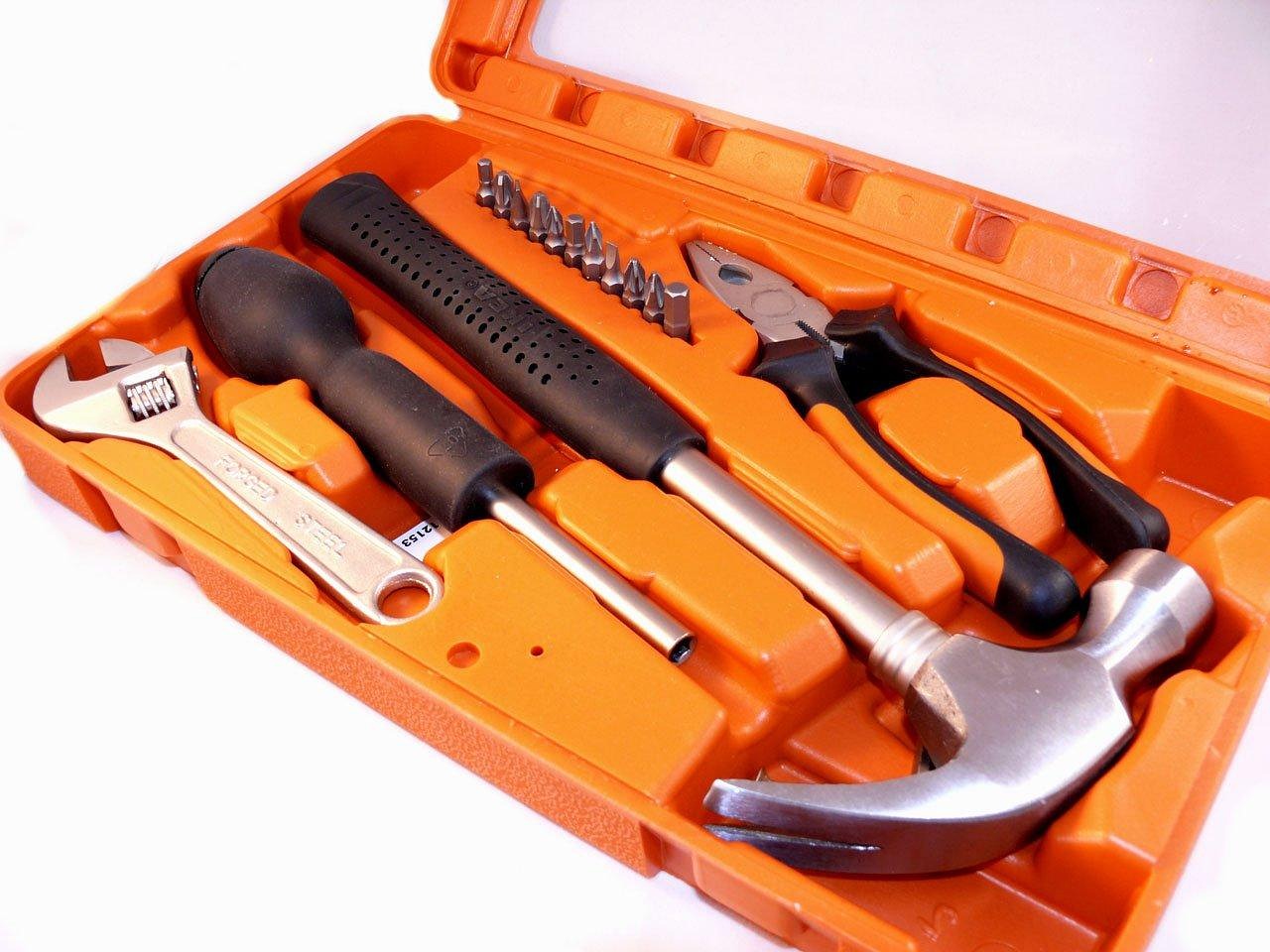
Build a maintenance calendar around risk, not random chores
A good household maintenance plan should be simple enough to repeat. The goal is not to inspect every item every day. It is to give high-risk systems more frequent attention and give low-risk items a practical seasonal check. Public guidance from agencies such as the U.S. EPA, CDC, U.S. Fire Administration and ENERGY STAR points to several consistent priorities: control moisture, keep air moving through clean filters, maintain alarms, prevent lint buildup and store household chemicals according to their labels.
| Interval | What to check | Why it matters |
|---|---|---|
| Every use | Clean the dryer lint filter; read labels before using cleaners, pesticides, solvents or disinfectants. | Lint buildup increases fire risk, while mislabeled or mixed products can create chemical hazards. |
| Weekly | Look under sinks, around toilets, near the washing machine and around the refrigerator or dishwasher. | Small leaks can damage cabinets, floors and walls before they become obvious. |
| Monthly | Test smoke and carbon monoxide alarms; inspect HVAC filters; check humidity and slow drains. | Monthly checks catch safety and air-quality problems before they spread through the home. |
| Quarterly | Inspect dryer vent airflow, refrigerator coils, caulk, grout, shutoff valves and stored household chemicals. | These items often fail gradually, so periodic checks are more useful than emergency attention. |
| Seasonally | Clean gutters, disconnect outdoor hoses before freezing weather, clear leaves from exterior drains and prepare heating or cooling equipment for the next season. | Seasonal changes create predictable stress on water, air and exterior systems. |
| Annually | Review alarm age, schedule service for systems that require a technician and dispose of outdated hazardous household products through local programs. | Some risks are tied to aging components, not daily use. |
Use the calendar as a baseline, then adjust it for your home. A house with pets, heavy laundry use, older plumbing or high humidity may need more frequent checks than a newer home with lower occupancy.
Control air, moisture and combustion risks
Indoor air quality is often overlooked because early problems are not always visible. Dust, moisture, combustion gases and chemical vapors can accumulate slowly. A simple inspection routine can reduce those risks without turning maintenance into a major project.
Check HVAC filters and airflow
ENERGY STAR advises homeowners to inspect, clean or change central air conditioner, furnace and heat pump filters regularly, with monthly checks being a practical habit during heavy heating or cooling seasons. A dirty filter can restrict airflow, make equipment work harder and allow dust to build up inside the system. Always use the filter size and rating recommended for the equipment, and do not operate the system without a filter in place.
A useful habit is to write the installation date on the filter frame or keep a note near the thermostat. If the filter is visibly loaded with dust before the usual interval, shorten the interval. If airflow from vents drops, rooms heat or cool unevenly, or the system runs longer than usual, a clogged filter should be one of the first items to check.
Keep humidity in a practical range
The CDC and EPA both emphasize moisture control as a core mold-prevention strategy. EPA indoor air guidance commonly points to an indoor relative humidity target around 30% to 50%, while CDC mold guidance advises keeping humidity no higher than 50% when possible. In practical terms, this means using exhaust fans in bathrooms and kitchens, repairing leaks promptly, improving ventilation in damp rooms and using a dehumidifier when needed.
If mold appears on a hard surface, cleaning the visible growth is only part of the job. The moisture source must be corrected, or the mold is likely to return. Repeated condensation on windows, musty odors, peeling paint, damp carpet edges and swollen baseboards are warning signs that humidity or water intrusion needs attention.
Maintain smoke and carbon monoxide alarms
The U.S. Fire Administration recommends testing smoke alarms every month and replacing smoke alarms after 10 years. Carbon monoxide deserves similar attention because, according to the CDC, it is an odorless and colorless gas that can be produced by fuel-burning furnaces, generators, grills and other combustion equipment. Follow the manufacturer’s replacement schedule for carbon monoxide alarms because sensing components age over time.
Do not treat a chirping alarm as a minor annoyance. It may signal a low battery, end-of-life warning or fault. Replace batteries when required by the model, replace expired devices and keep alarms outside sleeping areas according to local code and manufacturer instructions.
Keep water systems visible and leak-ready
Water damage often starts with a small defect: a loose supply line, worn toilet flapper, cracked caulk joint, blocked condensate drain or slow roof leak. EPA WaterSense estimates that average household leaks can waste about 180 gallons per week, or roughly 9,400 gallons per year. That water can also damage building materials, support mold growth and increase utility costs.
Use a simple water check once a month. Look under each sink with a flashlight. Run your hand along supply lines and drain traps to feel for dampness. Check the floor around toilets for softness or staining. Inspect washing machine hose connections and the area behind the machine if accessible. Look around the water heater for corrosion, dripping, damp insulation, stained pans or mineral deposits near fittings.
Toilets are a common hidden source of leaks. If a toilet runs between flushes, takes too long to refill or makes random refill sounds, the flapper or fill valve may need attention. A slow faucet drip is also worth fixing. EPA WaterSense has reported that a faucet dripping once per second can waste more than 3,000 gallons in a year.
Not every water problem is a do-it-yourself repair. Call a qualified professional if you see active water near electrical equipment, sewage backup, a leaking water heater tank, repeated pipe movement, ceiling stains that continue to spread, or a leak inside a wall or slab. The maintenance mindset is simple: catch the symptom early, but do not turn a high-risk repair into a safety hazard.
Store cleaning and maintenance chemicals like a small safety inventory
Many homes contain products that require the same basic discipline used in industrial maintenance: labeling, segregation, ventilation and controlled disposal. The EPA describes household hazardous waste as leftover household products that can catch fire, react, explode, or be corrosive or toxic under certain conditions. Common examples include certain cleaners, pesticides, solvents, paints, automotive fluids, pool chemicals, batteries and some aerosols.
Store these products in their original containers whenever possible. Keep labels readable, lids closed and containers upright. Do not transfer chemicals into drink bottles, food containers or unlabeled jars. Store incompatible products separately, especially oxidizers, acids, ammonia-based cleaners, solvents and pool chemicals. Keep them away from heat, flames, direct sunlight, floor drains and areas accessible to children or pets. See also: Storage Systems.
The CDC warns against mixing household bleach with other cleaners or disinfectants. That warning is especially important for products containing ammonia or acids, because the reaction can release harmful gases. If a label says to ventilate the area, wear gloves or avoid mixing with other products, treat that instruction as part of the maintenance task rather than optional fine print.
Once or twice a year, review stored products and set aside items that are expired, damaged, leaking or no longer needed. Disposal rules vary by location, so use local household hazardous waste collection programs when ordinary trash or drain disposal is not allowed by the label or local guidance.
Protect appliances and mechanical systems from overload
Appliances usually give warning signs before failure. Longer drying times, unusual vibration, musty washer odors, hot plugs, burning smells, frost buildup, water around the base or repeated breaker trips should not be ignored. These signs can point to airflow restrictions, blocked drains, worn seals, overloaded circuits or failing components.
For dryers, the U.S. Fire Administration advises cleaning the lint filter before and after each cycle. Also check that the outside vent opens freely and is not blocked by lint, nests, snow or vegetation. If clothes take longer than normal to dry, the issue may be a restricted vent rather than the dryer itself. A blocked vent can waste energy and increase fire risk.
For refrigerators, keep the door gasket clean and inspect it for gaps. If the model has accessible condenser coils, clean them according to the manufacturer’s instructions after disconnecting power where required. For dishwashers, scrape food waste before loading instead of relying on the machine to handle large debris. For washing machines, avoid overloading, use the correct detergent amount and inspect hoses for bulges, cracking or wet fittings.
Mechanical systems should not be forced to run in poor conditions. Do not ignore a furnace that short-cycles, an air conditioner with ice on the lines, a sump pump that fails to activate, or a disposal that hums but does not turn. Shut down equipment when continued operation may cause damage, then follow the manual or call a technician.
Know what to do yourself and when to call a professional
Household maintenance is safest when homeowners understand the boundary between inspection and repair. Most people can replace HVAC filters, test alarms, clean lint filters, check visible leaks, tighten a loose faucet aerator, clean safe surfaces and organize storage areas. These tasks reduce risk without opening sealed systems or disturbing electrical, gas or structural components.
Professional help is the better choice for gas odor, carbon monoxide alarms, repeated electrical trips, sparking outlets, refrigerant issues, roof leaks, sewage backup, active mold that keeps returning, major water intrusion, failing water heaters, damaged structural materials or any task requiring permits. If you are unsure whether a system is energized, pressurized, contaminated or load-bearing, stop and ask for qualified help.
The most effective home maintenance routine is not the longest one. It is the one you will actually repeat. Put monthly checks on a calendar, keep a small maintenance log and record the date of filter changes, alarm tests, hose replacements and repairs. Over time, this creates a history that helps you spot patterns before they become emergencies.
Frequently asked questions
How often should I do household maintenance?
Do a short visual walk-through every month and a deeper seasonal check four times a year. High-use items such as dryer lint filters need attention every use, while gutters, exterior drainage, hoses and weather-related tasks are usually seasonal.
What are the most important household maintenance tips for first-time homeowners?
Start with safety and water control. Test smoke and carbon monoxide alarms, learn where the main water shutoff is, inspect under sinks, check HVAC filters, clean dryer lint and label or organize stored chemicals. These steps address common risks before cosmetic upgrades.
How often should HVAC filters be changed?
Check the filter monthly during heavy use and replace or clean it when it is dirty, or according to the equipment and filter manufacturer’s instructions. Homes with pets, dust, renovations, allergies or continuous HVAC operation may need shorter intervals.
What household chemicals should not be mixed?
Do not mix bleach with ammonia, acids, vinegar, toilet cleaners or other disinfectants unless the product label specifically says it is safe. When in doubt, use one product at a time, ventilate the area and follow the label exactly.
Is preventive home maintenance expensive?
Most preventive tasks are low cost: filters, batteries, caulk, basic tools, cleaning supplies and scheduled inspections. The larger value is early detection. Finding a small leak, clogged filter or expired alarm early is usually cheaper and safer than responding after damage occurs.