Garden maintenance tips for healthier soil, fewer weeds, and steadier growth
Effective garden maintenance comes down to timing, observation, and a few repeatable habits. The most useful garden maintenance tips focus on soil condition, consistent watering, weed prevention, plant health checks, clean tools, and seasonal cleanup. A garden that is inspected weekly, mulched correctly, watered at the root zone, and cleared of diseased debris is usually easier to manage than one that is only corrected after visible damage appears. This guide outlines a practical maintenance system for home gardens, small landscape beds, and mixed vegetable or ornamental spaces. For more practical upkeep guides, visit our Maintenance Tips section.
Start with soil because it controls most maintenance work
Soil condition affects watering frequency, fertilizer needs, root growth, disease pressure, and how well plants tolerate heat or stress. Before adding more products or replacing plants, check whether the soil is compacted, poorly drained, low in organic matter, or unsuitable for the plants being grown.
A basic soil test is one of the best first steps. Many university extension programs recommend testing garden soil periodically instead of guessing fertilizer needs. A soil test can usually report pH and key nutrients, helping gardeners avoid unnecessary fertilizer use and identify amendments that are actually needed. This matters because excess nutrients can waste money and may contribute to runoff, while too little fertility can reduce plant vigor.
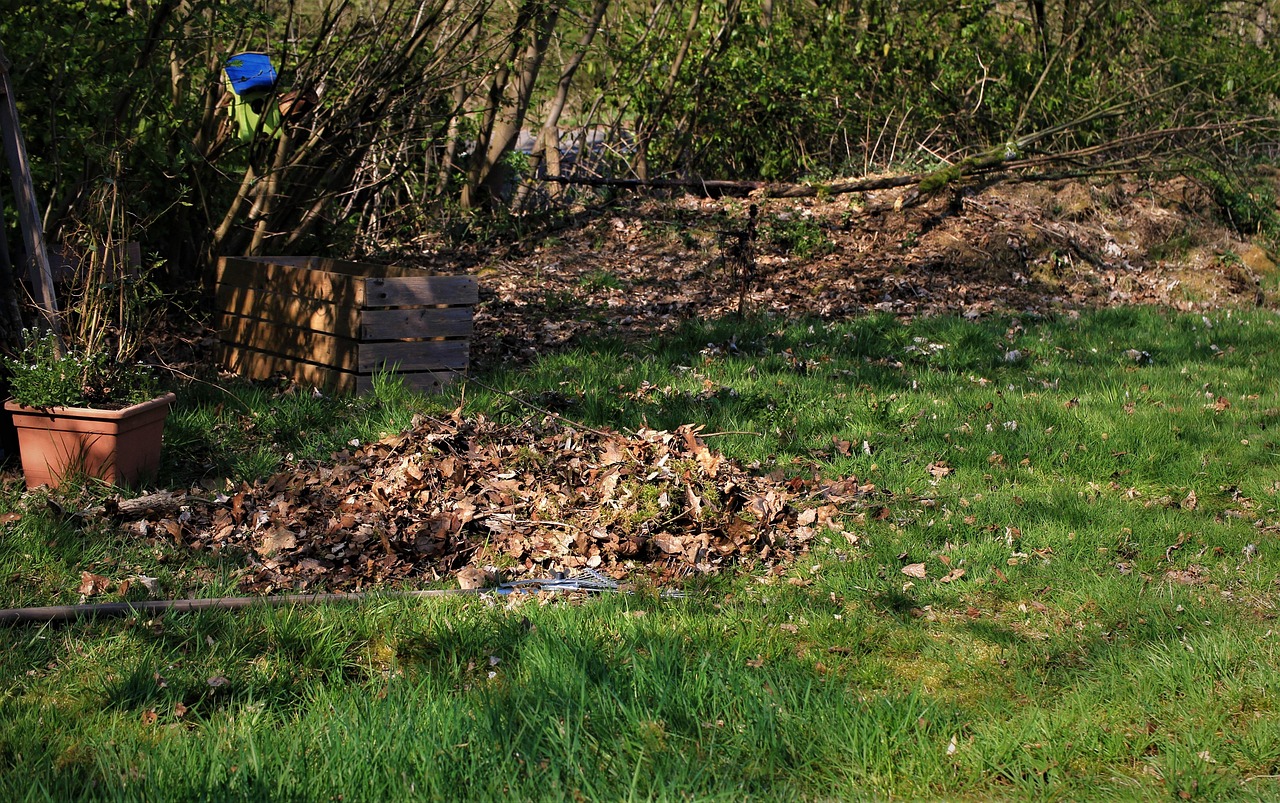
Organic matter is also central to long-term garden maintenance. Finished compost can improve soil structure, help soil hold moisture, and support plant growth. Public guidance from the U.S. Environmental Protection Agency describes composting yard trimmings and suitable food scraps as a way to recycle organic material into a soil amendment. For gardeners, the practical point is clear: compost is not only waste management; it is part of soil maintenance.
- Use finished compost, not fresh decomposing material, around active plant roots.
- Avoid burying large amounts of undecomposed leaves, wood chips, or grass clippings directly into planting beds, because decomposition can temporarily affect nitrogen availability.
- Do not assume more fertilizer is better; match amendments to plant needs and soil test results.
- Keep heavy foot traffic out of planting beds to reduce compaction.
Build a watering routine instead of reacting to wilt
Watering is simple to do and easy to get wrong. Light daily sprinkling can encourage shallow rooting and may leave lower soil layers dry. In many gardens, deeper and less frequent watering is more effective, especially for established plants. Extension guidance commonly uses about one inch of water per week as a general reference for vegetable gardens, including rainfall, although actual needs change with soil type, plant stage, heat, wind, and container size.
The aim is to keep the root zone evenly moist without keeping it saturated. Sandy soil drains quickly and often needs more frequent watering. Clay soil holds water longer but can become oxygen-poor if overwatered. Raised beds and containers dry faster than in-ground beds, particularly during hot weather.
How to check whether watering is working
Do not judge moisture by the surface alone. Push a finger, trowel, or soil probe a few inches into the soil. If the top looks dry but the root zone is still moist, wait before watering. If the surface is damp but lower soil is dry, the watering session may have been too short.
Water early and aim low
Watering near the base of plants reduces wet foliage and sends moisture closer to the roots. Early morning is often preferred because foliage can dry during the day and plants are under less heat stress. Drip irrigation, soaker hoses, and watering wands can all help deliver water more precisely than overhead sprinklers. When local drought restrictions apply, follow local rules first and adjust plant priorities accordingly.
Use mulch as a maintenance tool, not decoration only
Mulch is one of the most practical garden maintenance tools because it can reduce weed pressure, moderate soil temperature, and slow moisture loss. Organic mulches such as shredded leaves, straw, bark, composted wood chips, and clean plant residues also break down gradually and contribute organic matter over time.
Correct placement matters. A common maintenance mistake is piling mulch against plant stems, tree trunks, or crowns. This can hold moisture in the wrong place and may encourage rot or pest problems. Leave a small gap around stems and crowns, and keep mulch spread over the soil surface rather than heaped into mounds.
| Mulch type | Useful area | Maintenance note |
|---|---|---|
| Shredded leaves | Vegetable beds, perennial beds | Best when chopped so they do not mat tightly |
| Straw | Vegetables, paths, temporary beds | Use clean, weed-free material when possible |
| Bark or wood chips | Paths, shrubs, trees, ornamental beds | Keep away from trunks and plant crowns |
| Compost | Soil improvement, light surface dressing | Use finished compost and avoid thick layers against stems |
Mulch depth depends on material and plant type, but a moderate layer is usually better than an excessively thick one. Too much mulch can reduce air movement into soil or block light rain from reaching the root zone. Inspect mulch after heavy rain, wind, or irrigation and redistribute it where it has shifted.
Control weeds early while they are small
Weed control is easier when it is handled as a weekly maintenance task rather than an occasional rescue project. Weeds compete with garden plants for light, water, nutrients, and space. They can also restrict airflow and make pest inspection harder.
The best time to remove most weeds is before they flower and set seed. Hand pulling works well when soil is slightly moist and roots release more easily. A hoe can be efficient for young annual weeds, but deeper digging may bring more weed seeds to the surface. In mulched beds, check planting holes, bed edges, and path borders because weeds often appear where mulch is thin or disturbed.
Preventive weed habits
- Remove weeds before they produce seed heads.
- Cover bare soil with mulch, cover crops, or dense planting where appropriate.
- Clean soil from tools after working in weedy areas.
- Do not compost mature seed heads unless the composting process reliably reaches conditions that kill seeds.
- Keep paths maintained because weeds often spread inward from edges.
Herbicides are not the first answer for many home gardens, especially near vegetables, pollinator plants, or water features. If any pesticide or herbicide is used, read and follow the product label exactly. The label is the legal and safety reference for where, when, and how the product may be used.
Inspect plants weekly for pests, disease, and stress signals
A short weekly inspection can prevent many small problems from spreading. Walk slowly through the garden and look at the undersides of leaves, new shoots, flowers, stems, and the soil surface. Compare similar plants. If one plant looks different from the others, it may be showing early stress.
Common warning signs include yellowing leaves, chewed edges, sticky residue, webbing, spots, wilting despite moist soil, stunted growth, and sudden leaf drop. These symptoms do not always point to one cause. Yellow leaves, for example, may result from overwatering, nutrient imbalance, root damage, disease, or natural aging. Diagnosis should come before treatment.
Use integrated pest management principles
Integrated pest management starts with observation and identification. Not every insect is harmful, and not every damaged leaf requires treatment. Beneficial insects, weather, plant variety, and cultural practices all affect pest pressure. Remove small infestations by hand when practical, prune out localized diseased tissue where appropriate, and improve airflow or watering habits before reaching for chemical controls.
If disease is suspected, avoid working among wet plants because moisture can help spread some pathogens from leaf to leaf. Remove severely diseased annual plants when they are unlikely to recover, and dispose of infected material according to local recommendations rather than mixing it casually into garden beds. See also: Storage Systems.
Prune, deadhead, and clean up with a purpose
Pruning is maintenance, but unnecessary cutting can weaken plants. The purpose should be clear: remove dead or diseased growth, improve airflow, shape a plant, reduce crossing branches, encourage flowering, or keep paths and equipment access clear. Different plants respond to pruning at different times, so avoid using one rule for every shrub, tree, perennial, or vegetable crop.
For flowering shrubs, timing matters. Some bloom on old wood, meaning flower buds formed during the previous season. Others bloom on new growth. Pruning at the wrong time may remove flower buds. For vegetables, pruning can improve airflow and access in some crops, but heavy removal of healthy foliage can reduce photosynthesis and expose fruit to sunscald.
Tool cleanliness matters
Clean, sharp tools make better cuts and reduce tearing. Remove soil and plant sap from blades, sharpen cutting edges when needed, and clean tools after working on diseased material. Store tools dry to reduce rust. For powered equipment used around larger landscapes, follow the manufacturer’s maintenance instructions for blades, guards, fuel, batteries, cords, and protective equipment.
Match maintenance tasks to the season
A useful garden maintenance plan changes through the year. Exact timing depends on region, frost dates, rainfall, plant selection, and local climate, but the maintenance pattern is similar: prepare, monitor, support growth, harvest or deadhead, clean up, and protect soil.
| Season or period | Main maintenance focus | Practical tasks |
|---|---|---|
| Early spring | Preparation and inspection | Test soil if due, remove winter debris, check irrigation, divide suitable perennials, repair bed edges |
| Late spring | Weed prevention and planting support | Mulch after soil warms, stake plants early, monitor new growth, protect seedlings from pests |
| Summer | Water, heat, pests, and harvest | Water deeply, inspect weekly, deadhead flowers, harvest vegetables promptly, refresh thin mulch |
| Fall | Cleanup and soil protection | Remove diseased debris, compost suitable plant material, plant cover crops where appropriate, protect tender plants |
| Winter or dormant period | Planning and tool care | Clean and sharpen tools, review problem areas, plan crop rotation, order supplies before peak season |
This schedule is a framework, not a rigid calendar. A dry spring may require earlier watering. A wet summer may require more disease monitoring. A warm fall may extend harvest and weed growth. Good maintenance responds to conditions rather than dates alone.
Keep safety and sustainability part of routine maintenance
Garden maintenance involves tools, lifting, water, soil amendments, compost, fertilizers, and sometimes pesticides. Treat these as safety topics, not afterthoughts. Wear gloves when handling compost, thorny material, or unknown debris. Use eye protection when trimming, cutting, or operating powered equipment. Lift bags, pots, and stones with care, and divide heavy loads into smaller trips.
Sustainability also fits naturally into good maintenance. Compost suitable yard trimmings, leave healthy organic matter in the system where appropriate, reduce unnecessary fertilizer use, and water according to plant needs. Grouping plants with similar water requirements can reduce waste and make irrigation easier to manage. Choosing plants adapted to the local climate can lower maintenance demand over time.
Be cautious with treated wood, contaminated soil, unknown fill, or compost of uncertain origin in edible gardens. If the site has a history of industrial use, heavy traffic exposure, peeling exterior paint, or unknown dumping, consider soil testing for relevant contaminants before growing food crops. This is especially important in urban gardens and older properties.
Frequently asked questions
How often should a garden be maintained?
Most gardens benefit from a brief weekly inspection during the growing season. Watering, harvesting, and container care may be needed more often during hot or dry weather. Larger tasks such as soil testing, tool maintenance, bed renovation, and seasonal cleanup can be scheduled less frequently.
What is the most important garden maintenance task?
Soil and water management are the foundation. If soil structure, drainage, and watering are wrong, pest control and fertilizing become less effective. A practical routine should start with soil health, then add mulch, weed control, inspection, pruning, and seasonal cleanup.
Should garden beds be cleaned completely in fall?
Remove diseased plants, invasive weeds, and pest-infested material. Healthy plant residues can sometimes be composted or used to protect soil, depending on the crop, disease history, and local recommendations. Avoid leaving known diseased debris where it may carry problems into the next season.
How can beginners reduce garden maintenance?
Start small, choose plants suited to the site, mulch bare soil, group plants by water needs, and inspect weekly. A smaller well-maintained garden usually performs better than a large garden that cannot be watered, weeded, or monitored consistently.
Is compost enough to replace fertilizer?
Not always. Compost improves soil organic matter and can contribute nutrients, but nutrient content varies. A soil test is the better guide for deciding whether additional fertilizer is needed and which nutrients are actually lacking.
Conclusion
The most reliable garden maintenance tips are practical and repeatable: test and improve soil, water the root zone deeply, mulch correctly, remove weeds early, inspect plants weekly, prune with a purpose, and adjust tasks by season. These habits reduce emergency fixes and help plants grow with fewer avoidable stresses. A garden does not need constant intervention, but it does need consistent observation and timely care.