Pumps and valves in chemical processing systems and how to select them
Why pumps and valves should be specified as one system
Pumps and valves are often bought as separate equipment categories, but in chemical processing they operate as one hydraulic and control system. A pump creates flow and pressure. Valves direct, isolate, regulate or protect that flow. When they are not matched, a plant may see wasted energy, unstable control, cavitation, leakage, seal failure, water hammer, off-spec production or higher maintenance costs.
For engineers, buyers and maintenance teams reviewing pumps and valves, the main question is not whether a model has the right nameplate rating. It is whether the pump curve, valve characteristic, fluid properties, duty cycle, emissions requirements and maintenance plan all support the same process objective.
This is especially important in chemical service because fluids may be corrosive, viscous, toxic, flammable, crystallizing, shear-sensitive or temperature-dependent. A pump that performs well on clean water may be unsuitable for a slurry or acid transfer line. A valve that seals tightly in ambient utility water may create an unacceptable fugitive-emission risk in volatile organic compound service. Practical selection therefore starts with the process conditions, not the catalog page.
The core roles of pumps and valves
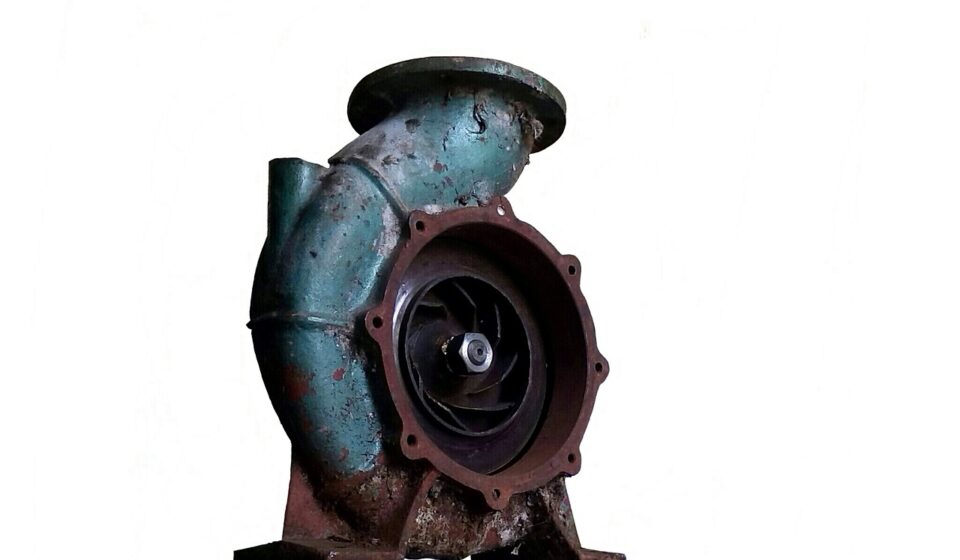
A pump is selected to move liquid from one condition to another. The decision normally begins with required flow rate, total dynamic head, suction conditions, fluid properties, operating temperature and pressure, allowable materials, sealing method and expected operating range. In many chemical plants, centrifugal pumps are used for relatively clean, low-to-moderate viscosity liquids. Positive displacement pumps are considered for higher viscosity fluids, metering duties or applications where flow must be less dependent on pressure variation.
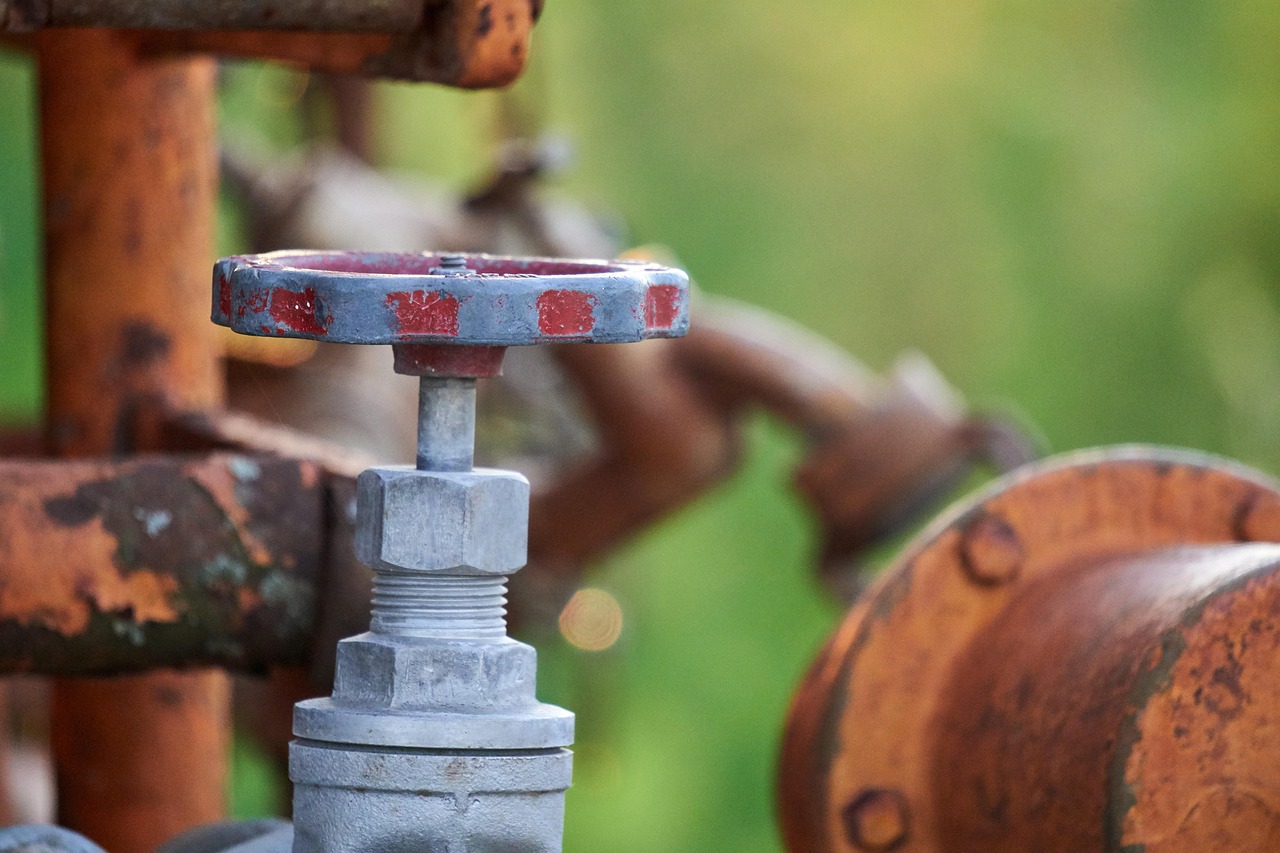
Valves perform different jobs in the same system. Isolation valves allow equipment to be shut off for maintenance. Control valves modulate flow, pressure, level or temperature. Check valves reduce the risk of reverse flow. Pressure relief and safety valves protect equipment from overpressure. Sampling, drain, vent and bypass valves support operation and maintenance. A reliable system usually uses several valve types around one pump, each with a specific role.
| System function | Typical pump or valve decision | Risk if poorly matched |
|---|---|---|
| Transfer from tank to reactor | Pump head and flow matched to piping losses and reactor pressure | Low transfer rate, cavitation or excessive recirculation |
| Flow regulation | Control valve sized for stable authority across expected loads | Hunting, noise, erosion or poor process control |
| Maintenance isolation | Isolation valves located for safe pump removal and line cleaning | Longer downtime and higher exposure risk |
| Backflow prevention | Check valve selected for orientation, velocity and closing behavior | Reverse rotation, water hammer or contamination |
| Emissions control | Low-emission valve packing and suitable pump sealing plan | Fugitive VOC or hazardous vapor release |
Selection starts with the fluid and duty cycle
The same pump and valve combination can behave very differently when density, viscosity, vapor pressure or solids content changes. Viscosity can reduce centrifugal pump performance and increase pressure drop through valves. Suspended solids can erode trim, impellers and seats. Corrosive liquids may require stainless steel, duplex alloys, lined valves, non-metallic wetted parts or special elastomers. Fluids with high vapor pressure make net positive suction head available, suction line design and temperature control more critical.
Duty cycle is just as important as the design point. A batch plant may run transfer pumps intermittently as tank levels change. A continuous process may operate close to one point for months. A cleaning-in-place line may face short periods of high temperature or aggressive chemicals. A neutralization system may see changing pH. Engineers should define normal, minimum, maximum, startup, shutdown and cleaning conditions before finalizing pump and valve sizes.
Questions to answer before selection
- What are the normal and maximum flow rates, and how often will each occur?
- What is the full temperature and pressure range, including cleaning and upset conditions?
- Does the liquid contain solids, dissolved gases, crystals, polymers or abrasive particles?
- Is the fluid flammable, toxic, odorous or regulated as a volatile organic compound?
- Will the line need frequent isolation, flushing, pigging, sampling or draining?
- Is the objective continuous control, accurate dosing, bulk transfer or emergency protection?
Energy efficiency is a system issue, not only a pump issue
Energy performance is often discussed as pump efficiency, but the larger opportunity is usually in the whole system. The Hydraulic Institute has emphasized pump system optimization, and its industry guidance has pointed to savings from reducing unnecessary losses, improving reliability and matching pump operation to actual process requirements. An article published by the Hydraulic Institute in May 2024 cited the U.S. Department of Energy’s 2002 Motor Market Assessment, which found that pumping systems had large optimization potential, with average net savings reported at 20.1% in assessed opportunities. That figure should not be treated as a guarantee for any single plant, but it explains why energy reviews look at piping, controls and valves as well as the pump itself.
One common inefficiency is using a throttling valve to force a fixed-speed pump to operate at a lower flow. This can be necessary in some processes. If it becomes the normal operating mode, however, the system may be converting purchased electricity into pressure drop and heat. Variable frequency drives, impeller trimming, parallel pump staging or a different pump selection may reduce waste where the process allows. The right solution depends on the system curve, static head, control requirements and the consequences of changing flow.
U.S. Department of Energy rules also show that pump energy performance is no longer only a voluntary engineering preference in some markets. DOE commercial and industrial pump regulations use defined test procedures and standards for covered pump categories, and a 2024 DOE final rule for circulator pumps set a compliance date of May 22, 2028. Chemical plants should not assume every process pump is covered by the same rule, but the broader direction is clear: documented efficiency and tested performance are becoming more important in procurement and lifecycle cost reviews.
Leakage and emissions are changing valve priorities
In chemical processing, valve selection is increasingly tied to emissions control, worker exposure and product loss. Fugitive emissions occur when gases or vapors escape unintentionally from sealed surfaces, including valve stem packing, flanges, connectors, pump seals and pressure-relief devices. The U.S. Environmental Protection Agency has identified valves and connectors as major contributors to equipment leaks in industrial facilities. A January 2024 EPA Region 5 technical resource stated that earlier EPA studies estimated valves and connectors account for more than 90% of emissions from leaking equipment, with valves being the most significant source. The same resource noted that a typical refinery or chemical plant can emit hundreds of tons per year of VOCs from leaking equipment, although actual results vary by plant design, service and leak detection program.
For valve buyers, this shifts attention from basic pressure class and end connection to stem sealing, packing design, qualification testing and maintenance access. ISO 15848-1 specifies measurement, test and qualification procedures for external leakage of stem seals and body joints on isolating and control valves intended for volatile air pollutants and hazardous fluids. In the API standards system, API 622 addresses process valve packing for fugitive emissions, API 624 addresses rising stem valves with graphite packing, and API 641 addresses quarter-turn valves. The applicable standard depends on valve type, service and owner specification.
Pump sealing decisions should be reviewed in the same emissions context. A packed gland may be acceptable in some utility services but unsuitable for toxic, flammable or valuable chemicals. Mechanical seal plans, seal support systems, magnetic drive pumps or canned motor pumps may reduce leakage risk in appropriate applications. These options can increase purchase price and maintenance complexity, so they should be justified by fluid hazard, operating consequences and lifecycle risk. See also: Storage Systems.
Control, safety and reliability considerations
Modern pumps and valves are also part of the automation layer. Control valves need a suitable flow characteristic, actuator, positioner and fail position. On-off valves may need limit switches, solenoids and proof-testing access. Pumps may require vibration monitoring, seal condition monitoring, bearing temperature monitoring, motor current trending or dry-run protection. These features are useful only when they are tied to a clear reliability or safety objective.
For safety instrumented functions in the process industry, IEC 61511 provides requirements for the specification, design, installation, operation and maintenance of safety instrumented systems. That does not mean every pump trip or automated valve is a safety instrumented function. It means that when a valve or pump is credited as part of a protective layer, the design must be handled with more discipline: defined safe state, proof-test interval, failure mode, diagnostic coverage, bypass management and maintenance procedure.
Reliability also depends on hydraulic stability. Pumps should not run continuously far away from their preferred operating region. Control valves should not be so oversized that they operate nearly closed during normal production. Check valves should not chatter at low flow. Suction piping should avoid unnecessary restrictions, high points that trap vapor, and layouts that create poor approach flow. These details can look minor on a drawing but become chronic maintenance issues after startup.
A practical selection workflow for chemical plants
A structured workflow helps prevent a common mistake: choosing equipment before defining the service. The following sequence is suitable for preliminary engineering, procurement review or troubleshooting existing systems.
- Define the service. Record fluid name, concentration, density, viscosity, vapor pressure, solids, corrosivity, toxicity, flammability, temperature and pressure.
- Build the hydraulic case. Calculate flow range, static head, friction losses, elevation change, suction conditions and control philosophy.
- Select the pump type. Compare centrifugal, positive displacement, magnetic drive, canned motor or specialty designs based on the service rather than habit.
- Select valve functions. Separate isolation, throttling, control, check, relief, drain and vent duties instead of asking one valve to do every job.
- Check materials and sealing. Confirm wetted materials, elastomers, gaskets, packing and mechanical seals against all operating and cleaning conditions.
- Review efficiency and controllability. Avoid routine operation that depends on severe throttling, bypassing or continuous recirculation unless technically necessary.
- Review emissions and safety requirements. Apply low-emission valve standards, leak detection expectations and safety instrumented system requirements where relevant.
- Plan maintenance access. Ensure isolation, lifting space, drain points, seal access, instrument visibility and spare-part strategy are considered before installation.
Common mistakes to avoid
- Oversizing for comfort. Excess pump margin can lead to throttling, high vibration, seal wear and poor control.
- Ignoring minimum flow. Some pumps require continuous minimum flow protection to prevent overheating or internal damage.
- Treating control valves as pipe fittings. A control valve must be sized for authority, rangeability, noise, cavitation and actuator performance.
- Using one material rule for all services. A material that resists one acid, solvent or temperature may fail in another.
- Forgetting startup and cleaning conditions. Temporary conditions may create the highest pressure, temperature or corrosion risk.
- Separating energy and reliability reviews. A system that wastes energy through throttling or recirculation may also be creating mechanical stress.
Frequently asked questions
What is the main difference between a pump and a valve?
A pump adds energy to a liquid to create flow and pressure. A valve changes the path, rate, direction or availability of that flow. In a chemical plant, they should be selected together because valve pressure drop and control behavior affect the pump operating point.
Which pump type is most common in chemical processing?
Centrifugal pumps are common for many transfer and circulation services, especially with relatively clean, low-viscosity liquids. Positive displacement pumps are often considered for high-viscosity fluids, metering, low-flow high-pressure service or applications requiring more consistent flow against changing pressure.
Why are low-emission valves important?
Low-emission valves help reduce unintended releases from stem packing and body joints. They are especially important for volatile, toxic, odorous or regulated fluids. Standards such as ISO 15848 and API fugitive-emission valve standards provide structured ways to qualify or specify emission performance.
Can a valve be used to control pump flow?
Yes, throttling valves are widely used for flow control. However, if a fixed-speed pump is constantly throttled far from its efficient operating range, the plant should review alternatives such as variable speed control, impeller changes, revised pump sizing or a different control strategy.
What should be checked before replacing a pump or valve with a similar model?
Do not rely only on size and pressure class. Check the actual operating history, fluid changes, failure records, materials, seal design, control performance, emissions expectations and current standards. A like-for-like replacement may repeat the same problem if the original selection was not matched to the service.