Process equipment selection for chemical plants and safer operations
What process equipment means in a chemical plant
Process equipment is the group of machines, vessels, piping, instruments, and safety systems used to transform, move, separate, heat, cool, store, or control materials in an industrial process. In chemical manufacturing, equipment choices affect product quality, energy use, maintenance workload, and process safety from the first day of operation.
A practical specification should start with the process duty, not with a catalog model. Before comparing equipment options, teams need to define temperature, pressure, flow, composition, corrosion risk, cleaning needs, inspection access, relief requirements, and applicable codes. For more equipment-focused articles, visit the Process Equipment section.
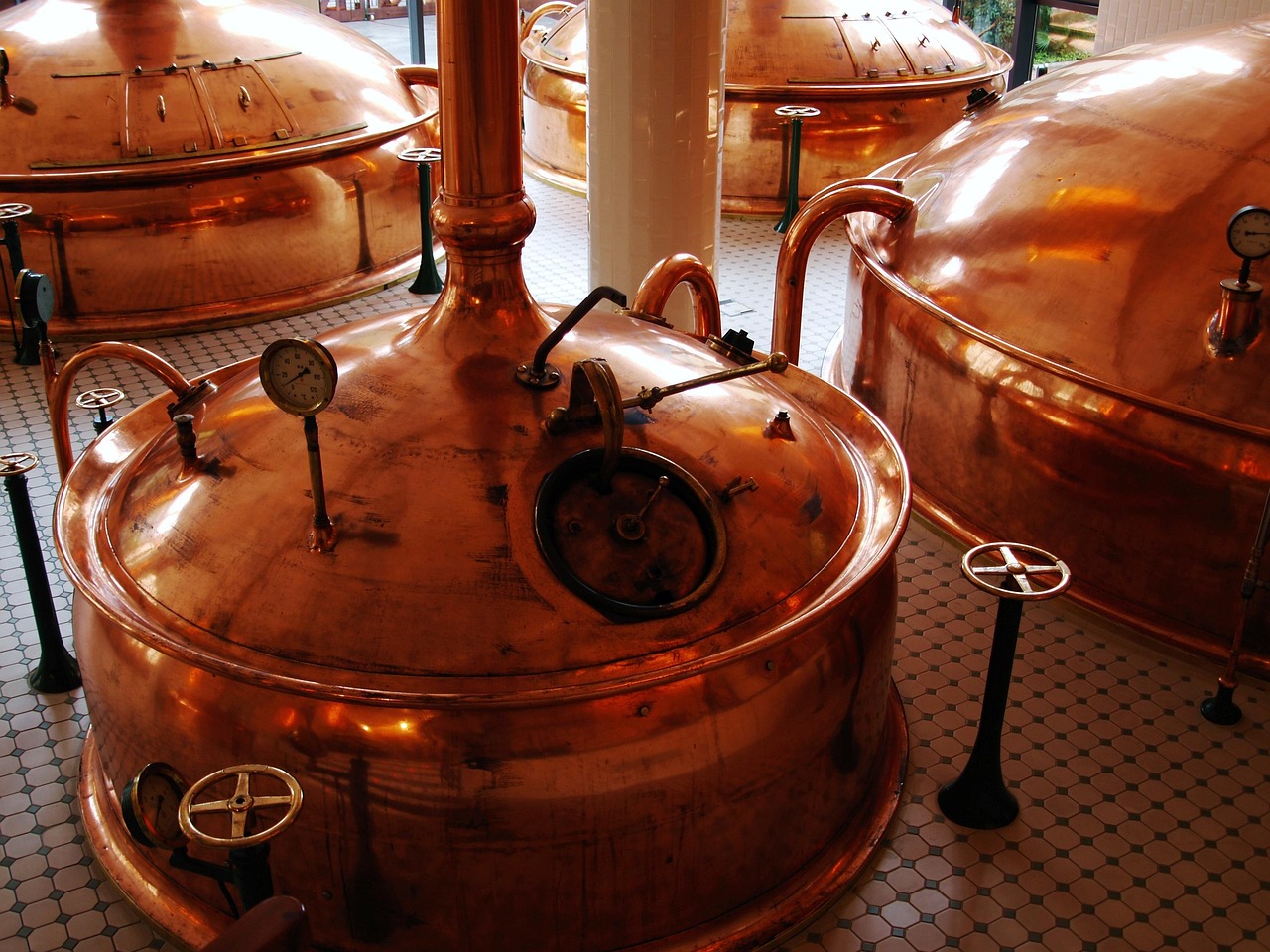
The term is broad, but in chemical plants it usually covers fixed equipment such as pressure vessels and tanks, rotating equipment such as pumps and compressors, heat transfer equipment, separation units, piping, valves, instrumentation, and protective systems. A sound selection process connects all of these items to the same operating envelope.
Core categories of process equipment
Most chemical plants use several equipment families as connected systems, not as isolated assets. A reactor may depend on a jacket or external heat exchanger, a pump, a control valve, a relief device, and a scrubber or vent system. Selection errors often occur when one item is optimized on its own while the connected process is ignored.
| Equipment category | Typical role | Key specification questions |
|---|---|---|
| Reactors and mixing vessels | Provide controlled reaction, blending, residence time, and heat removal or addition | What are the reaction kinetics, heat load, agitation duty, pressure, corrosion behavior, and cleaning method? |
| Storage tanks and pressure vessels | Hold raw materials, intermediates, finished products, or pressurized fluids | What are the design pressure, temperature, material compatibility, venting, secondary containment, and inspection requirements? |
| Heat exchangers | Transfer heat for cooling, heating, condensation, evaporation, or heat recovery | What fouling margin, approach temperature, pressure drop, metallurgy, and maintenance access are acceptable? |
| Pumps and compressors | Move liquids, gases, vapors, and slurries through the process | What are the flow range, suction conditions, viscosity, solids content, seal requirements, and turndown needs? |
| Separators and filtration equipment | Separate phases, remove solids, recover products, or improve purity | What particle size, phase behavior, residence time, cleaning frequency, and disposal route must be considered? |
| Piping, valves, and fittings | Connect equipment and control flow paths | What piping class, line sizing, valve type, pressure rating, corrosion allowance, and isolation philosophy are required? |
| Instrumentation and safety systems | Measure, control, alarm, interlock, and protect the process | What measurements are critical, what failure modes matter, and what independent protection is required? |
This systems view matters because a compliant vessel can still create operating risk if the connected piping, controls, drainage, or relief paths are undersized, poorly located, or difficult to maintain.
Selection starts with the process duty
The first selection question is simple: what must the equipment do during normal operation, upset conditions, startup, shutdown, cleaning, and maintenance? A pump selected only for normal flow may struggle when viscosity rises during startup. A heat exchanger sized only for clean service may lose performance as fouling builds. A tank designed for basic storage may need different venting if nitrogen blanketing, vacuum transfer, or hot filling is introduced later.
A useful duty definition should include:
- Operating range: minimum, normal, and maximum temperature, pressure, flow, level, and composition.
- Upset cases: blocked outlet, loss of cooling, reverse flow, vacuum, overfill, vapor generation, and contamination scenarios.
- Material behavior: corrosion, erosion, polymerization, crystallization, fouling, toxicity, flammability, and thermal stability.
- Batch or continuous operation: campaign length, changeover frequency, hold time, cleaning sequence, and batch traceability.
- Site constraints: utilities, foundation loads, hazardous area classification, lifting access, climate, and available plot space.
In many projects, this information is spread across process flow diagrams, piping and instrumentation diagrams, equipment datasheets, safety data sheets, and operating procedures. Bringing it into one specification package reduces the chance that procurement decisions will be based mainly on price and delivery.
Materials, codes, and documentation are part of the equipment
For chemical process equipment, the physical asset and its documentation should be treated as one package. Materials of construction, design basis, pressure rating, weld records, inspection plans, instrument settings, relief calculations, and operating limits are not afterthoughts. They define how the equipment can be used safely and where its limits are.
In the United States, OSHA’s Process Safety Management standard requires covered employers to compile process safety information that includes equipment-related details such as materials of construction, piping and instrument diagrams, electrical classification, relief system design basis, ventilation system design, design codes and standards, material and energy balances for newer processes, and safety systems. The same OSHA rule also requires inspection and testing of process equipment under recognized and generally accepted good engineering practices for covered processes.
EPA Risk Management Program guidance uses mechanical integrity language focused on making sure process equipment is fabricated from proper materials, installed correctly, maintained, and replaced to help prevent failures and accidental releases. ASME Boiler and Pressure Vessel Code requirements are commonly used for boilers and pressure vessels, while API inspection codes such as API 510 are widely associated with in-service inspection, repair, alteration, and rerating of pressure vessels. In the European market, pressure equipment may also fall under the Pressure Equipment Directive 2014/68/EU depending on scope and application.
These references do not replace project-specific engineering judgment. They show why equipment selection should identify the governing jurisdiction, owner standards, insurance requirements, and recognized engineering practices before purchase orders are placed.
Mechanical integrity should shape the buying decision
Mechanical integrity is often discussed after equipment is installed, but it should influence selection from the beginning. A lower-cost item may become expensive if it requires frequent shutdowns, special spare parts, difficult confined-space entry, or inspection methods the site cannot perform safely.
When comparing equipment options, maintenance and reliability teams should review at least five practical questions:
- Can the equipment be inspected? Access ports, removable bundles, lifting points, isolation valves, and safe platforms can determine whether inspection is realistic.
- Can predictable failure modes be monitored? Vibration, temperature, corrosion coupons, thickness readings, seal leakage, differential pressure, and motor load trends may be useful depending on the asset.
- Are spare parts and wear parts standardized? Common seals, bearings, gaskets, instruments, and valve trims can reduce downtime and inventory complexity.
- Can the equipment be cleaned without creating new hazards? Drains, vents, clean-in-place connections, purge points, and sampling points should match the chemistry and exposure risk.
- Will future changes be manageable? Extra nozzles, reasonable turndown, modular skid space, and documented design margins can make later modifications safer, but unused flexibility should not hide unclear design assumptions.
The most reliable selection is not always the most robust-looking item. It is the option whose design envelope, failure modes, inspection method, and operating procedures are best understood by the people who will own and maintain the equipment for years.
A lifecycle checklist from specification to operation
Process equipment selection is stronger when each stage has a clear output. The following lifecycle checklist can help engineering, procurement, operations, and maintenance teams avoid common gaps.
1. Concept and process definition
Define the process objective, mass balance, energy balance, expected composition range, batch or continuous mode, and key hazards. At this stage, teams should decide whether the equipment is safety-critical, quality-critical, capacity-critical, or mainly a utility asset. See also: Storage Systems.
2. Datasheet and design basis
Prepare datasheets that include normal and design conditions, materials, corrosion allowance, nozzle loads, utility conditions, control philosophy, cleaning requirements, and applicable codes. For custom equipment, the datasheet should be reviewed by process, mechanical, electrical, instrumentation, safety, and maintenance specialists.
3. Supplier technical review
Supplier proposals should be checked for exceptions, not only for price. Important differences may appear in metallurgy, motor sizing, pressure rating, gasket selection, relief assumptions, instrumentation scope, documentation, testing, or delivery of certified drawings.
4. Fabrication, inspection, and testing
Quality checks should confirm that the equipment is fabricated and tested according to the agreed specification. Depending on equipment type, this may include material traceability, welding procedures, nondestructive examination, hydrostatic or pneumatic testing, performance testing, calibration records, and factory acceptance testing.
5. Installation and commissioning
Installation checks should verify orientation, supports, alignment, grounding, instrument range, valve position, access, insulation, labeling, and connection to relief or vent systems. Pre-startup reviews are especially important when new or modified equipment changes process safety information or operating procedures.
6. Operation, inspection, and management of change
Once equipment is in service, records should be updated when operating limits, chemistry, throughput, control logic, inspection intervals, or replacement parts change. A seemingly small change, such as a new solvent, higher fill level, different gasket material, or revised cleaning temperature, can affect compatibility and safe limits.
Common selection mistakes to avoid
The same problems appear repeatedly in process equipment projects. Some are technical, but many are coordination failures between process design, procurement, operations, and maintenance.
- Buying before the duty is stable: Early purchase can save schedule time, but it increases risk if chemistry, capacity, or utility conditions are still changing.
- Using normal conditions as design conditions: Equipment must be checked against credible maximum and minimum cases, not only the expected steady state.
- Ignoring cleanability and access: A unit that performs well on day one can become a bottleneck if fouling, plugging, or cleaning time is underestimated.
- Treating instruments as accessories: Level, pressure, temperature, flow, alarms, and interlocks often determine whether equipment can be operated safely across its range.
- Accepting undocumented substitutions: Changes in alloys, seals, coatings, motors, valves, or controls should be technically reviewed before acceptance.
- Separating equipment from procedures: Operating limits, maintenance steps, lockout, line breaking, confined-space entry, and emergency response should match the installed configuration.
A disciplined review does not eliminate every risk, but it makes assumptions visible. That visibility is important because many failures begin with information that was known somewhere in the organization but never reached the final specification.
Frequently asked questions
What is included in process equipment?
Process equipment can include reactors, tanks, pressure vessels, heat exchangers, pumps, compressors, filters, separators, piping, valves, instrumentation, control systems, relief devices, and related safety systems. The exact boundary depends on the plant, process, and regulatory context.
How is process equipment different from utility equipment?
Process equipment directly contacts, transforms, stores, or controls the process material. Utility equipment supports the process by supplying steam, cooling water, compressed air, nitrogen, power, or other services. The boundary can overlap when a utility system creates a direct process safety impact.
What information is needed before selecting process equipment?
At minimum, teams need process conditions, material properties, corrosion and fouling risks, flow range, pressure and temperature limits, cleaning needs, inspection access, control requirements, safety functions, and applicable codes or standards. More hazardous or highly regulated services require more detailed documentation.
Why is mechanical integrity important for equipment selection?
Mechanical integrity links design, installation, inspection, maintenance, and replacement. Considering it during selection helps avoid equipment that is difficult to inspect, hard to maintain, incompatible with the process fluid, or poorly documented for long-term operation.
Which standards apply to process equipment?
Applicable standards depend on equipment type, location, pressure, temperature, chemical hazards, and owner requirements. Common references may include OSHA PSM requirements for covered U.S. processes, EPA RMP rules for covered facilities, ASME pressure equipment codes, API inspection codes, IEC functional safety standards, NFPA fire protection standards, and regional rules such as the European Pressure Equipment Directive. Project teams should verify the exact legal and contractual requirements for each installation.
Conclusion
Process equipment selection is strongest when it connects process duty, materials, codes, documentation, controls, maintenance, and future change management. The goal is not simply to buy a vessel, pump, exchanger, or skid that meets a capacity number. The goal is to install equipment that can be operated, inspected, cleaned, repaired, and modified within known limits. For chemical plants, that lifecycle view is often the difference between an asset that supports stable production and one that creates recurring safety, quality, and maintenance problems.