How Do Precision Pumps and Valves Improve Chemical Process Control?
Why Do Precision Pumps and Valves Matter in Chemical Equipment?
When you source precision pumps and valves for a chemical line, you are not just buying metal parts. These items set how the plant handles dosing, transfer, pressure control, sampling, cleaning, and emergency isolation. If you are checking equipment for a new skid or a plant upgrade, the pumps and valves category is a useful place to start because these two product groups normally work in one system, not as separate items.
Stable Flow in a Real Plant
A chemical process may look quiet from the control room, but the line itself can be hard on equipment. Viscosity changes after heating, the storage tank level drops, and a filter may start to foul during the same shift. A pump with weak repeatability can send too much caustic one minute and too little the next. A valve with poor positioning can keep moving around the set point. Good precision equipment holds flow closer to the target, so product quality and batch records are easier to keep under control.
Cleaner Control for Difficult Fluids
Chemical fluids are rarely friendly to standard parts. Some crystallize near room temperature, some attack common elastomers, and some carry fine solids through the line. For these services, material choice and sealing design matter as much as rated flow. A PTFE lined valve, a 316L stainless wetted path, a Hastelloy trim, or a diaphragm metering pump may look like a small detail on a datasheet. In daily operation, that detail can decide whether the line runs for months or stops after a week.
Lower Risk during Daily Operation
Small faults can turn into large bills. A leaking dosing pump wastes reagent and may expose operators to the chemical. A control valve that sticks near closed can starve a reactor jacket, and a check valve that chatters can damage seats and pipe supports. Precision does not mean delicate. In chemical equipment, it means the pump or valve can repeat the same action while pressure, temperature, and fluid stress keep changing.
How Should You Match Pump Type to Process Duty?
The right pump is the one that fits the duty point, fluid behavior, and running pattern. A low price can look good on a quotation sheet, but the wrong hydraulic match will use more power and wear seals and bearings faster. Start with flow rate, differential pressure, temperature, viscosity, solids content, vapor pressure, and whether the process runs continuous or batch. That basic data saves a lot of back and forth with the supplier.
Centrifugal Pumps for Steady Transfer
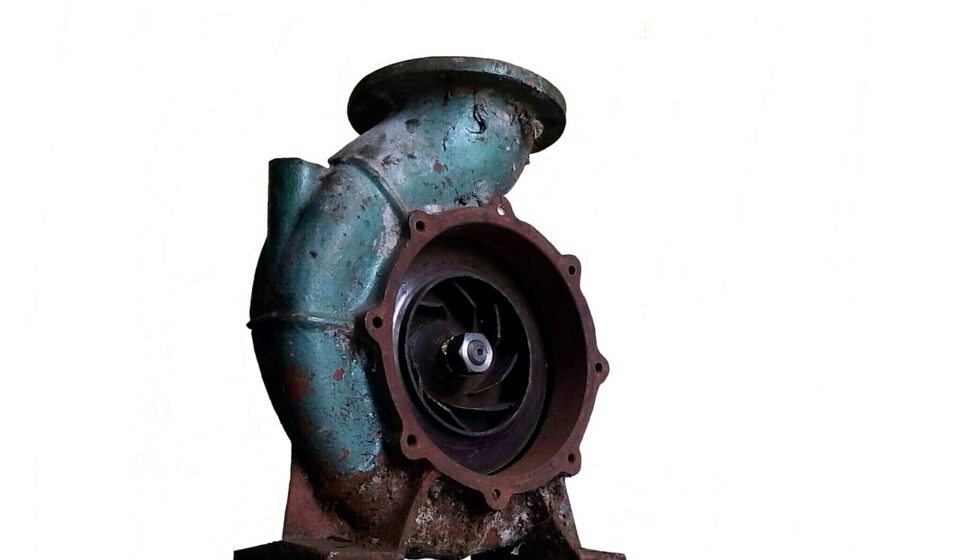
Centrifugal pumps suit many transfer jobs, especially low to medium viscosity liquids at steady flow. They are often used for cooling water, solvents, light chemicals, and circulation loops. For chemical service, check the pump curve, best efficiency point, NPSH margin, impeller trim, and mechanical seal plan. If the pump runs far left or far right of the best efficiency zone, vibration usually goes up and bearing life usually goes down.
Positive Displacement Pumps for Dosing
Positive displacement pumps are a better fit when you need a measured volume against higher pressure. Metering pumps, gear pumps, screw pumps, and diaphragm pumps are used for acid dosing, polymer injection, additive feed, and viscous liquid transfer. For dosing work, repeatability matters more than the largest flow number in the catalog. Ask for turndown ratio, accuracy conditions, minimum stroke setting, and calibration method, because these details affect the real plant result.
Seals and Materials That Fit the Chemical
Material choice is not something to guess. Send the supplier the chemical name, concentration, temperature, density, viscosity, solids, and cleaning fluid. A seal that runs well in water can fail fast in solvent vapor. EPDM, FKM, PTFE, ceramic, silicon carbide, and alloy parts all have working limits. If a fluid is toxic or flammable, a magnetic drive pump or double mechanical seal may justify the higher first cost.
Which Valve Features Decide Control Quality?
Valves can look simple from the outside, but the inside shape decides how the process responds. A valve may isolate, throttle, relieve, sample, mix, or stop reverse flow. Precision valve selection should start with the job in the line. A storage tank shutoff valve does not need the same design as a valve used for fine pH correction in a neutralization line.
Flow Characteristics That Match the Line
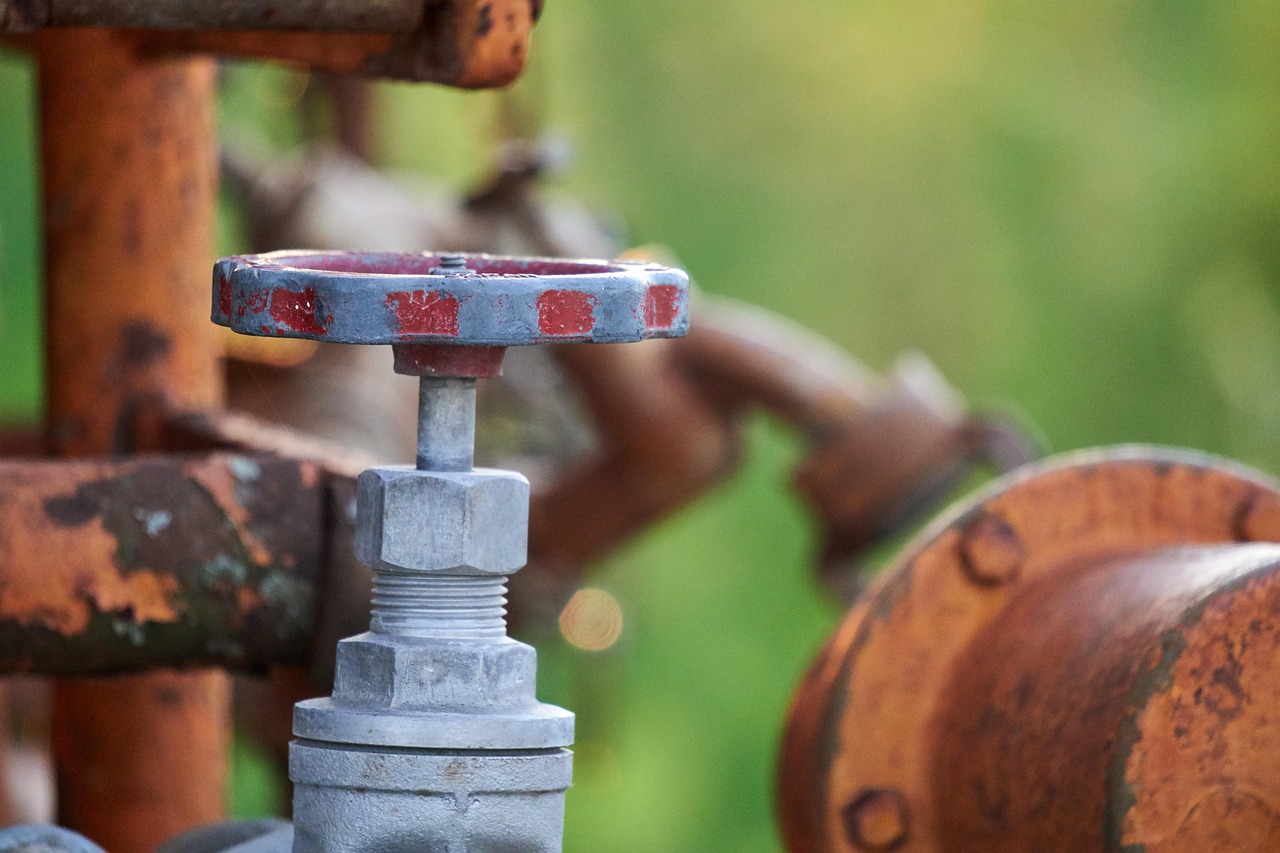
Control valves need a flow characteristic that fits the process. Linear trim gives a more direct relation between travel and flow. Equal percentage trim often works better where pressure drop changes as flow changes. For a simple open and closed line, a ball valve may be enough. For fine control, a globe valve, diaphragm valve, or characterized ball valve often gives steadier behavior.
Seat Leakage and Shutoff Class
Shutoff is not only a matter of closed or open. Seat leakage class, test pressure, and test medium tell you what closed really means. In a chemical plant, a small leak can contaminate the next batch or let a dangerous fluid pass into a drain header. Ask for the valve test standard, pressure test record, and allowable leakage rate. It may look like dull paperwork, but it matters when the night shift has a problem.
Actuation and Position Feedback
Manual valves are fine for simple isolation, but automated valves need more checking. Pneumatic actuators need clean air and enough torque. Electric actuators need the right enclosure ratings and suitable travel time. Positioners, limit switches, and feedback signals help operators see whether the valve reached the command. For a remote acid tank, that small signal can prevent a dirty walk outside.
What Public Data Shows the Cost of Better Selection?
Public data does not usually place precision pumps and valves in one narrow market box. For buying work, it is better to look at pump energy data, leakage examples, and life cycle cost guidance instead of using a clean but unsupported market number. The buying lesson is still plain: better selection can cut power use, maintenance work, water or chemical loss, and downtime risk.
Pumping Energy as a Plant Cost
The U.S. Department of Energy report Energy Use, Loss and Opportunities Analysis, published in November 2004, placed pumping systems at about 25 percent of motor drive energy use in U.S. manufacturing. That was about 600 TBtu before offsite generation losses. The same report listed mid range energy savings of 28.7 billion kWh from pump system improvement work. The data is old, but the physics is the same. Oversized pumps, throttled discharge valves, worn impellers, and wrong duty points still waste power today.
Leakage as a Resource and Safety Signal
The U.S. Department of Energy Federal Energy Management Program, citing the American Society of Civil Engineers 2017 Infrastructure Report Card, noted that the United States loses about 2 trillion gallons of treated drinking water each year from water main breaks often linked to undetected leaks. This example comes from water infrastructure, not chemical production. Even so, the lesson carries over well. Leakage hides cost, and in chemical service it can also point to corrosion, seal wear, wrong packing load, or poor valve seating.
Purchase Price vs Ownership Cost
Hydraulic Institute life cycle cost guidance gives buyers a useful warning. In a typical medium size industrial pumping system with a 15 to 20 year life, the initial price may be about 10 percent of total cost, while energy can be about 40 percent and maintenance about 25 percent. The exact split changes from plant to plant. The buying logic does not change much. A lower invoice price can become costly if the pump runs every day and needs constant seal work. See also: Process Equipment.
What Standards Help You Compare Suppliers?
Standards do not replace engineering judgment, but they help buyers ask clearer questions. They also reduce confusion in international purchasing because the buyer, EPC contractor, and manufacturer can use the same test language. Always confirm the current edition during procurement, since standards are updated from time to time.
API 610 and ISO 5199 for Centrifugal Pumps
For refinery, petrochemical, and heavy chemical projects, API 610 is a common reference for centrifugal pumps. The American Petroleum Institute standards plan listed API Standard 610, 13th edition, dated June 29, 2026. ISO 5199:2002 covers technical specifications for Class II centrifugal pumps, and the ISO page states that it was reviewed and confirmed in 2018, so that version remains current as of the checked public listing. These references help buyers compare casing design, performance testing, vibration, and documentation expectations.
API 675 for Metering and Controlled Volume Pumps
API 675 is often used for controlled volume positive displacement pumps in petroleum, chemical, and gas industry services. For daily purchasing work, the point is simple: check whether the metering pump can meet the required flow repeatability at your real pressure and stroke range. Do not rely only on the test bench sweet spot. A capable supplier should provide capacity tables, test method, wetted material list, and relief valve advice.
API 598 for Valve Inspection and Test Records
API 598 is widely used for valve inspection and testing. The American Petroleum Institute standards plan listed API Standard 598, 11th edition, dated February 8, 2023. For procurement, ask for shell test, seat test, backseat test when applicable, and marking details. For critical valves, also request material traceability and heat numbers. Paperwork cannot make a bad valve good, but missing paperwork is often a warning sign.
What Should You Ask before You Place an Order?
A clear inquiry saves time. Many pump and valve problems start because the request only says acid pump or stainless steel valve. That wording is not enough for a reliable selection. Send the process data, installation details, and commercial needs in one package, so the supplier can quote the right model and explain any tradeoffs.
Fluid Data and the Operating Window
List normal, minimum, and maximum flow. Add suction pressure, discharge pressure, temperature, vapor pressure, viscosity, specific gravity, solids, particle size, and corrosion data. For valves, include line size, pressure class, end connection, flow direction, shutoff need, and whether the valve throttles or only isolates. If the fluid is hazardous, say it directly. Do not leave out the difficult parts of the service.
Drawings, Curves, and Certificates
Ask for pump curves, dimensional drawings, sectional drawings, motor data, valve torque data, actuator wiring, and material certificates. If your plant needs CE, ATEX, FDA contact materials, NACE, or other documents, state that early. A supplier can usually help, but last minute certificate requests can delay shipment. For export projects, packaging and spare parts should also be listed before production starts.
Spares, Packing, and Start Up Support
Precision equipment still needs normal care. For pumps, ask for mechanical seals, diaphragms, bearings, O rings, and coupling parts. For valves, ask for seats, packing, gaskets, actuator repair kits, and positioner parts. A sensible two year spare list is often more useful than a polished brochure. For a remote site, one small gasket can stop a startup if nobody planned for it.
FAQ
Q1: What Are Precision Pumps and Valves? A: They are pumps and valves built or selected for accurate flow, dosing, pressure, shutoff, or positioning in demanding service. In chemical plants, precision usually means repeatable performance, compatible materials, steady control, and tested sealing.
Q2: Are Precision Pumps Always More Expensive? A: The first price is often higher, but total cost may be lower after energy, maintenance, leakage, and downtime are counted. For continuous duty, life cycle cost matters more than the purchase price alone.
Q3: Which Pump Is Best for Chemical Dosing? A: A diaphragm metering pump is common for chemical dosing because it can deliver controlled volume and keep the drive side away from the chemical. The final choice depends on flow, pressure, viscosity, temperature, and chemical compatibility.
Q4: Which Valve Type Gives the Best Control? A: Globe valves, diaphragm valves, and characterized ball valves are common control choices. The best type depends on required flow range, pressure drop, leakage class, fluid cleanliness, and actuator response.
Q5: What Documents Should You Request from a Supplier? A: Ask for datasheets, pump curves, test reports, material certificates, drawings, installation manuals, spare parts lists, and applicable standard references such as API, ISO, or project specifications.