Nicro Pump and Valve profile for chemical process pumps and valves
What Nicro Pump and Valve is known for
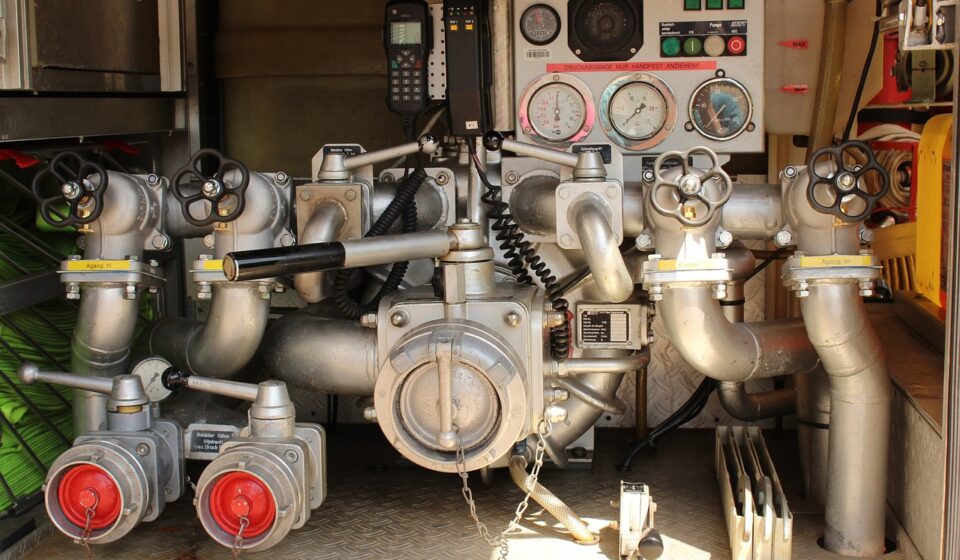
Nicro Pump and Valve is a South African engineering manufacturer associated with pumps, valves, machining, refurbishment and demanding industrial flow-control service. For readers searching the term nicro pump and valve, the practical question is not just who the company is, but what its public product information indicates for chemical, petrochemical, mining, water and wider process-industry applications.
Public information from the Aerospace Industry Support Initiative describes Nicro Pump & Valve Pty Ltd as established in March 2008, based in Germiston, Gauteng, and operating as a key division of the Nicro Industrial Group. The same 2024/25 case study says the company works with centrifugal and peristaltic pumps, valves, furnace components and refurbishment work. For engineers and buyers, Nicro is therefore best reviewed as a specialized industrial pump and valve source, while each project still needs its own checks on materials, standards, test certificates and current quality certification before purchase.
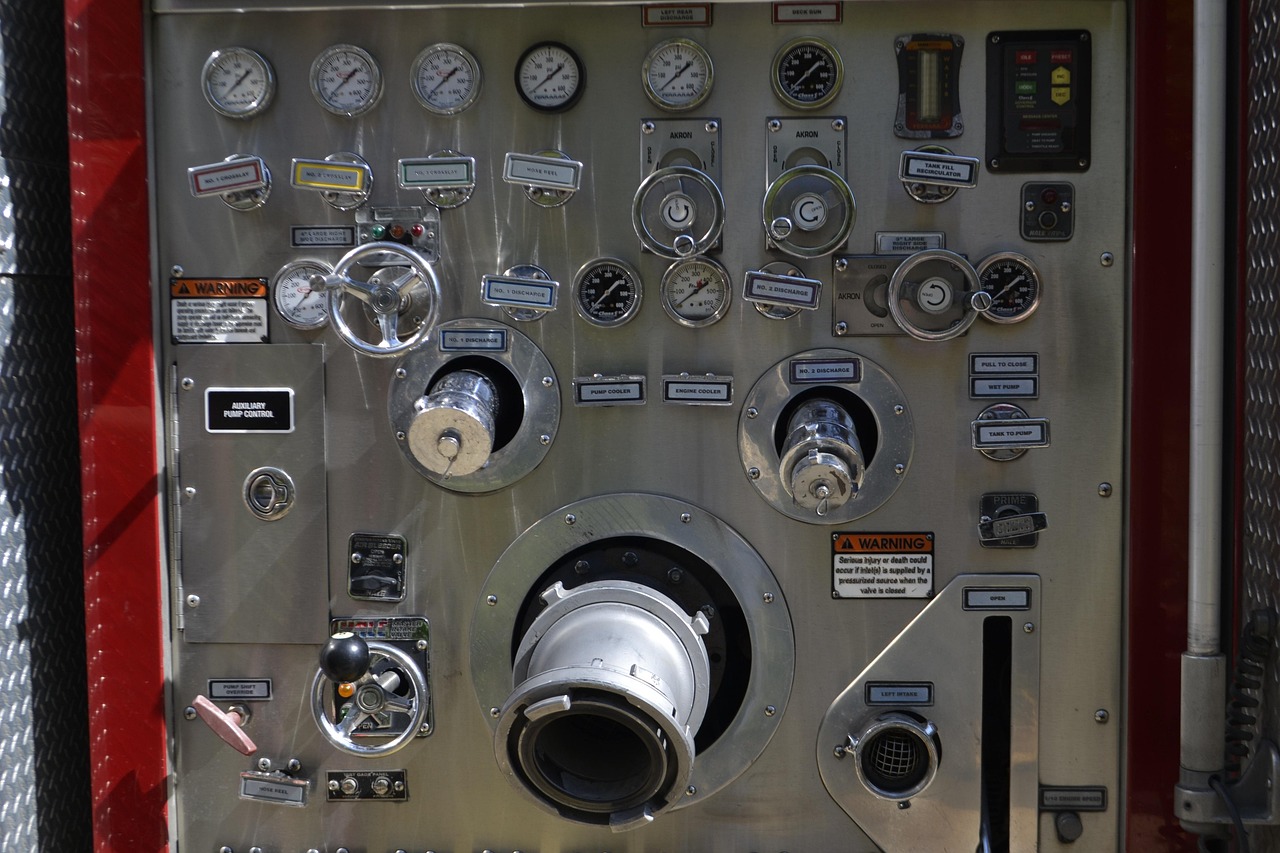
This profile is written for chemical equipment readers who need a grounded overview rather than a sales claim. It summarizes publicly available product and certification signals, then translates them into specification questions that a plant engineer, EPC buyer or maintenance team can use during supplier screening. For broader background on flow-control equipment, see the pumps and valves category on Aizhika.
The public record in brief
The most useful public references describe Nicro from three angles: company scope, product scope and quality-system activity. The AISI 2024/25 case study states that Nicro Pump & Valve specializes in the design, manufacture and refurbishment of pumps and valves for petrochemical, mining, chemical processing, paper, fertiliser, power, marine, cement and wastewater treatment sectors. It also notes in-house foundry and machining capabilities within the wider Nicro group.
A CSIR request for quotation dated 7 March 2025 adds a more specific quality-system signal. The RFQ requested services for the certification audit process and certificate issuance for ISO 9001:2015 at Nicro Pump and Valve Pty Ltd. It described the supported company as an SMME in Germiston and listed operations including valve manufacturing, general machining and valve assembly. The closing date shown in the document was 24 March 2025. That document shows that a certification process was being sought; it should not be read as proof that certification was issued unless the company or its certification body provides a current certificate.
Product pages associated with Nicro Industrial describe centrifugal chemical process pumps in ND and NG series, as well as peristaltic pumps, vertical spindle pumps, axial flow pumps and pump spares. Public valve pages list hot feed gate valves, slurry control valves, gate valves, ball valves, plug valves, air release valves, butterfly valves, three-way ball valves, gas offtake dampers and specialized valves. Taken together, these sources position Nicro around engineered flow-control products, not commodity hardware alone.
Pump capabilities that matter in chemical service
Chemical process pumps are specified around duty point, fluid chemistry, temperature, solids content, viscosity, allowable leakage, maintainability and lifecycle cost. Nicro’s public centrifugal process pump page highlights two centrifugal chemical process pump families: ND and NG. It states that the ND series uses two sizes of power ends across the range, while the NG series uses three. From a maintenance perspective, this type of power-end rationalization can reduce spare-parts variety, although buyers still need to confirm interchangeability by model, shaft size, bearing set and seal arrangement.
The same public pump description mentions double-row outboard bearings, single-row inboard bearings, a constant-level oiler, vented drain plug, oil seals and a deflector intended to protect bearings from contamination and condensation. These details matter because bearing housing contamination, misalignment, poor lubrication and off-design operation are common contributors to centrifugal pump reliability problems. The page also notes that the rotating assembly can be pulled out of the casing without disturbing suction or discharge piping. In a process plant, a back pull-out or similar maintainable arrangement can shorten overhaul time, provided the installation leaves enough access space for removal.
For chemical plants, however, a pump family name is only the starting point. A serious inquiry should define the pumped liquid, concentration, density, viscosity, temperature, vapor pressure, normal and rated flow, total dynamic head, net positive suction head available, suction conditions, seal flush plan, corrosion allowance and required material standard. If the application involves hydrocarbon, petrochemical or natural-gas service, buyers may also compare the required design basis with API 610. Standards catalogues list API Std 610:2026 as the current edition for centrifugal pumps in petroleum, petrochemical and natural gas industries, published on 29 June 2026. For non-API chemical duties, ISO and ANSI/HI references may be more appropriate, depending on the project specification.
Valve capabilities and fire-safe claims
Nicro’s valve-related public information points to both standard industrial valves and special-service valves. Nicro Industrial lists valves for petrochemical, mining, chemical, paper, fertilizer and furnace-related applications, including slurry control valves and hot feed gate valves. Those categories indicate interest in abrasive, high-temperature or severe-service environments, but a buyer should still ask for drawings, pressure-temperature ratings, metallurgy, trim details, test procedures and reference installations for the exact service.
The Nicro Pump & Valve public ball-valve page is more specific. It states that its ball valves are manufactured and tested in accordance with BS 6755 Part 2 fire-safe testing and that the technical content incorporates API Standard 607 and API Specification 6FA. It also describes design features such as an anti-static device, blow-out proof stem, dual sealing at the body-adaptor connection, flange conformity to BS, ANSI and SABS standards, seat options including PTFE-filled variants and metal-to-metal seats for specialized applications. The same page lists reduced-port valves in class 150 and class 300, and full-port and wafer valves from class 150 to class 1500.
These are important specification signals, but they are not substitutes for project-specific documentation. Fire-safe valve requirements vary by industry, owner standard, edition of the referenced standard and certification expectations. In procurement, the question is not simply whether a valve is described as fire-safe. The buyer should request the applicable fire-test certificate, tested size and pressure range, body and seat materials, test standard and edition, traceability to the offered model, and confirmation that the valve configuration being supplied is covered by that evidence.
Quality system signals and what changed after 2026
ISO 9001 is a quality management system standard, not a product approval and not a guarantee that a pump or valve is suitable for a specific chemical duty. Its value in supplier evaluation is that it can show whether a manufacturer has documented controls for processes such as purchasing, production, inspection, corrective action and customer requirements. ISO also explains that it does not certify companies itself; certification is performed by independent certification bodies. See also: Storage Systems.
The timing around Nicro’s ISO information needs careful wording. AISI’s 2024/25 case study said Nicro was pursuing ISO 9001 certification with AISI support. The CSIR RFQ issued on 7 March 2025 stated that ISO 9001:2015 had been implemented through a consultant and was ready for certification, and that quotation services would include audits prior to issuance and issuance of certificates. Those documents are useful evidence of a quality-system pathway, but they do not by themselves confirm that a certificate is currently valid.
There is also a standards timing issue. ISO published ISO 9001:2026 on 16 September 2026, replacing ISO 9001:2015 with a transition period for already certified organizations. ISO transition guidance indicates that organizations certified to ISO 9001:2015 have time to move to ISO 9001:2026 rather than needing to restart certification immediately. As of late 2026, buyers reviewing any supplier that references ISO 9001:2015 should ask for the certificate number, issuing certification body, accreditation mark, scope, site address, expiry date and transition plan to ISO 9001:2026.
How to evaluate Nicro for a chemical project
The safest way to use public information is to convert it into a structured vendor clarification list. Nicro’s stated strengths are relevant to chemical equipment applications, especially where local manufacturing, machining, refurbishment and special materials are important. Even so, a pump or valve should be accepted only against the actual service conditions and contract specification.
| Area to check | Why it matters | Practical question to ask |
|---|---|---|
| Pump duty point | Off-design operation can reduce efficiency and reliability. | Can the supplier provide the curve, efficiency, NPSH requirement and allowable operating range for the selected model? |
| Materials of construction | Chemical corrosion, erosion and temperature can quickly damage unsuitable alloys or elastomers. | Which wetted materials, gaskets, seats and seal faces are proposed for the exact fluid and temperature? |
| Standards basis | API, ISO, ANSI, BS and SABS references have different scopes and editions. | Which standard and edition governs design, testing, flange drilling and documentation? |
| Fire-safe evidence | Fire-safe wording must be traceable to a tested design. | Does the certificate cover the valve size, pressure class, seat material and construction being quoted? |
| Quality certification | ISO 9001 supports process control but must be current and scoped correctly. | Can the supplier provide the current certificate and scope for the manufacturing site? |
| Aftermarket support | Downtime often depends on spares availability and repair turnaround. | Which wear parts, seals, bearings, trim kits and drawings are available after delivery? |
For centrifugal pumps, also ask about baseplate design, coupling guard, driver sizing margin, shaft sealing, flushing, bearing lubrication, hydrostatic testing, performance testing and documentation packs. For valves, ask about shell test, seat test, fugitive-emission expectations if applicable, end connections, actuation interfaces, locking devices, torque values and material certificates. If the project is safety-critical or regulated, the purchase specification should state hold points, witness testing, inspection documents and non-conformance handling before the order is placed.
What the profile suggests for the market
Nicro’s public positioning reflects a broader industrial pattern: many process plants need suppliers that can combine manufacturing, refurbishment and adaptation for local operating conditions. In mining, chemicals, wastewater, furnaces and petrochemical service, the replacement item is not always a catalogue part. It may require reverse engineering, alloy selection, machining, repair, testing and compatibility with legacy pipework. A supplier with foundry and machining access can be valuable in that environment, especially when downtime and import lead times are a concern.
The limitation is that public web descriptions are not enough for engineering approval. Product pages often summarize capabilities; they rarely include full duty envelopes, certified drawings, inspection plans, material certificates or all exclusions. The balanced conclusion is that Nicro Pump and Valve appears to be a relevant name for industrial pumps, valves and refurbishment in South African process industries, but project use should depend on documented compliance with the buyer’s service conditions, standards and quality requirements.
Frequently asked questions
Is Nicro Pump and Valve the same as Nicro Industrial?
Public AISI information describes Nicro Pump and Valve Pty Ltd as a key division of the Nicro Industrial Group. Nicro Industrial pages also list pumps and valves as product areas. For contracts, buyers should confirm the exact legal entity, manufacturing site and quotation source.
Does Nicro make chemical process pumps?
Public Nicro Industrial information describes ND and NG centrifugal chemical process pump series and also lists peristaltic pumps, vertical spindle pumps, axial flow pumps and spares. Suitability for any chemical duty still depends on the fluid, materials, seal plan, operating point and applicable test requirements.
Are Nicro ball valves fire-safe?
Nicro’s public ball-valve information states that its ball valves are manufactured and tested to BS 6755 Part 2 fire-safe testing, incorporating API 607 and API 6FA technical content. A purchaser should request the actual certificate and confirm that it covers the supplied design, pressure class, size and materials.
Is Nicro ISO 9001 certified?
Public records show that Nicro was pursuing ISO 9001 certification in the 2024/25 AISI case study and that a CSIR RFQ dated 7 March 2025 sought certification audit services for ISO 9001:2015. This article does not independently confirm that a current certificate has been issued. Buyers should request the current certificate, scope, site and transition status to ISO 9001:2026.