Modular tool storage systems for chemical equipment maintenance

What modular tool storage systems do in industrial maintenance
Modular tool storage systems combine configurable drawer cabinets, mobile carts, peg panels, shelving, workbenches, bins, dividers and lockable compartments. These modules can be rearranged as equipment, maintenance routes and spare-part inventories change. In chemical equipment maintenance, their value goes beyond a tidier work area. A well-planned system can reduce tool search time, support changeover work, limit misplaced calibrated items and help separate clean, dirty, general-use and controlled tools.
The system should be specified around actual maintenance tasks, such as pump service, valve repair, gasket replacement, agitator maintenance, heat exchanger work, instrumentation checks and cleaning operations. It also needs to account for floor loading, aisle access, corrosion exposure, housekeeping rules and emergency response needs. The guidance below explains where modular storage works, where dedicated safety storage is still required, and how to build a practical selection checklist for chemical equipment maintenance spaces.
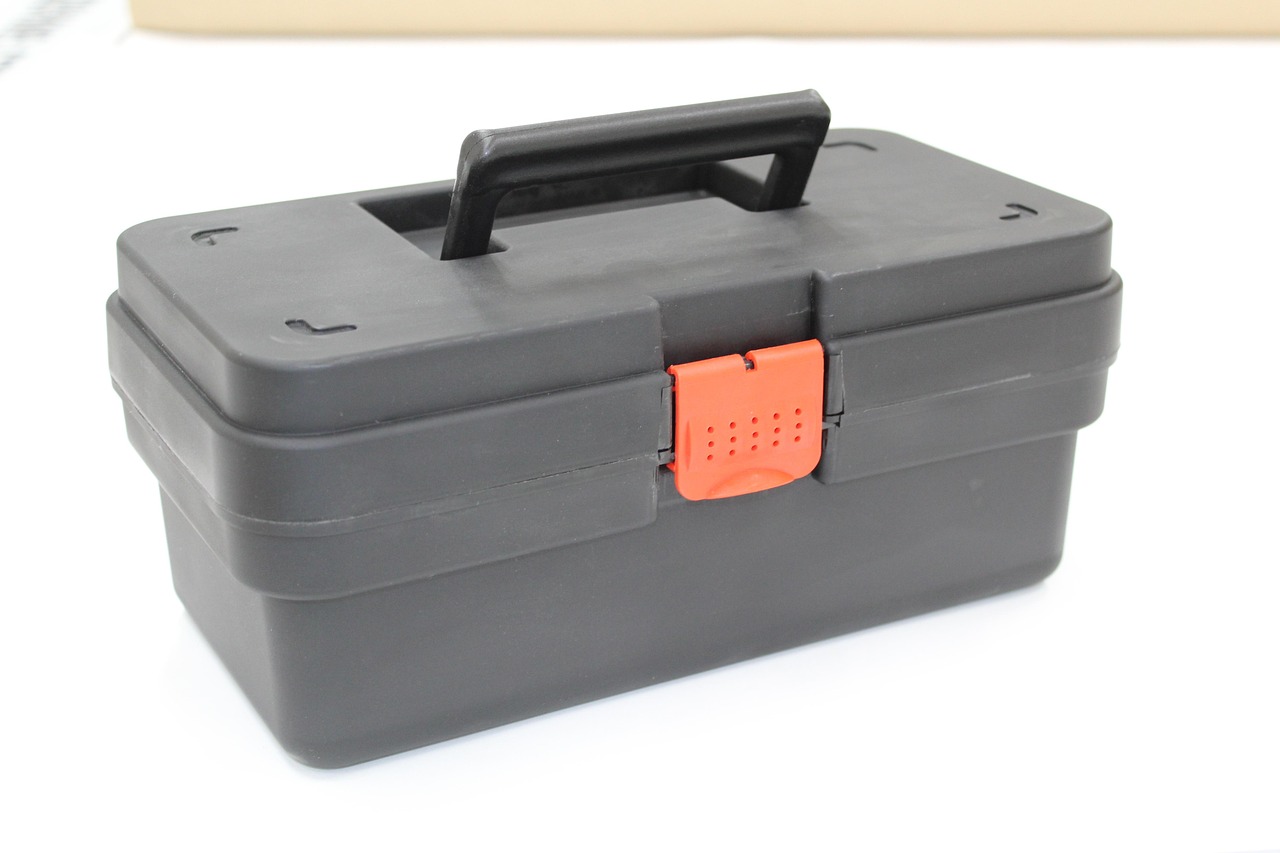
Unlike a single fixed cabinet, a modular system is planned as a set of repeatable building blocks. A plant may use deep drawers for pullers and torque tools, shallow drawers for precision measuring tools, mobile carts for planned work orders, vertical panels for frequently used hand tools, and labeled bins for gaskets, clamps or fittings. The aim is to make the normal workflow visible enough that missing tools, mixed components or overfilled drawers are noticed before they cause downtime or safety problems.
For more storage-related industrial topics, visit the Storage Systems section.
Why chemical equipment teams evaluate storage differently
Chemical plants, laboratories, pilot units and processing workshops often place tool storage in harsher conditions than ordinary maintenance rooms. Even when the tools themselves are not hazardous, the surrounding environment may include vapors, corrosive residues, washdown areas, combustible dust concerns, solvent cleaning, hot-work controls or strict contamination requirements. The storage decision is therefore about organization and risk control at the same time.
Several conditions deserve special attention:
- Corrosion exposure. Cabinets, drawer slides, casters and fasteners may need corrosion-resistant coatings, stainless components or sealed designs where acidic, alkaline or salt-containing residues are present.
- Clean and dirty separation. Tools used on product-contact surfaces, sampling assemblies or clean utilities should not be mixed casually with tools returned from outdoor, greasy or contaminated equipment areas.
- Heavy and irregular tools. Pump pullers, flange spreaders, chain wrenches, large sockets, lifting accessories and seal installation tools need drawers or racks rated for their weight and shape.
- Calibration control. Torque wrenches, pressure gauges, micrometers and test instruments need protection from impact and a clear method for identifying calibration status.
- Hazard segregation. Solvents, aerosols, adhesives, reactive chemicals and flammable liquids should not be treated as ordinary drawer contents. They may require purpose-built safety cabinets, SDS review and local fire-code evaluation.
This is why modular tool storage should be designed with input from maintenance, safety, production and stores personnel. A layout that looks efficient on paper can fail if mechanics must walk around process piping to reach the right cart, if returned tools are never cleaned, or if high-use items are locked behind a tool crib during night shift work.
Core modules and where they fit
Most modular storage plans combine stationary storage, mobile storage and visual storage. Each type solves a different problem, and no single module is suitable for every tool category.
| Module type | Typical use | Useful in chemical equipment work because |
|---|---|---|
| Drawer cabinets | Hand tools, sockets, measuring tools, specialty maintenance kits | They protect tools from dust and impact while allowing labeled foam, dividers or trays for quick checks. |
| Mobile tool carts | Planned jobs, shutdown work, pump or valve service routes | They move the kit to the work area and reduce repeated trips to the maintenance room. |
| Vertical peg panels or shadow boards | High-frequency hand tools and cleaning accessories | They make missing tools visible at shift handover or before equipment is closed. |
| Open shelving and bins | Bulky non-sensitive parts, consumables and kitted spares | They allow fast picking but should be protected from dust, splashes and mislabeling. |
| Workbench storage | Repair benches, inspection stations and small assembly work | It keeps tools close to the task and can separate clean assembly items from rough disassembly tools. |
| Lockable compartments | Calibrated tools, controlled keys, higher-value instruments | They support accountability without requiring every tool to be stored in a central crib. |
A useful rule is to store tools according to the next action, not merely by size. Tools needed together for a centrifugal pump seal change should be kitted together if the work is frequent. Tools used rarely for major turnaround work can be stored centrally, clearly labeled and inspected before shutdowns. Small consumables should be separated from precision tools so debris, thread sealant, gasket dust or metal chips do not migrate into measuring equipment.
Workflow planning before buying cabinets
The strongest modular tool storage systems usually start with a simple workflow map. The team lists the common maintenance tasks, the tools required, the work location, how often the task occurs, and how tools return after use. This prevents the common mistake of buying attractive cabinets first and trying to force the maintenance process into them later.
A practical planning sequence is:
- Identify the work families. Separate pump work, valve work, instrumentation, gasket work, hose and fitting work, cleaning, lubrication and electrical or control work.
- Classify each item. Record whether the item is high-frequency, heavy, delicate, calibrated, contaminated after use, shared between crews or needed only during shutdowns.
- Choose the storage mode. Decide whether each item belongs in a drawer, on a panel, in a mobile kit, in a locked location, in a tool crib or in a regulated safety cabinet.
- Plan return paths. Provide a clear place for used tools waiting for cleaning, inspection or calibration review. Without a return process, clean storage quickly becomes dirty storage.
- Test the layout. Use a temporary arrangement during a planned job or small outage before committing to a full installation.
For maintenance teams, the most valuable information often comes from comparing planned tool lists with what mechanics actually carry to the job. If workers routinely add extra wrenches, seals, scrapers or gauges, the kit may be incomplete. If many tools return unused, the kit may be too heavy or poorly defined. A modular system should be adjusted after these observations rather than treated as a one-time furniture purchase.
Safety and compliance checkpoints
Tool storage is not a substitute for a site safety assessment. In U.S. general industry settings, OSHA 29 CFR 1910.176 addresses material handling and storage, including the principle that stored material must not create a hazard. OSHA walking-working surface rules also reinforce the need for clean, orderly and sanitary work areas. For maintenance rooms, this means drawers should not be overloaded, loose tools should not project into aisles, carts should not block exits, and stored items should not compromise access to extinguishers, eyewash stations, electrical panels or emergency equipment.
Flammable and combustible liquids require a different level of control. OSHA 29 CFR 1910.106 includes requirements for flammable liquid storage cabinets, including limits of not more than 60 gallons of Category 1, 2 or 3 flammable liquids, or 120 gallons of Category 4 flammable liquids, in a storage cabinet. NFPA 30 is also widely used as a fire-code reference for flammable and combustible liquid storage. The practical takeaway is straightforward: ordinary modular tool drawers should not become unofficial solvent cabinets. Aerosols, adhesives, cleaners, fuels and similar materials should be reviewed against the SDS, site procedures and applicable fire-code requirements. See also: Pumps and Valves.
For steel racks and heavier industrial storage structures, ANSI MH16.1-2023 covers design, testing and utilization of industrial steel storage racks. Industrial steel work platforms may fall under ANSI MH28.3-2022. These standards are not the same as selecting a light-duty maintenance cabinet, but they become relevant when modular storage expands into rack-supported systems, mezzanine-style platforms or heavy shelving areas. Where powered charging drawers, lighting or electronic inventory controls are added, the site should also check electrical classification and hazardous-area rules before installation.
How to compare modular storage with fixed cabinets and tool cribs
Modular storage is useful because it sits between two extremes. A fully fixed cabinet layout is simple but can become rigid as equipment changes. A central tool crib improves control but may slow urgent work if access is limited. Modular storage lets the maintenance team distribute tools closer to work while keeping enough structure for accountability.
| Approach | Main advantage | Main limitation | Best fit |
|---|---|---|---|
| Fixed cabinets | Simple, durable and familiar | Difficult to reconfigure when work changes | Stable workshops with predictable tool sets |
| Central tool crib | Strong control over expensive or calibrated tools | Can add travel time and bottlenecks | High-value tools, turnaround tools and calibration-controlled items |
| Mobile modular carts | Bring task-specific tools to the job | Need parking, charging or return discipline | Routine maintenance routes and planned work orders |
| Hybrid modular system | Balances access, visibility and control | Requires labeling, ownership and periodic review | Chemical equipment maintenance with varied tasks and changing priorities |
In most chemical equipment environments, the hybrid model is the most realistic. Keep controlled, expensive or rarely used tools in a managed location. Place high-frequency general tools near the work area. Use mobile carts for planned maintenance and shutdown kits. Add visual boards where tool accountability is important before equipment is closed or restarted.
Common mistakes to avoid
Several storage failures repeat across maintenance areas, regardless of the cabinet brand or layout style. Avoiding them is often more important than adding more modules.
- Buying capacity without defining ownership. Every cabinet, cart and board should have an owner responsible for condition, labeling and periodic review.
- Ignoring dirty returns. If used tools go straight back into clean drawers, corrosion, residue and cross-contamination risks increase.
- Overfilling drawers. Overloaded drawers damage slides, hide missing items and make safe lifting harder.
- Mixing chemicals with tools. Chemical containers, aerosols and flammable liquids should be handled through the site’s chemical storage rules, not through ordinary tool organization.
- Forgetting future equipment changes. A modular plan should leave room for new pump sizes, valve types, sensors, spare kits or maintenance procedures.
- Using labels that only one shift understands. Labels should be clear, durable and consistent across shifts, contractors and maintenance disciplines.
- Skipping periodic audits. A layout that worked during commissioning may be wrong after a process change, expansion or turnaround.
A simple quarterly review can identify missing tools, damaged drawers, unreadable labels, obsolete kits and tools stored in the wrong risk category. Reviews should also follow incidents, near misses, equipment modifications and major shutdowns.
Frequently asked questions
What is the difference between modular tool storage systems and ordinary tool cabinets?
Ordinary cabinets provide enclosed storage. Modular tool storage systems combine multiple reconfigurable modules, such as drawers, carts, panels, bins and workbenches, into a layout that can change with workflow. The modular approach is more useful when maintenance tasks, spare parts and equipment access points change over time.
Are modular systems suitable for chemical plants?
Yes, but only when the design accounts for corrosion, contamination, housekeeping, access control and site safety procedures. The system should separate clean and dirty tools, protect calibrated instruments, provide adequate load capacity and avoid using ordinary drawers for materials that belong in regulated chemical or flammable storage.
Can solvents or flammable aerosols be kept in modular tool drawers?
They should not be placed in ordinary tool drawers without a formal safety review. Flammable liquids, aerosols and chemical containers may require approved cabinets, quantity limits, ventilation review, SDS checks and local fire-code compliance. Tool storage and chemical safety storage should be treated as different functions.
How often should a modular tool storage layout be reviewed?
At minimum, review the layout after major equipment changes, shutdowns, incidents, maintenance procedure changes or tool-loss problems. Many facilities also benefit from a scheduled quarterly or annual review to remove obsolete items, verify labels, check drawer loads and confirm that controlled tools remain properly managed.
What is the most useful starting point for a new system?
Start with one high-frequency maintenance task, such as pump seal replacement or control valve service. Build a task-based kit, test it during real work, record what was missing or unused, and then expand the same logic to other equipment families. This creates a storage system based on evidence rather than guesswork.