How to choose a storage drawer cabinet for chemical equipment work areas
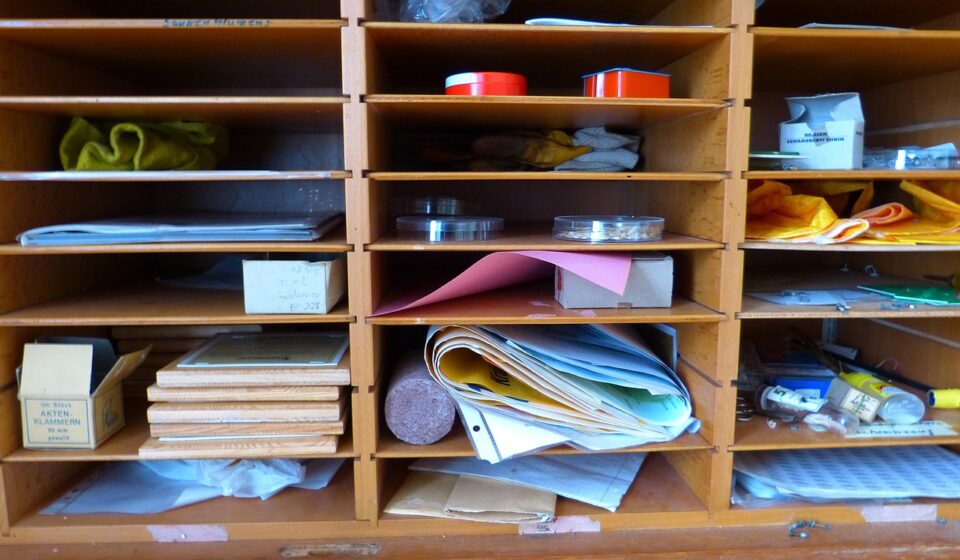
A storage drawer cabinet is useful in chemical equipment work areas only when it is selected for the actual items being stored, not just for the floor space available. In the right application, it keeps fittings, tools, spare parts, sampling accessories, gaskets, small instruments and maintenance consumables organized near the point of use. It should also support safe handling, clear labeling, stable storage and straightforward inspection.
That does not mean every drawer cabinet is suitable for chemical storage. Hazardous chemicals, flammable liquids, corrosives and pressurized containers may require approved cabinets, compatible containment, ventilation decisions and written procedures based on safety data sheets and local rules.

Define the storage job before choosing the cabinet
The first decision is not cabinet size. It is the storage job. In chemical equipment areas, a drawer cabinet may be placed beside reactors, filtration units, pumps, dosing systems, packaging lines, maintenance benches or laboratory support spaces. Each location has its own access pattern, contamination risk and housekeeping requirements.
Start by listing what will go inside the drawers. Typical candidates include:
- Small mechanical parts such as fasteners, seals, gaskets, clamps, nozzles and fittings.
- Maintenance tools that need to stay clean, dry and easy to find.
- Instrument accessories, probes, adapters, calibration items and small replacement components.
- Sampling tools, clean containers, labels and nonhazardous consumables.
- Documents, inspection forms or operating accessories used near the equipment.
This inventory step prevents a common purchasing error: selecting a cabinet that looks suitable but does not match the shape, weight or sensitivity of the contents. A drawer intended for light stationery is very different from one expected to carry metal tooling, valves or heavy spare parts. If the contents include chemicals, the decision should move from general storage planning to chemical compatibility and regulatory review.
For broader planning ideas across industrial storage layouts, readers can also review the site’s storage systems category.
Safety limits that affect drawer storage
Storage furniture in chemical work areas should support safety procedures, not work around them. OSHA’s general material handling rule for workplaces states that stored material must not create a hazard, and materials stored in tiers must be stable and secure against sliding or collapse. For a drawer cabinet, the practical meaning is direct: drawers should not be overloaded, unstable, jammed, spilling into aisles or used to hide unsafe materials from inspection.
Hazard communication is another limit. OSHA’s Hazard Communication Standard requires hazard information to be communicated through labels, safety data sheets, training and related systems for hazardous chemicals. If a drawer holds containers of hazardous materials, labels must remain accurate and legible, and workers must be able to identify the contents without guessing. A drawer full of unlabeled bottles, wipes or sample vials creates more risk than it removes.
Flammable liquids need special caution. OSHA’s flammable liquids requirements include defined storage cabinet limits for certain categories of flammable liquids. A general-purpose storage drawer cabinet should not be treated as a flammable liquid safety cabinet unless it is specifically designed, rated and used for that purpose. The same principle applies to corrosives, oxidizers, compressed gas cylinders and incompatible chemicals. A convenient drawer is not a substitute for proper segregation.
Match materials and finishes to the work environment
Chemical equipment areas can expose storage furniture to moisture, cleaning agents, dust, powders, oil, process residues and occasional splashes. The cabinet body, drawer fronts, handles, slides and internal dividers should be selected with those exposures in mind.
Powder-coated steel is common for industrial drawer cabinets because it provides strength and a durable surface for many dry storage applications. Stainless steel may be considered where hygiene, washdown practices or corrosion resistance are major concerns. Plastic bins or polymer drawer inserts can help separate small items and reduce noise, but they should be checked for compatibility with oils, solvents or cleaning agents that may be present in the area.
Do not assume that a corrosion-resistant finish makes a cabinet suitable for storing every chemical. Chemical resistance depends on the specific substance, concentration, temperature, contact time and cleaning method. For example, a finish that tolerates ordinary humidity may not tolerate acid residue or solvent exposure. If chemicals may contact the cabinet, review the safety data sheet and the cabinet manufacturer’s material information before use.
Drawer design details that matter in daily operation
A storage drawer cabinet is opened and closed repeatedly throughout a shift. Small design details can therefore affect both productivity and safety, especially where several workers share the same storage point.
Load rating and weight distribution
Each drawer should have a stated load rating. Heavy spare parts should be assigned to lower drawers to reduce tipping risk and improve manual handling. A cabinet used for metal parts, tooling or mechanical components may require heavier-duty slides and reinforced drawer construction than a cabinet used only for labels, gloves or light consumables.
Full-extension access
Full-extension drawers allow workers to see and reach items at the back of the drawer. This reduces the need to dig through mixed contents and helps prevent duplicate inventory. In maintenance areas, it can also reduce time spent searching for small parts during equipment downtime.
Anti-tip and drawer stops
Anti-tip features help reduce the chance that several loaded drawers will be opened at once and shift the cabinet’s center of gravity forward. Drawer stops help prevent accidental removal or overextension. These features are especially useful where cabinets are placed in busy aisles or shared by multiple workers.
Internal organization
Dividers, bins and labeled compartments turn a cabinet from a box into a working storage system. They help separate clean and used tools, isolate small parts by size and make missing items easier to notice. For chemical equipment maintenance, separation can also reduce the chance of mixing incompatible spare parts or contaminating clean components.
Plan the cabinet location around workflow and access
A cabinet that is well built can still perform poorly if it is installed in the wrong place. The best position is usually close enough to the task to reduce unnecessary walking, but not so close that open drawers block movement, emergency access or equipment panels. See also: Pumps and Valves.
NIOSH ergonomics guidance emphasizes reducing unnecessary manual lifting and improving workplace layout for material handling. Applied to drawer cabinets, this means placing frequently used and moderately heavy items between about knee and shoulder height where possible, keeping the heaviest items low, and avoiding storage that forces workers to twist, reach across equipment or lift awkwardly.
Consider the following placement questions before installation:
- Will an open drawer narrow an aisle or interfere with carts, forklifts or emergency movement?
- Can workers access the cabinet while wearing gloves or other required personal protective equipment?
- Is the cabinet near heat, ignition sources, drains, washdown zones or process spray?
- Can supervisors inspect labels, contents and condition without unloading the cabinet?
- Does the cabinet location support first-in, first-out use for consumables with shelf-life limits?
Location planning is also a housekeeping issue. A drawer cabinet should reduce loose items on benches and floors. If it becomes an overflow point for unidentified parts, expired supplies or unlabeled containers, the storage system needs to be redesigned rather than simply expanded.
Selection checklist for chemical equipment work areas
| Selection factor | What to check | Why it matters |
|---|---|---|
| Stored contents | List parts, tools, documents, consumables and any containers before choosing a model. | Prevents using a general drawer cabinet for materials that require special storage. |
| Load capacity | Confirm the load rating for each drawer and the total cabinet capacity. | Reduces risk of slide failure, drawer sagging and unstable storage. |
| Material compatibility | Compare cabinet materials with expected moisture, cleaning agents and possible residues. | Helps avoid corrosion, coating failure and contamination. |
| Labeling | Use drawer labels, bin labels and clear item identification. | Supports hazard communication, inventory control and faster retrieval. |
| Drawer access | Consider full-extension slides, stops and smooth handles. | Improves visibility and reduces awkward reaching. |
| Stability | Check anti-tip features, anchoring needs and heavy-item placement. | Helps prevent tipping and collapse hazards. |
| Inspection | Make contents easy to audit and remove obsolete items on a schedule. | Prevents drawers from becoming hidden waste or mixed-material storage. |
Common mistakes to avoid
One common mistake is using drawer count as the main selection criterion. More drawers do not always mean better organization. Too many shallow drawers can encourage over-sorting, while too few deep drawers can create mixed piles that are difficult to inspect. Drawer depth should match the actual items being stored.
Another mistake is ignoring cleaning and spill response. Even when the cabinet is not intended for chemical storage, chemical equipment areas can still involve residues and contamination. Smooth surfaces, removable bins and accessible drawer interiors can make cleaning easier. If a drawer may hold items that become contaminated during work, a procedure should define how those items are cleaned, segregated or discarded.
A third mistake is treating locks as the only control. Locks can limit access, but they do not solve compatibility, labeling or overload problems. A locked cabinet containing unidentified or incompatible items remains a storage risk. Access control should be paired with clear ownership, inspection schedules and item lists.
Finally, avoid placing a cabinet where it blocks panels, valves, eyewash routes, extinguishers, exits or maintenance access. Storage should support the process, not compete with safety systems or equipment service needs.
Inspection and maintenance practices
After installation, include the cabinet in routine housekeeping. The inspection does not need to be complicated, but it should be consistent. Check for overloaded drawers, damaged slides, unreadable labels, corrosion, spills, missing dividers and items that do not belong in the cabinet. If workers regularly add temporary items, the cabinet may need better labels or a dedicated quarantine area for unknown parts.
Review the contents whenever equipment changes, maintenance procedures change or new chemicals are introduced nearby. A storage drawer cabinet that worked well for one production setup may be unsuitable after a process modification. The goal is to keep the storage system aligned with real work instead of letting it become a fixed piece of furniture that no one questions.
Frequently asked questions
Can a storage drawer cabinet be used for chemicals?
It depends on the chemical, quantity, container type and applicable requirements. A general-purpose drawer cabinet may be suitable for nonhazardous supplies or empty clean containers, but it should not be assumed suitable for flammable liquids, corrosives, oxidizers or other hazardous substances. Review the safety data sheet and applicable workplace rules before storing any chemical in drawers.
What is the safest place for heavy items?
Heavy items should usually be stored in lower drawers to improve stability and reduce lifting height. Frequently used heavy items should be positioned to minimize bending, twisting and awkward handling. Drawer load ratings should always be checked before assigning heavy spare parts or tools.
Should every drawer be labeled?
Yes, drawer labeling is strongly recommended. Labels reduce search time, support inspections and make it easier to notice missing or misplaced items. If the drawer contains any regulated or hazardous material, labeling must also align with the workplace hazard communication system.
Is stainless steel always better than painted steel?
No. Stainless steel can be valuable in wet, hygienic or corrosive environments, but it is not automatically necessary for every chemical equipment area. Painted or powder-coated steel may be appropriate for dry storage of tools and parts. The better choice depends on exposure conditions, cleaning methods, load requirements and budget.
How often should a cabinet be inspected?
The interval should match the risk and frequency of use. A cabinet used daily in a chemical equipment area may need quick visual checks during housekeeping and a more detailed review on a scheduled basis. Any spill, process change or storage change should trigger an immediate review.