Chemistry laboratory equipment list for safe and practical lab planning
A practical chemistry laboratory equipment list should describe what the lab needs to do, not only what it needs to buy. Each item should support a defined activity: measuring, mixing, heating, separating, storing, controlling exposure, or documenting results. A teaching lab, a quality control lab, and a small synthesis lab may all use beakers and balances, but their requirements for analytical instruments, ventilation, waste handling, and measurement precision can be very different. Build the list around workflow and hazard profile, then check it against the chemical hygiene plan, standard operating procedures, and local requirements. OSHA’s laboratory standard requires covered employers to address procedures, protective equipment, engineering controls, and the proper operation of fume hoods and related protective equipment. (osha.gov)
For more equipment planning topics across industrial and laboratory operations, see the Process Equipment section.
What belongs on a chemistry laboratory equipment list
A useful list starts with functions rather than brand names. Most chemistry laboratories need equipment for containment, volume measurement, mass measurement, reaction setup, heating and cooling, separation, analysis, cleaning, storage, and emergency response. Purdue University’s general chemistry laboratory resources, for example, identify common equipment such as analytical balances, burets, pH meters, and Erlenmeyer flasks. That mix shows why a complete list usually includes glassware, measuring tools, and basic instruments, not just one category of supplies. (chemed.chem.purdue.edu)
The exact scope depends on the laboratory type. A school or undergraduate teaching lab usually emphasizes durable glassware, shared balances, hot plates, titration tools, safety showers, eyewash stations, and clear storage. A quality control lab may need calibrated balances, pH meters, moisture analysis, sample preparation tools, and defined documentation practices. A research or process-development lab may add rotary evaporators, vacuum pumps, condensers, controlled-temperature baths, Schlenk lines, glove boxes, or specialized instruments. A list that is accurate for one setting can be incomplete for another.
The practical goal is not to buy every possible item. It is to match equipment to the procedures that will actually be performed and to identify which items need calibration, inspection, training, ventilation, chemical compatibility checks, or preventive maintenance.
Core chemistry lab equipment by function
The table below organizes common chemistry laboratory equipment into functional groups. It is a planning framework, not a universal procurement specification. Before purchase or installation, each item should be checked against the intended chemicals, temperature range, pressure or vacuum conditions, sample volume, cleaning method, and safety controls.
| Function | Common equipment | Typical use | Planning notes |
|---|---|---|---|
| Holding and mixing | Beakers, Erlenmeyer flasks, test tubes, reagent bottles, watch glasses | Temporary holding, mixing, small reactions, sample handling | Select material and capacity based on chemical compatibility and expected volume |
| Accurate volume work | Volumetric flasks, pipettes, burets, graduated cylinders | Solution preparation, dilution, titration, volume transfer | Use volumetric glassware when accuracy matters; record tolerance class when needed |
| Mass measurement | Analytical balance, top-loading balance, weighing boats, spatulas | Weighing reagents, samples, standards, residues | Consider readability, calibration schedule, draft protection, and location stability |
| Heating and cooling | Hot plates, heating mantles, water baths, oil baths, ice baths, temperature probes | Controlled heating, evaporation, reflux support, crystallization | Match temperature range and vessel shape; avoid open flames around flammable solvents |
| Separation | Funnels, filter paper, Büchner funnels, vacuum flasks, centrifuges, separatory funnels | Filtration, phase separation, sediment separation, sample cleanup | Check vacuum rating, splash control, and waste stream compatibility |
| Reaction setup | Round-bottom flasks, condensers, clamps, stands, stir plates, stir bars | Reflux, synthesis, distillation, controlled stirring | Use proper joint sizes, secure supports, and suitable cooling water or coolant arrangements |
| Basic analysis | pH meter, conductivity meter, thermometer, melting point apparatus, spectrophotometer where required | Routine checks, identification support, quality control measurements | Plan calibration standards, electrodes, cuvettes, and maintenance parts |
| Safety and containment | Chemical fume hood, PPE, safety shower, eyewash, spill kit, fire extinguisher, chemical storage cabinets | Exposure control, emergency response, compliant storage | Do not treat safety equipment as optional accessories; include inspection and training requirements |
Glassware and plasticware for routine bench work
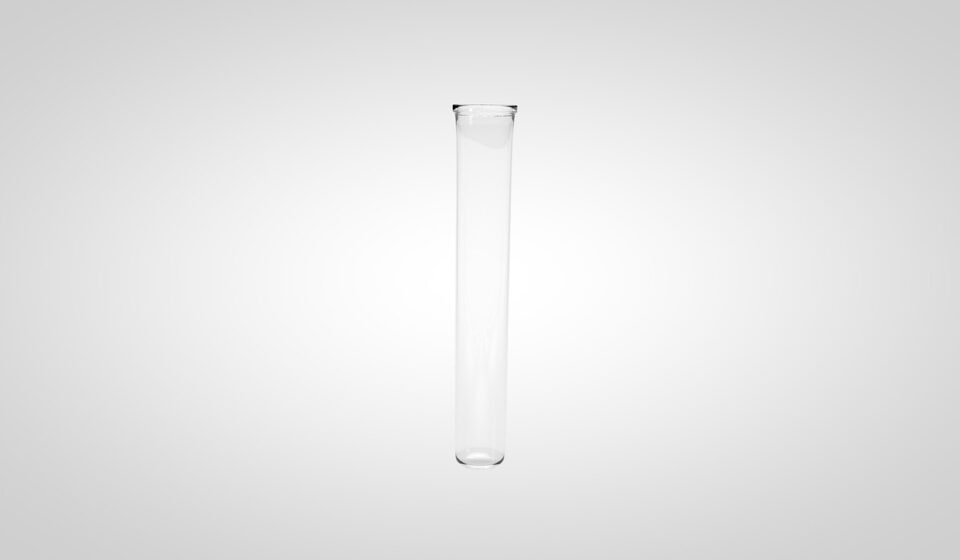
Glassware is often the most visible part of a chemistry lab, but it still needs to be specified carefully. Beakers are general-purpose containers for mixing and temporary holding. Erlenmeyer flasks reduce splashing during swirling and are common in titration work. Volumetric flasks are used when a solution must be prepared to a defined volume. Pipettes and burets support accurate liquid transfer, while graduated cylinders are suitable for approximate measurements. Test tubes, vials, reagent bottles, funnels, and watch glasses complete many routine setups.
Material selection matters. Borosilicate glass is common because it offers good thermal and chemical resistance for many laboratory uses, but it is not suitable for every chemical or mechanical condition. Plastic containers may be appropriate for some aqueous solutions, disposable sampling, or impact-resistant handling, but solvents, acids, bases, and temperature can limit polymer compatibility. PTFE, polypropylene, polyethylene, and other plastics behave differently, so the list should not simply say plastic bottle without specifying the material and intended use.
Procurement teams should also define capacity, graduations, stopper or cap type, joint size, tolerance class where relevant, packaging, cleaning requirements, and whether certificates or calibration records are needed. A volumetric flask used to prepare standards is a different procurement item from a beaker used only for rinsing or rough mixing.
Measurement and analytical equipment
Measurement equipment affects how reliable the lab’s results can be. At minimum, many chemistry labs need one or more balances, thermometers or temperature probes, pH measurement capability, timers, and appropriate volume-measuring tools. Laboratories that generate reportable quality data may also need documented calibration, performance checks, controlled environments, and written procedures for each instrument.
Balance selection should begin with readability and capacity. An analytical balance is useful for smaller quantities requiring fine resolution, while a top-loading balance is suitable for larger or less critical weighing tasks. The balance location is also part of the equipment plan. Vibration, air currents, heat, static, and bench stability can affect results. Draft shields, anti-static tools, weighing boats, weigh paper, spatulas, and cleaning brushes should be included because they support correct daily use.
For pH measurement, the meter is only one part of the system. Electrodes, calibration buffers, storage solution, temperature compensation, sample cups, and cleaning procedures are necessary for dependable measurements. Conductivity meters, refractometers, moisture analyzers, spectrophotometers, chromatography systems, or titrators may be added depending on the laboratory’s technical scope. Each additional instrument brings consumables, software, maintenance, and training requirements.
Heating, reaction, and separation equipment
Heating equipment should be selected by temperature range, vessel type, chemical hazard, and control accuracy. Hot plates and stirrer-hot plates are common in many laboratories, but they may not be appropriate for every flammable, corrosive, or pressure-generating process. Heating mantles are useful with round-bottom flasks. Water baths and oil baths can provide more even heating, while chillers, ice baths, and recirculating coolers support cooling and condensation.
Reaction setups often require clamps, stands, rings, bosses, lab jacks, stir bars, condensers, tubing, adapters, thermometers, and safe routing of hoses and cables. These support items are easy to undercount, yet a poorly supported condenser or flask can create a greater hazard than the main piece of equipment. For distillation, reflux, or vacuum filtration, the list should include compatible glassware, splash protection, trap arrangements, vacuum-rated components, and clear startup and shutdown procedures.
Separation equipment includes funnels, filter holders, vacuum flasks, Büchner funnels, separatory funnels, centrifuges, and sometimes evaporators. Rotary evaporators and vacuum pumps are common in synthesis and sample preparation labs, but they require attention to solvent recovery, cold traps, pump compatibility, ventilation, and maintenance. If volatile solvents are used, review the equipment list together with ventilation and waste handling instead of treating it as a simple bench purchase.
Safety equipment, ventilation, and storage
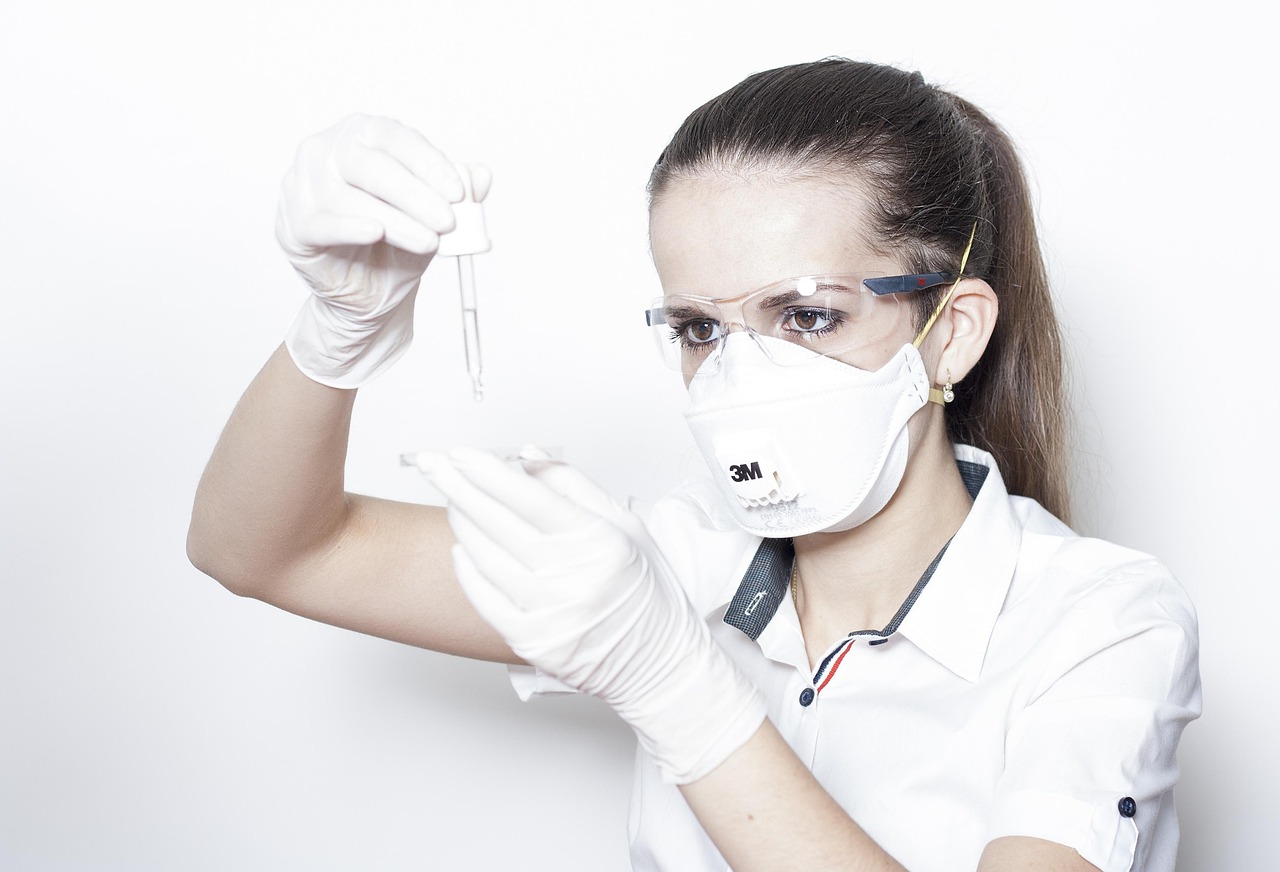
No chemistry laboratory equipment list is complete without safety and containment equipment. The basic set usually includes splash goggles or suitable eye protection, lab coats or protective clothing, compatible gloves, emergency eyewash, safety shower access, spill response materials, first aid supplies, appropriate fire extinguishers, and clear chemical labeling. PPE does not replace engineering controls, but it is part of the layered control strategy described in many laboratory safety references, including resources from the American Chemical Society. (acs.org) See also: Storage Systems.
Chemical fume hoods require special attention because they are installed systems, not ordinary furniture. OSHA references the need for fume hoods and other protective equipment to function properly when required under a chemical hygiene plan. (osha.gov) Hood planning and routine checks should also consider operating conditions such as face velocity, sash position, work practices, and the chemicals being handled.
Storage should be planned by hazard class and compatibility. A lab may need flammable storage cabinets, corrosive cabinets, acid-resistant trays, secondary containment, desiccators, refrigerator or freezer storage approved for the intended chemicals, gas cylinder restraints, and labeled waste containers. General shelving is not a substitute for compatible chemical storage. The equipment list should also include waste funnels, labels, satellite accumulation containers where applicable, broken-glass containers, and sharps containers if the procedures create those waste streams.
Procurement checklist for a practical lab setup
After the equipment categories are defined, procurement should turn the list into specifications. Item names alone are not enough. A useful request should state the intended use, material, capacity, accuracy or tolerance, temperature and pressure limits, chemical compatibility, accessories, documentation, and acceptance criteria. For instruments, the specification should also include calibration needs, consumables, installation requirements, training, service access, and data handling.
- Define the workflow: list experiments, sample types, expected volumes, hazards, and required measurements.
- Separate essential from optional items: prioritize safety controls, measuring equipment, and core glassware before specialized instruments.
- Check compatibility: review chemicals, solvents, temperature, pressure, vacuum, cleaning agents, and waste streams.
- Plan utilities: confirm power, water, drainage, compressed gases, ventilation, bench strength, and space around equipment.
- Include consumables: filters, gloves, labels, buffers, standards, tubing, vials, stir bars, weighing supplies, and cleaning materials.
- Record maintenance needs: note inspection frequency, calibration intervals, spare parts, and responsible personnel.
- Verify safety documentation: align the list with the chemical hygiene plan, standard operating procedures, safety data sheets, and training records.
This is where an equipment list becomes a usable operating document. It helps prevent missing small accessories, buying impressive but unnecessary instruments, or installing equipment that the facility cannot safely support.
Common mistakes when building a lab equipment list
One common mistake is copying a generic list without considering the lab’s actual chemistry. A list that works for acid-base titration classes may not support solvent extraction, polymer testing, electrochemistry, or air-sensitive synthesis. Another mistake is separating safety equipment from scientific equipment. In real laboratory planning, fume hoods, storage cabinets, spill kits, eyewash access, and waste containers are as essential as flasks and balances.
A third mistake is ignoring documentation. If a balance, pH meter, pipette, or thermometer supports regulated or customer-facing results, calibration records and procedures may be as important as the device itself. A fourth mistake is overlooking installation constraints. Ventilation, electrical load, floor space, water supply, drainage, gas cylinder storage, and emergency access can determine whether equipment is practical.
The best list is specific, reviewable, and easy to update. It should be written so a lab manager, safety officer, buyer, and technician can all use it without guessing what each item is meant to do.
Frequently asked questions
What is the basic chemistry laboratory equipment list for beginners?
A beginner list usually includes beakers, Erlenmeyer flasks, test tubes, graduated cylinders, pipettes, a buret for titration, funnels, reagent bottles, a balance, thermometer, hot plate or heating source, stir rods or stir bars, stands and clamps, goggles, gloves, lab coats, spill materials, and access to eyewash and safety shower equipment. The exact list should match the experiments being performed.
Which chemistry lab equipment is used for accurate measurement?
Balances measure mass, while volumetric flasks, pipettes, and burets are used when liquid volume accuracy is important. pH meters, thermometers, conductivity meters, and other analytical instruments measure chemical or physical properties. Graduated cylinders and beakers can be useful, but they are generally not chosen for the most accurate volume work.
Is a fume hood required in every chemistry laboratory?
Not every room labeled as a chemistry lab has identical requirements, but any lab working with hazardous vapors, fumes, dusts, volatile solvents, or reactive chemicals should evaluate whether a chemical fume hood or other local exhaust ventilation is needed. The decision should be based on the chemical hygiene plan, risk assessment, procedures, and applicable regulations.
How should a lab equipment list be organized for purchasing?
Organize the list by function, then add specifications. For each item, include capacity, material, accuracy, chemical compatibility, operating limits, accessories, documentation, and quantity. For instruments and installed equipment, also include utility needs, calibration, maintenance, and training requirements.
What equipment is often forgotten in chemistry lab planning?
Small support items are often missed: clamps, lab jacks, tubing, adapters, labels, secondary containment trays, waste containers, calibration buffers, cleaning brushes, spare electrodes, stir bars, filter paper, and spill response supplies. These items are inexpensive compared with major instruments but can determine whether daily work is safe and efficient.