How to select chemical equipment for safer and more reliable process operations
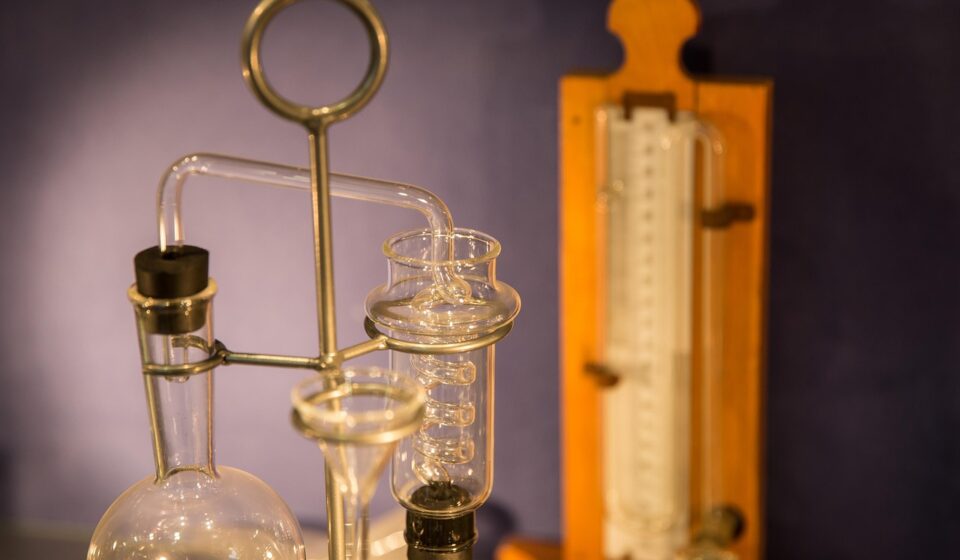
Selecting chemical equipment starts with a practical question: can the equipment safely contain, move, mix, separate, heat, cool, or store the intended chemicals throughout its operating life? Capacity and purchase price matter, but they are only part of the decision. Engineers and plant teams also need to evaluate process conditions, corrosion risk, pressure boundaries, cleaning requirements, inspection access, control strategy, and applicable codes before the purchase specification is finalized. This article reviews the main equipment categories, selection criteria, safety standards, and lifecycle checks that help process plants reduce downtime and avoid under-specified assets. For related industry updates, visit the Process Equipment section.
What chemical equipment includes in a process plant
Chemical equipment is a broad term for the vessels, machinery, piping-connected systems, and auxiliary units used to convert raw materials into intermediate or finished products. In a chemical plant, refinery, pharmaceutical facility, coating line, water treatment unit, or battery materials plant, equipment choices affect throughput, product quality, energy use, operator exposure, and environmental control.
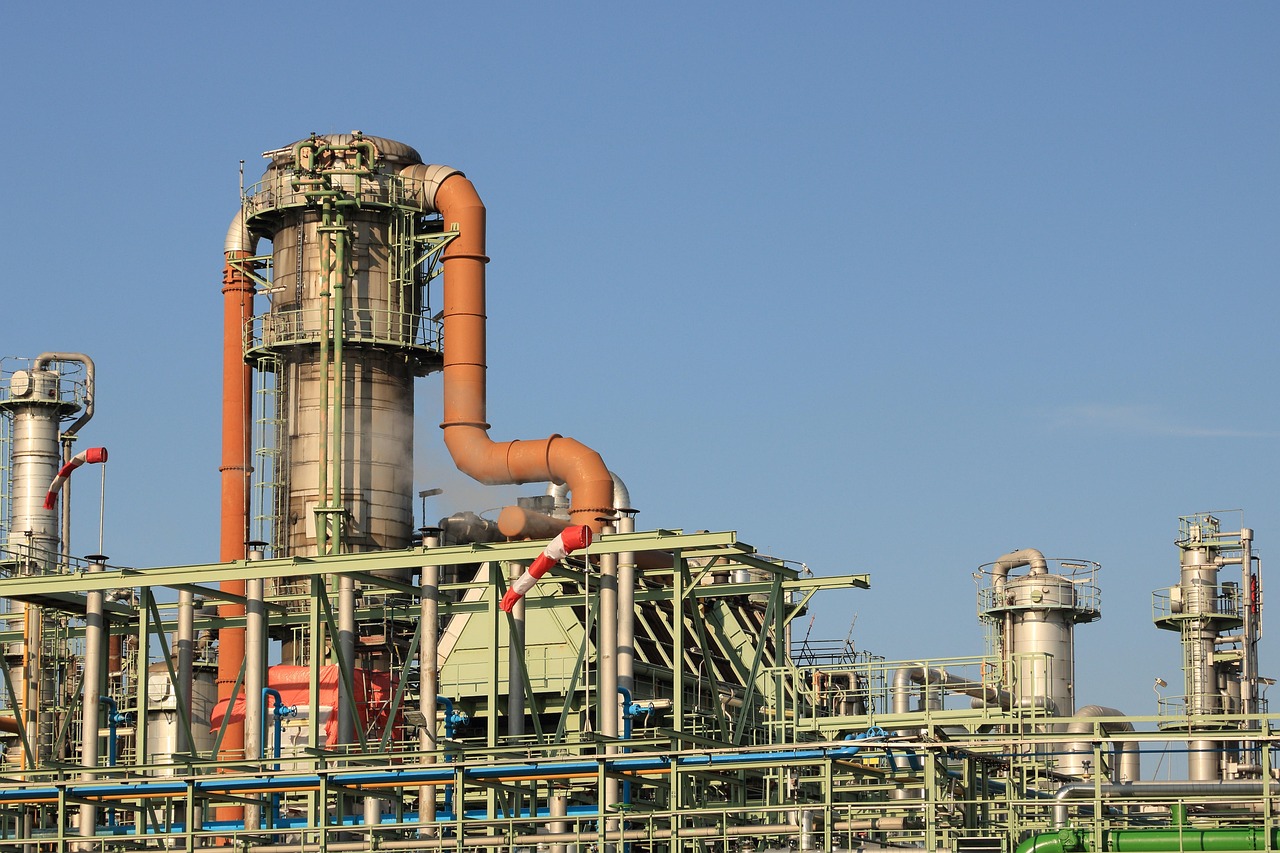
The most common categories include:
- Storage and pressure vessels: tanks, reactors, receivers, columns, drums, autoclaves, and other containers designed for atmospheric, vacuum, or pressure service.
- Reaction equipment: stirred tank reactors, fixed-bed reactors, tubular reactors, polymerization vessels, and catalytic systems.
- Heat transfer equipment: shell-and-tube heat exchangers, plate heat exchangers, condensers, reboilers, evaporators, heaters, and cooling systems.
- Mass transfer and separation equipment: distillation columns, absorbers, extractors, filters, centrifuges, dryers, crystallizers, membranes, and decanters.
- Fluid handling equipment: pumps, compressors, blowers, vacuum systems, valves, pipework, hose assemblies, seals, and relief systems.
- Solids handling equipment: feeders, conveyors, mills, mixers, screens, granulators, and dust collection systems.
- Control and protection systems: instruments, analyzers, safety instrumented functions, alarms, interlocks, emergency shutdown systems, and data historians.
Because these systems are connected, a weak selection in one area can create problems elsewhere. A pump may be chemically compatible with the liquid but still cavitate if it is poorly matched to suction conditions. A reactor may have enough volume but insufficient heat removal, creating quality or safety risks. A vessel may be code-stamped but difficult to inspect, increasing long-term mechanical integrity costs.
Start with the process duty, not the equipment catalogue
The strongest specifications begin with the process duty. Before comparing equipment models, define what the unit must do during normal operation, startup, shutdown, cleaning, upset conditions, and emergencies. The basis should include flow rate, residence time, mixing intensity, heat duty, allowable pressure drop, vapor generation, solids content, viscosity range, particle size, batch cycle, and product quality requirements.
Operating envelopes are as important as design points. Chemical processes rarely remain at one temperature, pressure, or composition. Feedstock variation, catalyst aging, seasonal cooling-water changes, batch-to-batch differences, and fouling can all move real conditions away from the original basis. A good specification identifies minimum, normal, maximum, and credible abnormal cases so that the mechanical design and controls are not built around a single optimistic value.
Interfaces should also be identified early. Equipment selection affects utilities, foundations, pipe routing, electrical classification, ventilation, drainage, sampling, access platforms, lifting plans, and automation. A larger heat exchanger, for example, may reduce fouling sensitivity but require heavier supports and more maintenance space. A high-speed mixer may improve dispersion while increasing seal loads, motor size, noise, and heat input. These trade-offs are much easier to resolve before purchase orders are issued.
Material compatibility and corrosion control are critical
Material selection is one of the most important decisions in chemical equipment design. A material that performs well in water service may fail quickly when exposed to chlorides, strong acids, caustic solutions, oxidizers, solvents, wet gases, or elevated temperatures. The right choice depends on chemistry, concentration, impurities, oxygen content, pH, temperature, velocity, erosion potential, cleaning agents, and the possibility of stagnant zones.
Common materials include carbon steel, stainless steels, duplex stainless steels, nickel alloys, titanium, glass-lined steel, polymers, fluoropolymer linings, rubber linings, ceramics, and composites. No material is universally suitable. Stainless steel can suffer chloride stress corrosion cracking under certain conditions. Carbon steel may be economical, but it can be unsuitable for aggressive corrosion without lining or chemical inhibition. Glass-lined reactors can resist many corrosive chemicals, but they must be protected from impact, thermal shock, and improper agitation loads.
A practical corrosion review should cover:
- Expected corrosion rate and required corrosion allowance.
- Localized risks such as pitting, crevice corrosion, galvanic attack, and stress corrosion cracking.
- Compatibility with cleaning, sterilization, or passivation chemicals.
- Effect of solids, entrained gas, or high velocity on erosion-corrosion.
- Inspection methods that can verify wall thickness, lining condition, or coating integrity.
- Repair feasibility if corrosion is found during service.
Material decisions should be documented because future operators and maintenance teams need to understand the assumptions behind the original design. If the process chemistry changes, even slightly, those assumptions should be reviewed before the equipment is reused or modified.
Codes, standards, and regulatory duties shape equipment choices
Chemical equipment is often governed by a mix of laws, recognized engineering codes, owner standards, and insurance requirements. The exact obligations depend on the country, state, process hazards, pressure rating, chemicals handled, and facility type. Even when a standard is not directly mandated by law, it may define accepted practice for design, fabrication, inspection, or maintenance.
In the United States, OSHA’s Process Safety Management standard, 29 CFR 1910.119, applies to covered processes involving highly hazardous chemicals above threshold quantities. The standard treats process safety information and mechanical integrity as core requirements, including information related to the equipment in the process. EPA’s Risk Management Program rule under 40 CFR Part 68 applies to certain facilities with regulated substances. EPA’s 2024 Risk Management Program final rule became effective on May 10, 2024, while EPA also published a proposed revision on February 24, 2026. Facilities should verify the current status before relying on any regulatory summary.
For pressure equipment, ASME Boiler and Pressure Vessel Code requirements are widely used for design and construction, and ASME announced the 2025 edition of the code. For in-service pressure vessel inspection, API 510 is commonly referenced in process industries. API 570 is used for process piping inspection programs, while API 653 is used for aboveground storage tanks. These documents do not replace local law, but they often provide the technical framework for inspection intervals, repairs, alterations, and fitness-for-service decisions.
Electrical and control-related choices may also be affected by hazardous area classification, functional safety standards, machine guarding rules, and cybersecurity expectations. For that reason, a pump skid, reactor package, or filtration system should be reviewed as an integrated system, not only as a collection of mechanical parts.
How to compare equipment options beyond purchase price
Purchase price is easy to compare, but it rarely shows the true cost of chemical equipment. A lower-cost unit may consume more energy, foul faster, require frequent seal replacement, depend on special spare parts, or cause expensive downtime during cleaning. A higher-priced unit may be justified if it improves uptime, reduces solvent loss, simplifies inspection, or avoids product contamination.
A useful comparison includes both technical and lifecycle criteria: See also: Storage Systems.
| Selection factor | Why it matters | Questions to ask |
|---|---|---|
| Capacity and turndown | Determines whether the equipment can handle current and future production rates. | Can it operate safely and efficiently at minimum, normal, and maximum load? |
| Pressure and temperature rating | Defines the safe operating envelope and relief design basis. | Are startup, cleaning, blocked-in, and upset conditions included? |
| Materials of construction | Controls corrosion resistance, contamination risk, and repair options. | Have process impurities and cleaning chemicals been considered? |
| Maintainability | Affects downtime, labor hours, and safety exposure. | Can seals, internals, filters, tubes, or liners be accessed without major dismantling? |
| Instrumentation | Supports control, alarms, diagnostics, and traceability. | Are measurements located where they reflect actual process risk? |
| Vendor documentation | Enables inspection, maintenance, and regulatory records. | Are drawings, certificates, manuals, test records, and spare parts lists complete? |
When options look similar, the deciding factor is often uncertainty. If a process is corrosive, sticky, abrasive, foaming, heat-sensitive, or scale-forming, proven references in a similar duty may be more valuable than a small capital saving. If operating data are limited, pilot testing or conservative design margins may reduce risk, but those choices should be made deliberately rather than added as vague safety factors.
Mechanical integrity should be planned before startup
Mechanical integrity is not only a maintenance activity after equipment has been installed. It begins during specification and procurement. The design should allow inspection, testing, cleaning, isolation, draining, venting, lifting, and safe access. If inspectors cannot reach critical welds, operators cannot verify a level, or maintenance teams cannot remove a fouled bundle, reliability problems are built into the asset from the beginning.
A sound mechanical integrity plan normally includes an equipment register, criticality ranking, inspection methods, inspection intervals, acceptance criteria, test records, spare parts strategy, and procedures for correcting deficiencies. For pressure equipment, inspection planning may include visual inspection, ultrasonic thickness measurement, radiography, pressure testing, leak testing, corrosion monitoring, and relief device testing. For rotating equipment, vibration analysis, oil analysis, seal monitoring, temperature checks, and performance trending can help identify early degradation.
Management of change is equally important. Replacing a gasket material, increasing batch temperature, changing a cleaning solvent, modifying an impeller, bypassing an interlock, or adding a new feed line can alter the risk profile. In covered high-hazard processes, formal review may be required. Even outside regulated settings, disciplined change control helps prevent well-intended modifications from undermining the original design basis.
Digital monitoring can improve reliability, but it does not replace engineering review
Modern chemical equipment increasingly includes sensors, connected drives, smart valves, online analyzers, and condition monitoring systems. These tools can help operators detect fouling, abnormal vibration, pump cavitation, heat transfer decline, filter blinding, pressure deviations, or control instability earlier than manual rounds alone. They can also support maintenance planning by turning operating history into usable trend data.
Digital monitoring is most valuable when the measured variables are tied to real failure modes. Adding sensors without defining alarm limits, response procedures, calibration requirements, data ownership, and cybersecurity controls can create complexity without improving safety. A temperature trend across a heat exchanger is useful only if the team understands what approach temperature indicates fouling, what cleaning action is required, and how production should respond.
The best approach is to combine practical instrumentation with process knowledge. Critical equipment should have measurements that reveal loss of containment risk, loss of control, product quality drift, or mechanical degradation. Noncritical equipment may need simpler monitoring. The goal is not maximum data collection; it is better decisions.
A practical checklist for specifying chemical equipment
Before issuing a request for quotation or approving a purchase, teams can reduce risk by confirming the following points:
- Define the process basis. Include composition, impurities, flow rate, pressure, temperature, phase behavior, viscosity, solids content, and expected variability.
- Identify credible abnormal conditions. Consider blocked flow, utility failure, overfilling, vacuum, thermal expansion, runaway potential, and cleaning conditions.
- Select materials using documented compatibility evidence. Include corrosion allowance, lining requirements, welding limitations, and contamination concerns.
- Confirm applicable codes and jurisdictional requirements. Pressure equipment, electrical systems, emissions controls, and high-hazard processes may trigger different obligations.
- Review safety and relief requirements. Ensure pressure relief, venting, containment, grounding, emergency isolation, and operator protection are addressed.
- Assess maintainability. Check access, lifting, isolation valves, drains, vents, spare parts, and cleaning methods.
- Specify documentation. Require drawings, data sheets, inspection records, material certificates, test reports, operating manuals, and recommended maintenance plans.
- Plan startup and acceptance testing. Define factory tests, site checks, calibration, leak testing, performance testing, and operator training needs.
This checklist is not a substitute for detailed engineering, but it helps prevent common gaps between process requirements and purchased equipment. For industry readers comparing equipment types and process applications, the Process Equipment archive provides a useful starting point for related topics.
Frequently asked questions
What is the most important factor when selecting chemical equipment?
The most important factor is fitness for the actual process duty. Capacity matters, but the equipment must also withstand the chemical environment, pressure, temperature, cleaning method, operating variability, and credible upset conditions. A unit that is correctly sized but incompatible with the chemistry is still a poor selection.
How is chemical equipment different from general industrial equipment?
Chemical equipment often handles hazardous, corrosive, flammable, toxic, reactive, or high-purity materials. That means containment, material compatibility, pressure protection, cleaning, inspection, and control systems usually require more rigorous review than ordinary utility or material-handling equipment.
Do all chemical plants need ASME or API standards?
No single standard applies to every plant or every item of equipment. ASME and API documents are widely used for pressure equipment and inspection practices, but applicability depends on equipment type, jurisdiction, owner requirements, and service conditions. The correct approach is to identify legal requirements first, then apply recognized engineering standards where relevant.
Why should maintenance access be considered during equipment selection?
Maintenance access affects downtime, worker safety, and inspection quality. If tubes, seals, filters, agitators, instruments, or relief devices are difficult to reach, routine work becomes slower and riskier. Good access also makes it easier to detect early signs of corrosion, fouling, leakage, or mechanical wear.
Can digital monitoring prevent equipment failures?
Digital monitoring can reduce the likelihood of unexpected failures by identifying abnormal trends earlier, but it cannot eliminate failure risk by itself. Sensors must be selected for known failure modes, maintained properly, and connected to clear operating and maintenance actions.